Featured Cycling Accessories & High-Turnover Spares
Consolidate your bicycle mirrors, front lighting systems, chassis assemblies, and workshop tools under one vetted, TÜV Rheinland onsite-assessed manufacturing account.
Charlotte's Urban Transit Shift: Why Rearview Optical Clarity is Essential for Modern Cycling
The cycling landscape across the Charlotte metropolitan region—stretching from the bustling commercial density of Uptown and South End through the residential arteries of Dilworth, NoDa, and University City—is undergoing a profound transformation. As Mecklenburg County accelerates its capital commitments to the Cross Charlotte Trail (XCLT) and expands protected urban bikeway infrastructure under the Strategic Mobility Plan 2040, two-wheeled transportation has evolved far beyond recreational weekends. Daily urban commuting, rapid commercial last-mile food and parcel delivery, and pedal-assist electric bicycles (e-bikes) are redefining street dynamics.
With this growth comes complex multi-modal traffic challenges. Charlotte commuters frequently transition from off-street greenway pathways onto shared arterial thoroughfares such as South Boulevard, Park Road, and Central Avenue, where automobile speeds and truck traffic present acute blind-spot hazards. For local bicycle distributors, fleet operators, and independent bike dealers (IBDs), stocking ordinary, vibration-susceptible, low-grade mirrors is no longer commercially viable. Modern cyclists demand automotive-grade convex automotive glass, nylon-fiber vibration-dampening stems, and high-impact universal handlebar mounting clamps that maintain clear rearward visibility without continuous realignment.
As an OEM/ODM enterprise evaluated onsite by TÜV Rheinland, Kenus Intelligent Technology Co., Ltd. supplies high-precision bicycle rearview mirrors and integrated cockpit components tailored to the distinct road safety, durability, and commercial compliance standards demanded by the North American market.
Specialized Bicycle Rearview Mirror Categories for Wholesale & Fleet Programs
High-durability optical mirrors engineered for varied cockpit geometries, handlebar diameters, and transit stress profiles.
HD Convex Handlebar End Mirrors
Engineered for drop-bar road bikes and flat-bar hybrid commuters navigating Charlotte's Rail Trail and suburban routes. Features precision-ground automotive-grade convex glass providing a wide panoramic field with minimal distance distortion.
- Lens Aperture: 68mm – 75mm anti-glare tinted optics
- Bar Fitment: Expanding internal wedge fit (14.8mm – 23mm ID)
- Material Matrix: High-impact glass fiber reinforced nylon (PA6+30%GF)
- Application: Fast road cycling, gravel touring, and commuter drop-bars
Heavy-Duty E-Bike & Cargo Mirrors
Built specifically to handle high vibration, motor resonance, and elevated speeds (Class 1, 2, and 3 e-bikes). Incorporates reinforced alloy ball joints and dual-screw handlebar perch clamps to ensure zero angular slip on uneven asphalt.
- Lens Dimension: 110mm x 55mm extended rectangular/oval profile
- Clamp Diameter: Universal 22.2mm clamp-on design for flat/riser bars
- Safety Engineering: Blast-proof shatter-resistant lens lamination
- Application: Commercial cargo bikes, delivery fleets, e-commuter bikes
360° Rotational Foldable Mirrors
Compact, flexible mirror designs created for multi-modal urban transit. Cyclists riding Charlotte Area Transit System (CATS) light rail or bus racks can instantly fold the mirror arm inward without losing preset angle adjustments upon reopening.
- Articulation: Dual-axis 360° ball socket with micro-indexing tension
- Storage Profile: Zero-tool flush folding within handlebar boundary
- Mirror Surface: Acrylic or high-clarity blue optical glass
- Application: Folding commuter bikes, multi-modal commuters, shared fleets
Localized Deployment Scenarios: Matching Mirror Engineering to Charlotte’s Terrain & Commuter Corridors
Wholesale buyers, institutional procurement managers, and bike shop owners in the Charlotte-Concord-Gastonia metropolitan area encounter specific environmental and infrastructure conditions that dictate component longevity and performance:
Uptown & South End Urban Canyons
Riders navigating narrow buffered bike lanes adjacent to parallel parking zones face persistent "dooring" risks and sudden ride-share stops. Handlebar-mounted convex mirrors give riders an instantaneous 25-meter rearward perception zone, enabling proactive evasive maneuvers without disruptive head-turns.
Greenway & Rail Trail Multi-Use Paths
On mixed-use corridors such as Little Sugar Creek Greenway, McAlpine Creek, and the Charlotte Rail Trail, bicycles and e-scooters mingle with runners, strollers, and pets. Bar-end mirrors allow fast-moving e-cyclists to monitor approaching rear traffic and passing clearance safely before changing path trajectories.
Piedmont Humidity & Climate Resilience
Charlotte experiences humid subtropical summers with intense thunderstorms. Poorly coated mirrors degrade quickly due to atmospheric moisture and UV radiation. Our mirrors incorporate 304 stainless steel hardware, anti-UV polymer bodies, and hydro-phobic lens treatments that resist clouding and corrosion.
Charlotte Market Evolution: What B2B Distributors Must Prepare For
Key economic, demographic, and regulatory shifts shaping bicycle accessory procurement across the Carolinas.
The Convergence of Urban Infrastructure & Commercial Fleet Expansion
Charlotte currently ranks among the fastest-growing urban areas in the Southeastern United States. This rapid influx of younger residents and corporate headquarters has driven municipal investments in micro-mobility infrastructure. Key trends driving component and mirror demand include:
1. Boom in High-Speed Commuter E-Bikes: As suburbs like Matthews, Huntersville, and Fort Mill link to city centers via expanding greenways, Class 3 e-bikes capable of 28 mph are replacing secondary family vehicles. High speeds intensify rear wind-buffeting, necessitating mirrors with high natural resonant frequencies that eliminate blurry reflections.
2. Vision Zero Charlotte Initiatives: The City of Charlotte's Vision Zero task force focuses heavily on cyclist and pedestrian crash mitigation along High Injury Networks (HIN). Fleet operations, commercial couriers, and rental operators are adopting active and passive optical gear as institutional risk-mitigation measures.
3. Supply Chain Near-Shoring via Regional Ports: Charlotte B2B importers leverage streamlined intermodal transport directly from deepwater terminals at the Port of Charleston and Port of Wilmington, backed by the Charlotte Inland Port intermodal rail ramp. Consolidating orders directly with a certified manufacturer like Kenus Intelligent Technology allows seamless container-load dispatch with optimized tariff classifications.
Rearview Optical Performance & Material Benchmark
Evaluating OEM mirror configurations across structural, optical, and environmental metrics.
| Specification Feature | Standard Plastic Mirror (Market Baseline) | Kenus Bar-End HD Convex Series | Kenus Heavy-Duty E-Bike Perch Series |
|---|---|---|---|
| Optical Substrate | Electroplated ABS / Low-grade Acrylic | Automotive Float Glass / Blue Anti-Glare | Multi-Layer Laminated Shatterproof Glass |
| Curvature Radius (ROC) | R1200 – Inconsistent curvature | Precision R800 (Balanced width & distance) | R600 (Maximum wide-angle coverage) |
| Chassis Material | Recycled Polypropylene (PP) | Virgin Polyamide 6 + 30% Glass Fiber (PA6-GF30) | Die-Cast ADC12 Aluminum + PA66 Alloy |
| Fastening Hardware | Standard Zinc-Plated Carbon Steel | SUS304 Stainless Steel / Anti-Seize Treated | Grade 8.8 Dacromet-Coated Steel / SUS304 |
| Vibration Damping Index | High drift (>3.5mm oscillation at 20km/h) | Damped resonance (<0.8mm oscillation) | Zero-drift dual clamp structural lock |
| Handlebar Compatibility | Limited 22.2mm flat only | 14.8mm – 23.0mm Drop Bar & Flat Bar Ends | 22.2mm – 25.4mm Round & Cockpit Perches |
Kenus Intelligent Technology: The Manufacturing Partner Behind Global Brands
A proven supply chain partner based in Jinhua, Zhejiang, offering onsite-verified tooling, rapid prototyping, and international compliance.
Verified Industrial Competence: From Concept to Container Delivery
Kenus Intelligent Technology Co., Ltd. operates in one of China's premier industrial and precision-tooling epicenters. Our production infrastructure integrates tube processing, CNC machining, automated laser marking, precision assembly, and multi-tier quality control.
TÜV Rheinland Assessed
Our operational premises, legal certifications, production capacities, and QA/QC management procedures have undergone strict onsite inspection by TÜV Rheinland. Full inspection reports, video audits, and factory panoramas are accessible for your compliance due diligence.
Rapid 3D Prototyping & Tooling
We bridge idea to production through in-house 3D printing and CAD engineering. Whether modifying handlebar stem ergonomics, developing customized private-label tooling, or adding company branding via high-speed laser etching, we reduce product cycle times significantly.
International Compliance Portfolio
We maintain comprehensive testing documentation for global distribution, including CE certifications (SIT230614230201E), RoHS multi-purpose compliance (SIT240417230101R, SIT24041230101R), Japanese PSE approvals (SIT240226230301P), and accredited EMC inspection reports.
Frequently Asked Questions for Charlotte Importers & Wholesalers
Direct operational answers addressing MOQs, logistics routing, customs tariffs, customization, and local road safety codes.
Q: What is the recommended freight route for bulk orders bound for Charlotte, NC?
For commercial sea shipments, cargo typically departs from Ningbo or Shanghai port, routing via the Panama Canal to either the Port of Charleston (SC) or Port of Wilmington (NC). From there, intermodal freight moves via Norfolk Southern or CSX rail lines directly into the Charlotte Intermodal Terminal. Standard ocean-to-rail transit averages 26 to 34 days, with localized drayage directly to your warehouse across Mecklenburg or surrounding counties.
Q: What are the wholesale MOQs for customized logo mirrors and accessories?
For standard stocked mirror components and catalog accessories, sampling and pilot trial orders start as low as 2 to 50 units. For customized OEM private branding—including laser-etched logos on alloy clamps, bespoke color molding, or branded full-color retail packaging—our typical minimum order quantity starts at 500 to 1,000 units per SKU, offering flexible tiers for scaling regional brands.
Q: Do bicycle mirrors sold in North Carolina have to meet specific state safety statutes?
Under North Carolina General Statutes (NCGS § 20-129 and § 20-171), bicycles operating on public roads must be equipped with forward lights and rear reflectors. While rearview mirrors are not strictly mandatory by state statute for pedal bicycles, they are strongly recommended under Charlotte’s local Vision Zero bike safety guidelines. Furthermore, commercial delivery fleets and institutional e-bike rentals frequently specify mirrors as a risk management requirement to minimize rider injury claims.
Q: How do your mirrors withstand high Piedmont humidity and UV exposure?
Our mirror frames utilize high-grade virgin Polyamide (PA6/PA66) compounded with anti-UV stabilizing masterbatches to prevent embrittlement or surface fading under hot North Carolina summer sun. Internal fasteners and pivot ball screws are fabricated from SUS304 stainless steel or treated with anti-corrosive dacromet plating, passing rigorous 48-hour neutral salt-spray testing without rusting.
Q: Can we consolidate rearview mirrors with other cycling accessories in one container?
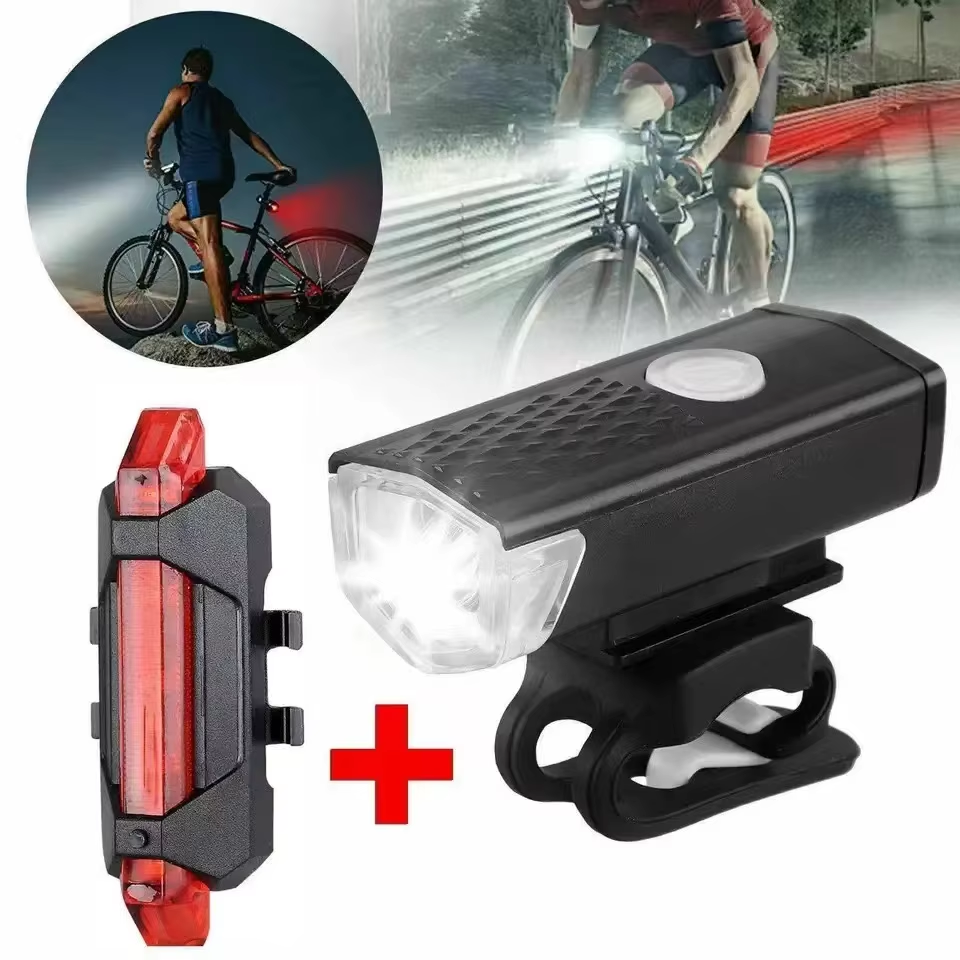
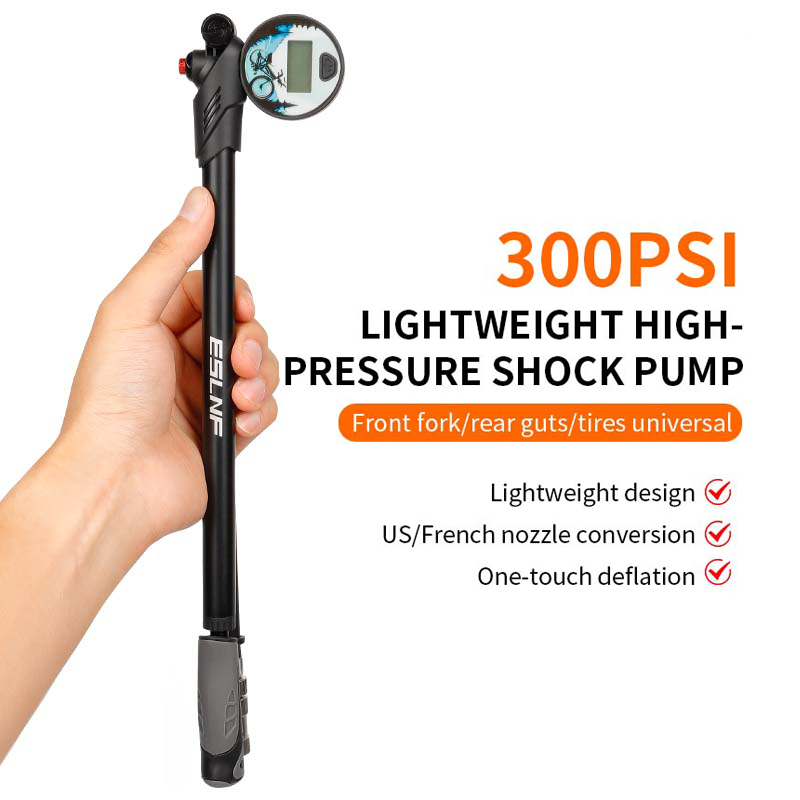
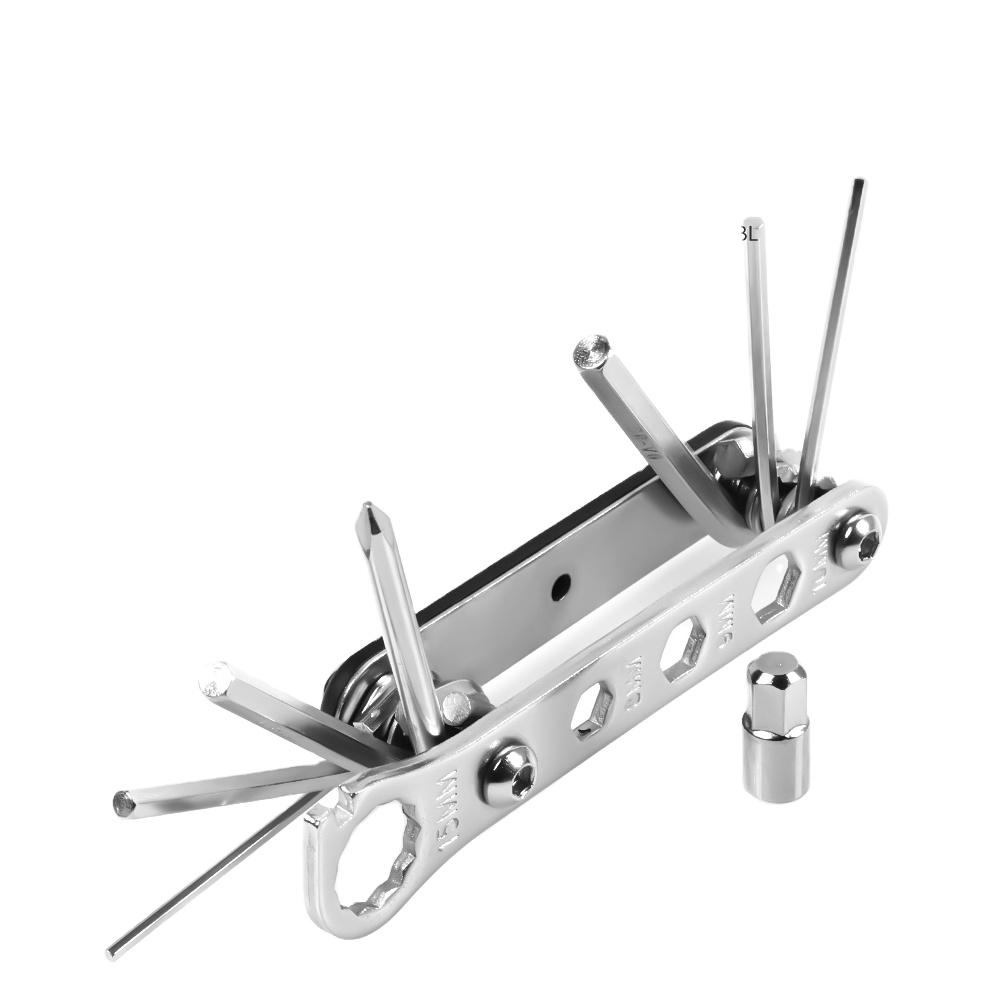
Yes. As a comprehensive cycling gear manufacturer, Kenus allows you to combine bicycle mirrors with high-lumen CE-certified bicycle headlights, smart wireless turn signals, nylon platform pedals, 3D-printed carbon saddles, water bottles, kickstands, and repair tools on a single bill of lading (B/L), substantially reducing freight overhead and customs broker fees.
Q: How do you verify product quality before container dispatch?
Our factory operates under an AQL 1.5/4.0 inspection framework. Quality checks begin with incoming raw glass curvature and resin batch testing, continue with in-line torque and retention checks during assembly, and finish with final carton drop and vibration endurance testing. Pre-shipment inspection (PSI) certificates, production photographs, and third-party inspection access are provided for every B2B order.
Ready to Upgrade Your Retail or Fleet Bicycle Mirror Supply in Charlotte?
Connect directly with our engineering and export team for custom OEM quotations, pre-production 3D sample evaluation, and turnkey freight forwarding estimates.