Export Lineup
High-Efficiency Cycling Components for Commercial Import
Verified wholesale products engineered for durability, salt-mist resistance, and extended service life across tropical terrain.
Market Engineering Report
Tonga Bicycle Seat & Cycling Gear Sourcing Blueprint
A rigorous examination of material resilience, logistics, and technical product requirements for the Kingdom of Tonga and Polynesian distribution networks.
As the Kingdom of Tonga continues its multi-sector push toward sustainable urban mobility, eco-tourism diversification across Tongatapu, and community wellness programs, the functional demand for high-grade bicycle seats and cycling hardware has expanded substantially. Sourcing directly from verified Chinese manufacturers provides Tongan commercial importers, hospitality fleets, and governmental procurement bodies with vital economies of scale—contingent upon choosing engineering specifications specifically fortified against intense South Pacific marine factors.
Strategic Localization: Cycling Applications Across Tongatapu, Vava'u, & Ha'apai
Standard consumer-grade bicycle components constructed for dry, temperate continental environments suffer rapid degradation in island conditions. Relative humidity often surpasses 80%, coastal atmospheric salt levels accelerate galvanic oxidation, and intense UV exposure breaks down vulcanized rubbers and low-grade polymers. Sourcing bicycle seats and accessories for the Tongan market requires a granular understanding of localized usage scenarios:
Daily Urban Commuting & Utility
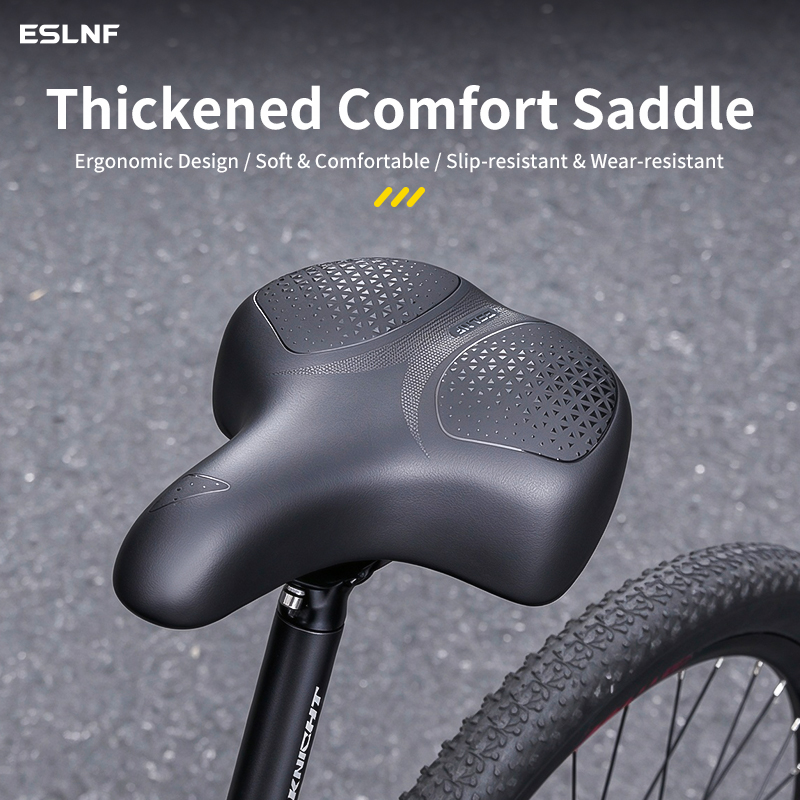
Within central Nuku'alofa and surrounding peri-urban corridors, commuter bicycles serve as foundational utility transport. Riders require wide-base comfort saddles with high-density memory foam or elastic polyurethane cushions.
- Closed-cell foam structures to block tropical rain absorption
- Broad sitting geometry distributing rider weight across unpaved transitions
- Electro-coated or stainless steel saddle rail systems
Eco-Resort & Outer Island Fleet Hire
In destination hubs like Vava'u and 'Eua, resort rental bicycles and tour operators face relentless outdoor salt spray and sand abrasion. Seat covers must provide superior tear resistance and seamless thermal sealing.
- Vacuum-molded seamless polyurethane skin to eliminate stitching decay
- Integrated underside rear grips for easy fleet handling and storage
- UV-stabilized materials resistant to blistering and premature cracking
Public Health & Athletic Riding
National physical activity initiatives and recreational cycling groups demand performance-oriented ergonomic saddles designed to mitigate soft-tissue pressure during long-distance training runs across the islands.
- Anatomical center cutouts maximizing airflow and perineal relief
- 3D-printed honeycomb matrix or dual-density composite rails
- Integrated high-visibility reflective panels for safety on unlit coastal roads
Emerging Procurement & Localization Trends in the Polynesian Rim
Bicycle infrastructure development across the Pacific Islands is experiencing a fundamental shift. Sourcing entities no longer accept disposable, low-margin products that disintegrate within months of arrival at the Port of Nuku'alofa. Professional buyers are leaning toward specialized OEM sourcing models that prioritize life-cycle efficiency, modular repairability, and integrated safety ecosystems.
| Procurement Factor | Legacy Low-Cost Import | Kenus Precision OEM / Export Standard |
|---|---|---|
| Cushion Construction | Open-cell recycled foam (retains rainwater, breaks down) | High-Elastic Polyurethane & Vacuum-Formed Hydrophobic Gel |
| Structural Under-Rail | Untreated carbon steel (oxidizes rapidly in maritime air) | ED Black-Coated Steel, Cr-Mo Alloy, or Ultralight Carbon Fiber |
| Outer Shell Joining | Stitched perimeter (seams rupture under intense solar heat) | Seamless Hot-Press Bonding & Reinforced Riveted Bumpers |
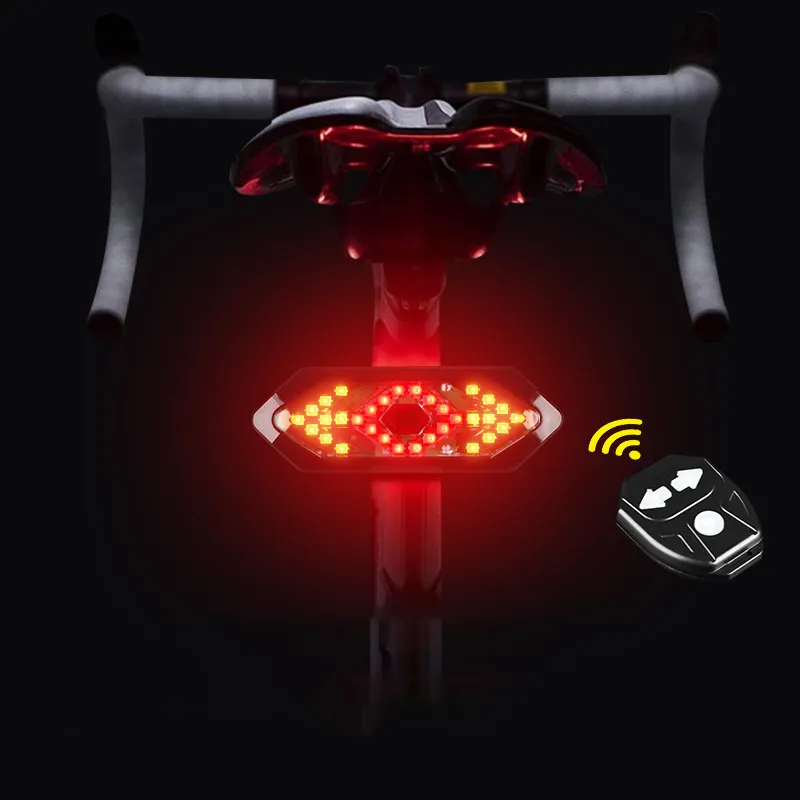
| Cockpit Integration | Isolated, single-component sourcing | Cross-compatible mounts for safety lights, tools, and hydration |
| Inspection & Verification | Unverified broker operations with no documented testing | TÜV Rheinland onsite assessed lines with CE, RoHS, and EMC compliance |
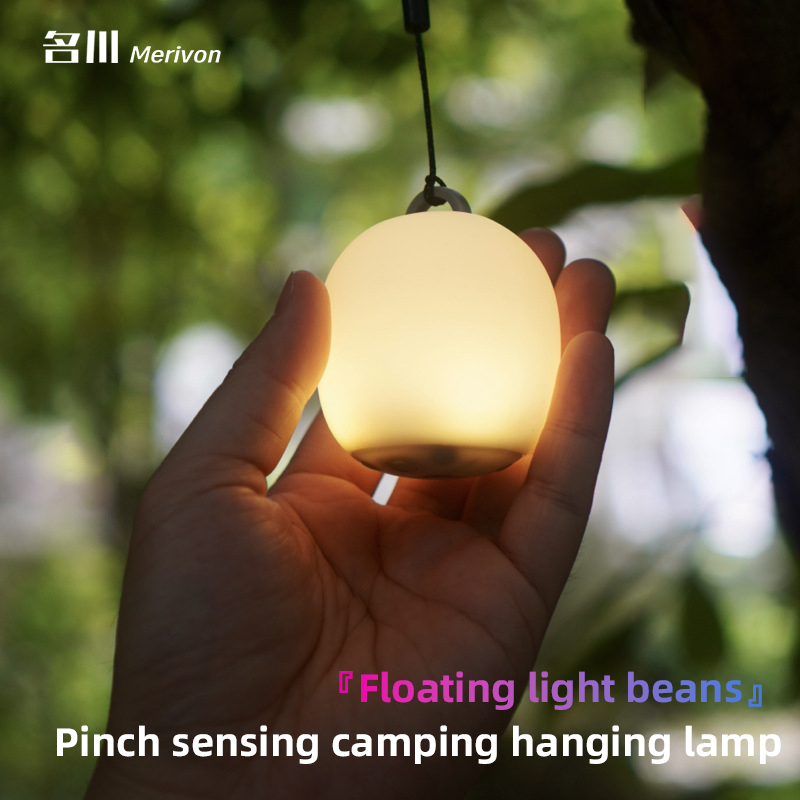
Furthermore, commercial importers throughout Tonga are capitalizing on consolidated shipments. Rather than procuring seats, toolsets, illumination components, and bottles from fragmented vendors, sourcing managers are leveraging Kenus Intelligent Technology to combine these complementary product lines into singular containerized logistics runs. This mitigates transshipment risks in Fiji or New Zealand and yields substantial freight optimization.
Engineering Authority: The Kenus Production Advantage
Operating from Jinhua, Zhejiang—the central manufacturing hub of Chinese precision hardware and cycling equipment—Kenus Intelligent Technology Co., Ltd. provides global procurement partners with rigorous manufacturing integrity. Backed by an annual output value between US$2.5M and US$5M, our direct factory operations combine advanced tube forming, metal welding, laser engraving, and in-line quality controls.
TÜV Rheinland Inspected Facilities
Unlike trading intermediaries, our production floor, QA protocols, assembly stations, and testing equipment have been evaluated directly on site by TÜV Rheinland. We maintain dedicated functional testing setups ensuring that every saddle batch meets strict compression recovery, rail deflection, and shear strength thresholds prior to export packaging.
TÜV Onsite Assessed
CE Certification SIT230614230201E
RoHS Directives SIT240417230101R
EMC Standards SIT250212230201ER
Our factory ranks #2 globally on major B2B export platforms for bicycle pedals and lights, and #5 for bicycle saddles, demonstrating established delivery performance across European, American, and Oceanic destinations.

Buyer Intelligence
Frequently Asked Questions by Importers in Tonga
Essential trade details covering maritime shipping, custom branding, climate performance, and container consolidation.
How do Kenus bicycle seats endure Tonga's high-humidity and high-salinity air?
Our bicycle saddles engineered for export use closed-cell hydrophobic polyurethane matrices and sealed PVC/microfiber outer covers. Because the internal padding does not absorb moisture, internal mold growth and sponge deterioration are eliminated. Furthermore, saddle rails receive specialized electrophoretic deposition (ED) coatings or are crafted from anti-corrosion chrome-molybdenum and stainless alloys, surviving standard salt-fog tests exceeding 500 hours without surface rusting.
What is the standard logistics routing and lead time for shipments to the Port of Nuku'alofa?
Production lead time for standard ready-to-ship components is 7 to 15 days, while customized OEM production runs generally require 25 to 35 days depending on tooling and logo specifications. Sea freight dispatch occurs from Ningbo or Shanghai port, typically transiting regional hubs such as Suva (Fiji) or Auckland (New Zealand) before final discharge at Queen Salote Wharf in Nuku'alofa. Ocean transit times usually range between 28 and 42 days.
Can we consolidate bicycle saddles with lights, tools, and bags in a single container?
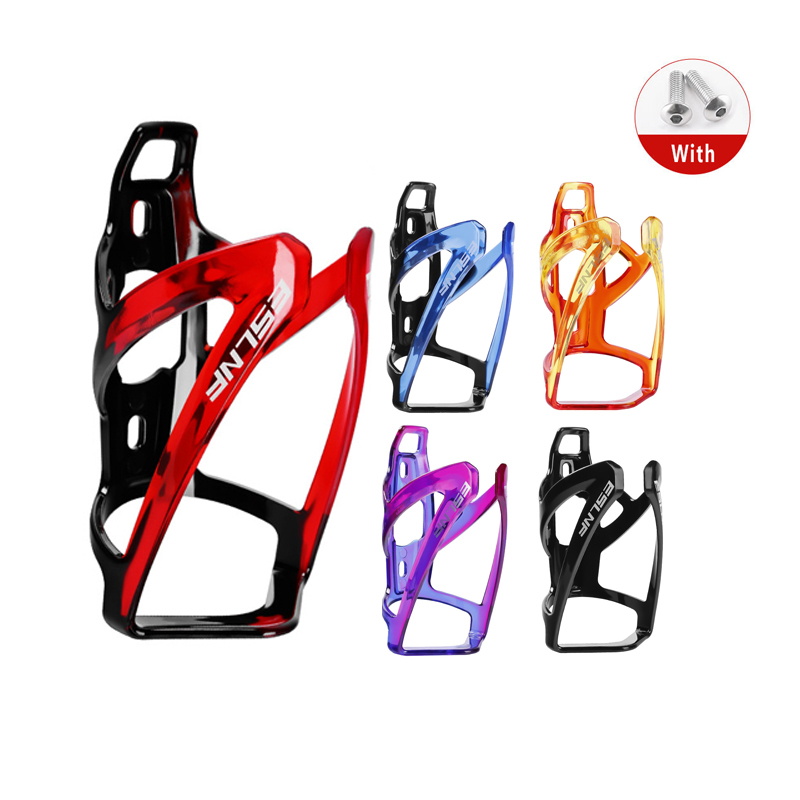
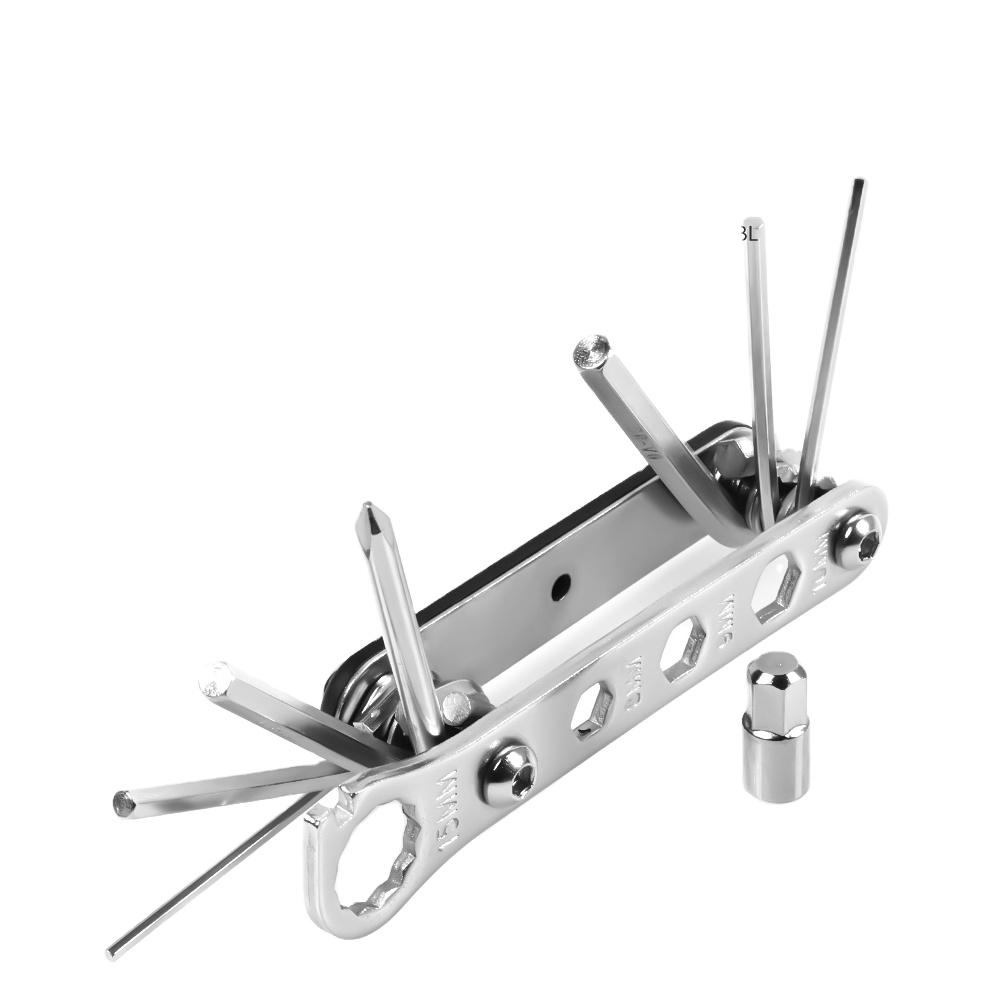
Yes. One of Kenus's greatest enterprise advantages is product-range consolidation. You can combine bicycle seats, waterproof USB rechargeable headlights, 13-in-1 multi-tools, nylon pedals, and bottle cages under a single Bill of Lading and commercial invoice. This allows Tongan distributors and retailers to maintain optimal inventory turnover across multiple SKU categories without incurring disjointed shipping fees.
What are the Minimum Order Quantities (MOQ) for custom logos or custom-molded designs?
For sampling and trial inventory orders, stock saddles and accessories start at minimums as low as 2 to 50 pieces. For custom private-label branding (silk-screen logo printing, embossed saddle texturing, or bespoke retail box packaging), MOQs typically start at 100 to 300 pieces depending on the specific model. For completely custom shell molds, our engineering department provides rapid 3D prototyping prior to tooling fabrication.
What third-party documentation and testing reports are available for import customs clearance?
Every shipment is supported by comprehensive export documentation, including CE Declaration of Conformity, RoHS environmental compliance reports, EMC electromagnetic testing certificates, and our official TÜV Rheinland onsite inspection audit report. We supply complete commercial documentation (Commercial Invoices, Detailed Packing Lists, and Certificates of Origin) to facilitate fast tariff classification and clearance under Tongan customs authorities.
Do you manufacture specialized wide comfort seats suitable for electric bicycles (e-bikes) and cruisers?
Yes. We produce an extensive range of oversized ergonomic cruiser and e-bike saddles featuring dual elastomer ball shock absorbers, high-elastic memory foam padding, and reinforced steel bases engineered to handle heavier dynamic loads and upright riding postures typical of utility and e-mobility bicycles.
Request Direct Factory Pricing & OEM Quotations
Consult with our international engineering and trade specialists to discuss customized saddle manufacturing, minimum order quantities, and consolidated container delivery to Tonga.