Engineered Safety Gear & Performance Components
Seamlessly integrate OEM/ODM helmet platforms with certified electronic signaling systems, structural hardware, and cockpit accessories tailored for Baltic retail and industrial distributors.
Why Enterprise Importers Partner with Our Manufacturing Ecosystem
Our integrated manufacturing and assessment protocols give European distributors complete visibility, verified compliance, and direct factory-floor control.
TÜV Rheinland Onsite Verified
Our facilities, legal status, automated assembly lines, and QA/QC management protocols are verified through regular onsite physical assessments by TÜV Rheinland engineers.
EU Market Documentation
Complete traceability covering CE (EN 1078, SIT230614230201E), RoHS (SIT240417230101R), EMC electromagnetic compatibility, and Japanese PSE accreditations for integrated electronics.
In-House 3D Prototyping
Utilizing high-precision stereolithography and 3D additive printing, our engineering team transforms client CAD schematics into functional ergonomic mockups in under 72 hours.
In-Line CNC & Metal Forming
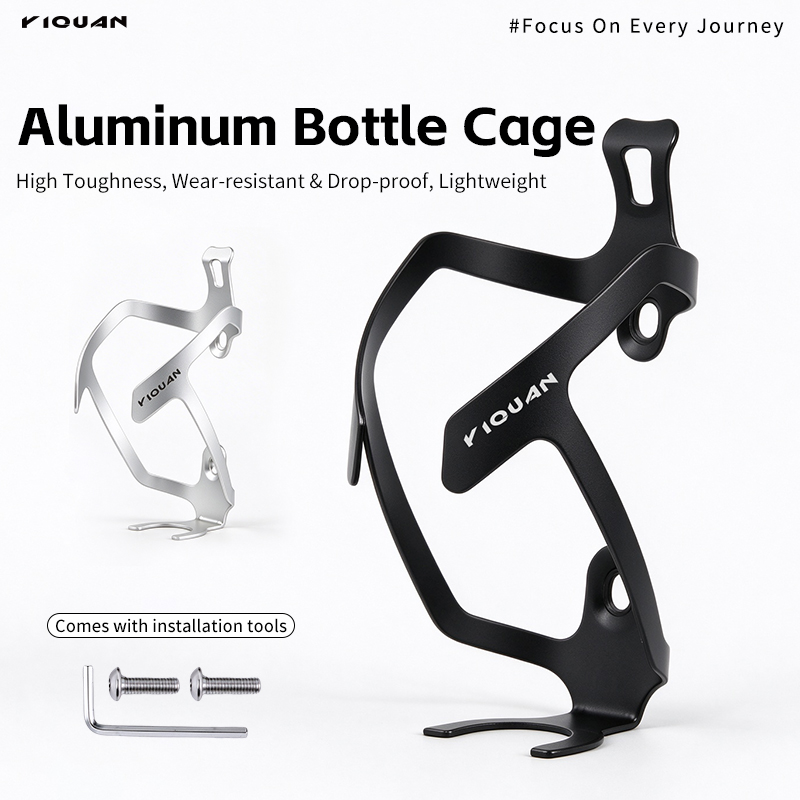
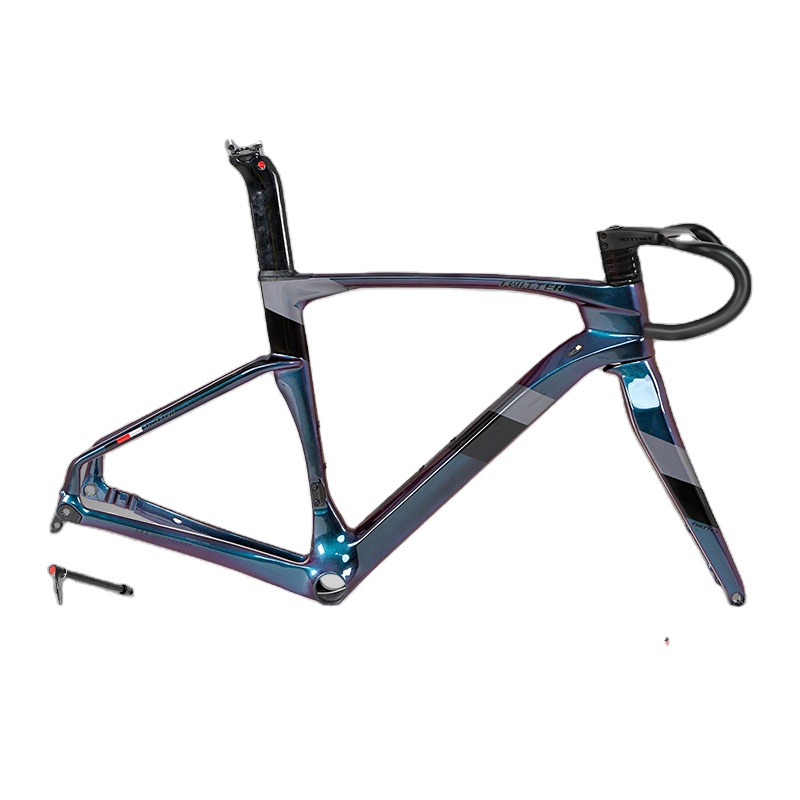
From aluminum tube constricting to multi-axis drilling and fiber-laser etching, our mechanical lines provide total structural integrity across frames, stands, and cockpit components.
Agile Volume Scaling
Offering adaptable minimum order quantities—from rapid retail trial runs of 2 pieces on active stock items to multi-container shipments customized for private labels and hypermarkets.
Consolidated Logistics
Consolidate bicycle helmets, lights, carbon components, and repair stands on a single bill of lading (BOL), lowering customs friction and transit landed costs across Northern Europe.
Technical White Paper: Localized Deployment & Procurement Architecture in Šiauliai
As the fourth-largest urban center in Lithuania, Šiauliai occupies a dominant strategic position in the Baltic manufacturing and transport infrastructure. Known historically for its engineering heritage and dynamic industrial clusters, Šiauliai serves as a crucial transshipment gateway along the European Route E77 and the wider Trans-European Transport Network (TEN-T). Sourcing commercial-grade, CE-certified cycling helmets and integrated mobility components within this northern regional market requires a deep understanding of municipal transit mandates, cold-weather polymer elasticity, and stringent European Personal Protective Equipment (PPE) compliance frameworks.
1. Regulatory Compliance Frameworks: Personal Protective Equipment (EU) 2016/425
Procuring cycling helmets within Lithuania and the broader European Union is governed directly by Regulation (EU) 2016/425 under Category II personal protective equipment. Commercial purchasers in Šiauliai must avoid gray-market imports lacking full notified-body documentation. All compliant cycling helmets distributed across the Baltic trade corridor must undergo type-examination testing according to European Standard EN 1078:2012+A1:2014 (Helmets for pedal cyclists and for users of skateboards and roller skates).
Our safety architectures undergo destructive impact deceleration testing, retention system strength analysis, and roll-off dynamic evaluations under both ambient and extreme climatic configurations:
- Linear Deceleration Thresholds: Shock absorption tests ensure that peak accelerations transmitted to the headform never exceed 250 g under high-energy flat anvil impacts (5.42 to 5.52 m/s velocity) and kerbstone anvil strikes (4.4 m/s).
- Cold-Conditioning Resilience: Helmets conditioned down to -20°C maintain high EPS/EPP structural damping efficiency without brittle foam cleavage, an indispensable metric for Baltic winter commuting.
- Chinstrap Dynamic Stability: Dynamic retention tests limit permanent elongation to below 35 mm under a 10 kN tensile impulse, preventing helmet dislocation during multi-directional impacts.
| Testing Parameter | EN 1078 Standard Requirement | Factory Baseline Performance | Procurement Significance |
|---|---|---|---|
| Peak Impact Deceleration (Flat Anvil) | < 250 g at 5.42 m/s | < 182 g (Average) | Prevents severe traumatic brain injury (TBI) |
| Kerbstone Impact Attenuation | < 250 g at 4.42 m/s | < 165 g (Average) | Guards against concentrated road-edge impacts |
| Cold Impact Endurance | Conditioned at -20°C for > 4 hrs | Compliant (Zero micro-fractures) | Vital for Nordic and Baltic winter sub-zero rides |
| Retention Release Force | Buckle release > 80 N, < 500 N | Controlled between 120 N – 180 N | Ensures helmet retention while allowing emergency release |
| Field of Vision Angle | Horizontal > 105°, Upward > 25° | Horizontal 112°, Upward 32° | Maximizes peripheral vision at urban intersections |
2. Localized Deployment Applications in Šiauliai and the Baltic Region
Cycling dynamics in Šiauliai exhibit diverse micro-mobility demands. Modern municipal planning and sustained investments into Lithuania's sustainable urban transport grid (Darnaus judumo planai) have dramatically expanded segregated cycleways along key routes such as Tilžės Street, Architektų Street, and the scenic pathways circumscribing Lake Talkša. Helmets and accessories distributed within Šiauliai address distinct functional categories:
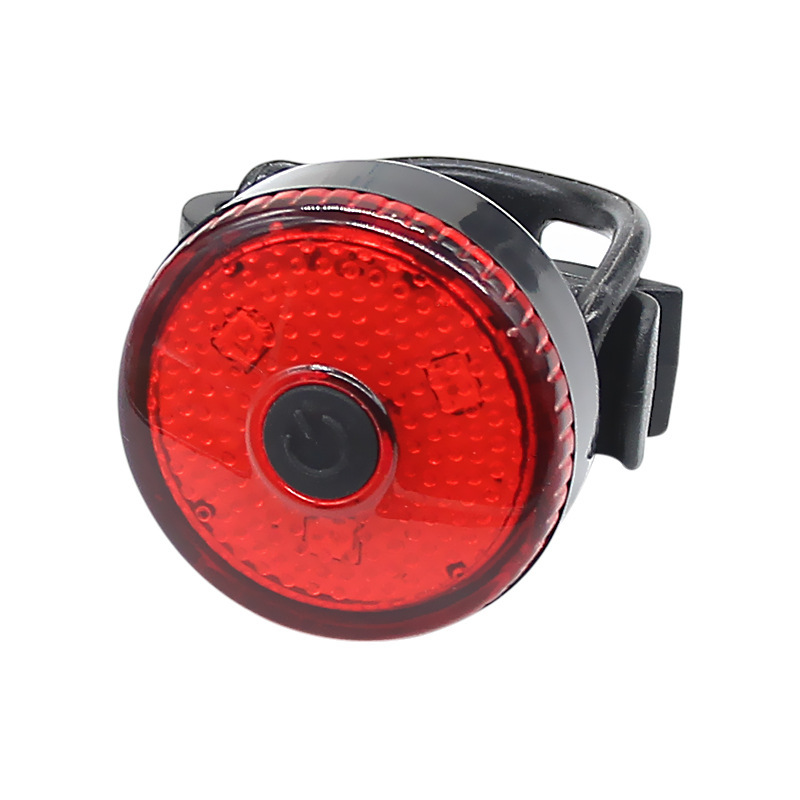
A. Urban Fleet Integration and Municipal Micromobility: Šiauliai's growing adoption of shared electric kick-scooters (e-paspirtukai) and shared commuter bicycles requires high-turnover, antimicrobial head protection. Municipal laws increasingly encourage helmet adoption, specifically highlighting under-18 safety mandates. Urban helmet models integrate high-density EPS liners paired with micro-adjustable dial retention fit-systems (suitable for head circumferences from 54 cm to 62 cm) and integrated high-visibility LED tail lights (CE/EMC approved) for 360-degree twilight conspicuity.
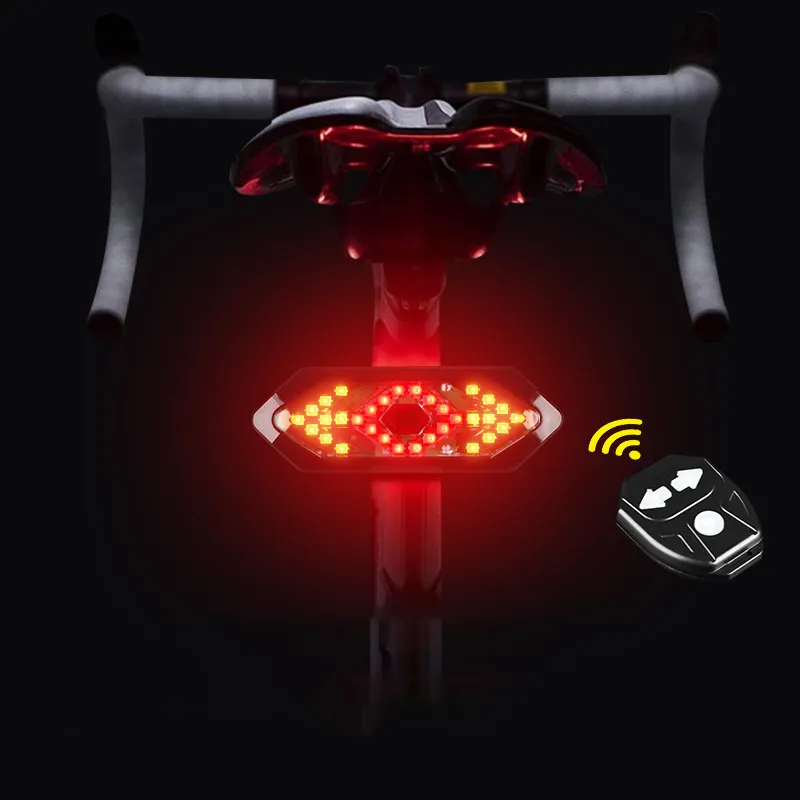
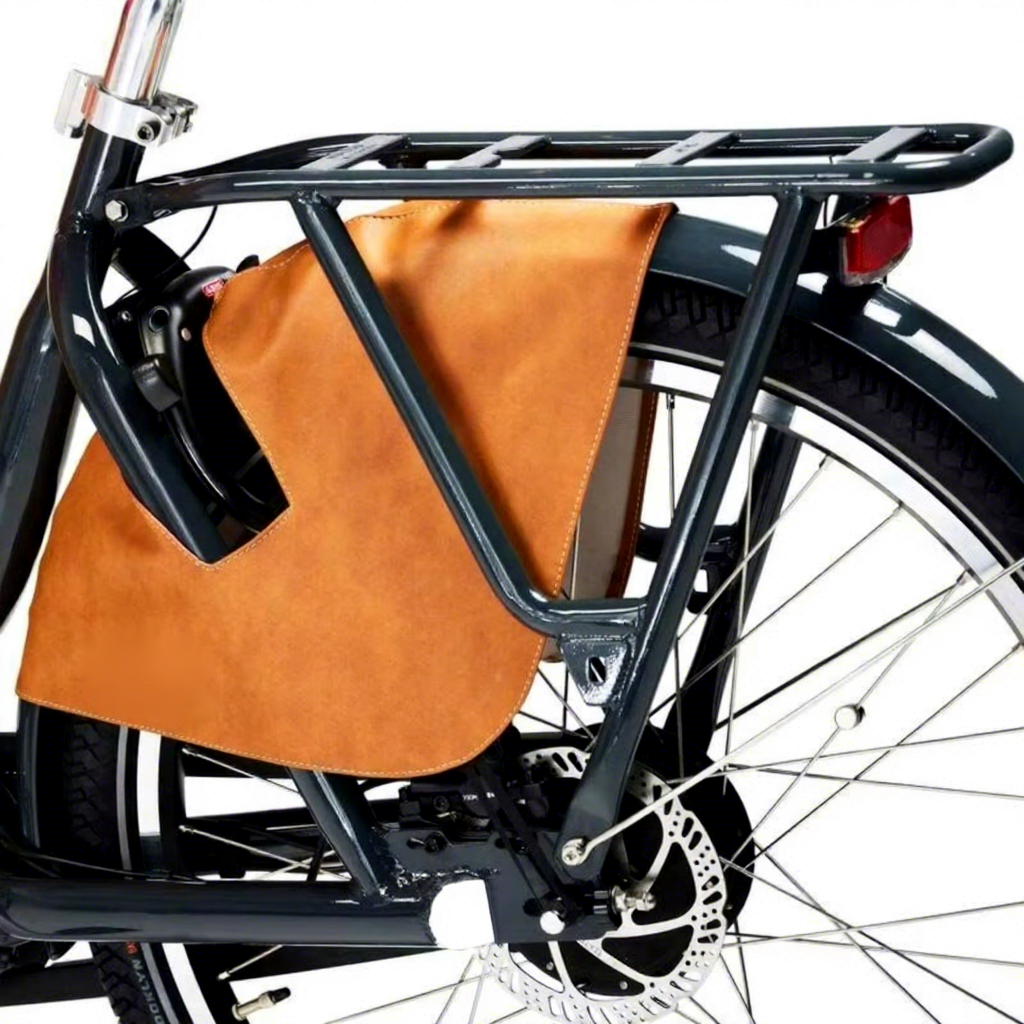
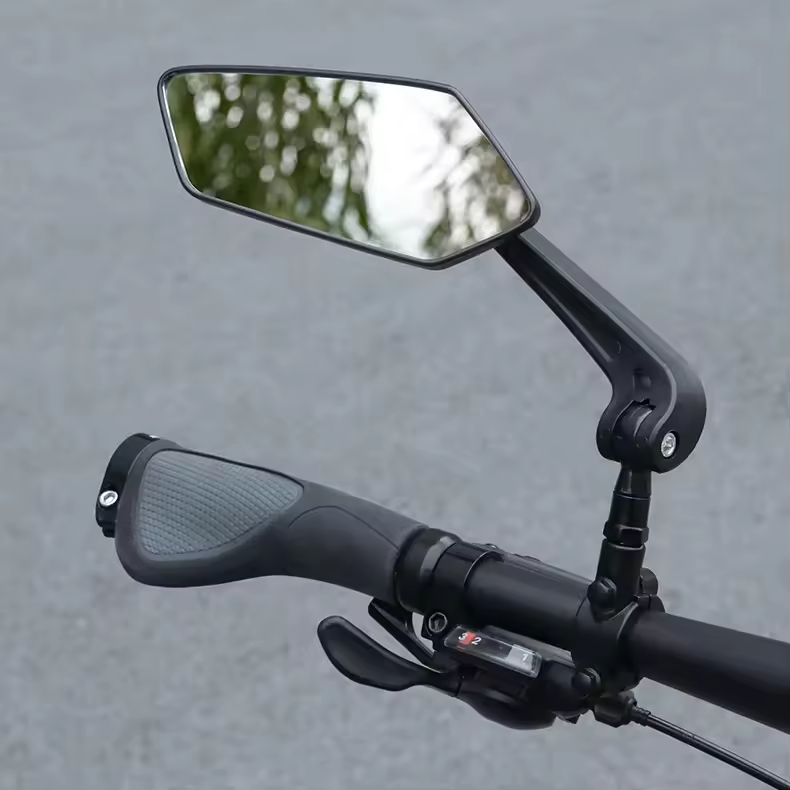
B. Industrial District Commuting (Zokniai & Šiauliai FEZ): The Šiauliai Free Economic Zone (Šiaulių LEZ) and the adjacent aviation logistics parks employ thousands of industrial workers who cycle during early morning and late evening shifts. The inclusion of waterproof rear warning lights, convex bar-end mirrors, and mud-shedding cargo skirts safeguards industrial workers moving along suburban arterial roads where ambient light levels drop during prolonged northern winter months.
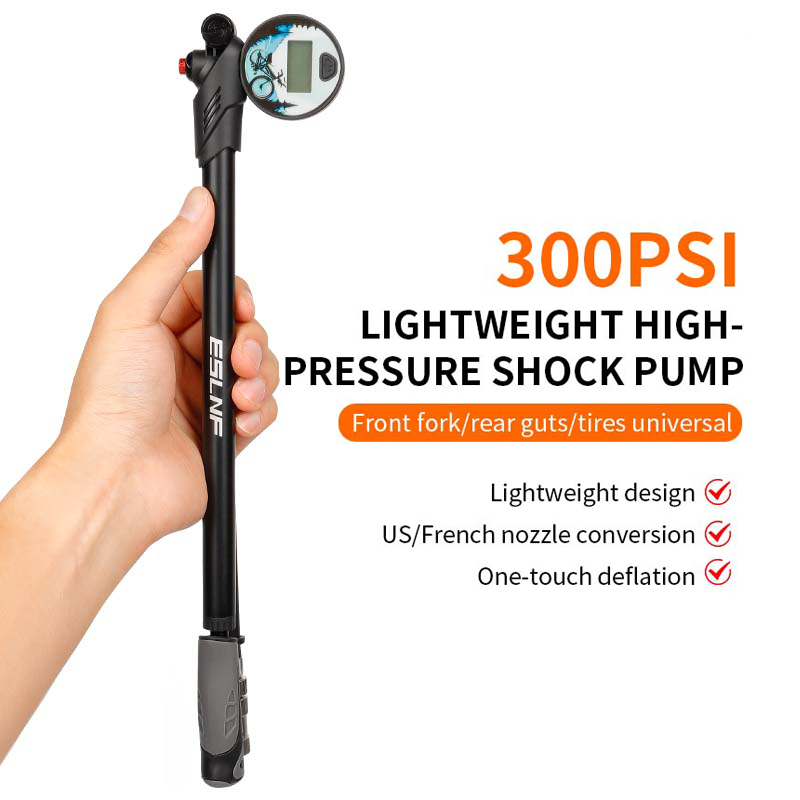
C. Gravel Touring & Cross-Country Sport: Outside the urban center, the undulating terrain of the Žemaitija region and local recreational single-tracks around Salduvė Regional Park demand in-mold polycarbonate helmets with maximum vent channeling (21+ aerodynamic wind tunnels) and deep occipital skull coverage. High-pressure air suspension fork pumps and carbon framesets provide advanced enthusiasts with the mechanical reliability needed for multi-day gravel expeditions.
3. Material Engineering and Cold-Weather Polymer Stability
Procuring cycling protective gear for Northern Europe necessitates materials engineered to endure high thermal variance. Standard consumer-grade helmets often suffer from rapid thermal degradation, where external polycarbonate (PC) shells become brittle after repeated exposure to freezing precipitation and UV radiation.
Our OEM manufacturing process utilizes high-grade, virgin polycarbonate shells vacuum-formed directly onto high-density expanded polystyrene (EPS) cores via advanced in-mold thermal bonding. This eliminates delamination risks. Additionally, multi-density EPS cores are zoned strategically: lower-density foam cushions softer impacts, while surrounding high-density segments arrest high-velocity forces before they reach the cranial vault. Synthetic chin straps and moisture-wicking inner pads receive OEKO-TEX certified anti-microbial treatments, resisting moisture build-up and mold growth in wet storage locker environments common across Baltic cycling service points.
4. Evolving Trends in the Baltic Cycling Ecosystem
The cycling market across Lithuania, Latvia, and Estonia is undergoing rapid modernization driven by three primary market catalysts:
- Electrification & Higher Velocity Protective Standards: With e-bikes making up an accelerating share of both retail purchases and delivery fleet fleets, velocity dynamics have shifted. Helmets are increasingly developed to meet supplementary speed pedelec standards (such as NTA 8776), offering greater dissipation for speeds up to 45 km/h.
- Smart Signaling and Ecosystem Consolidation: Discerning Baltic cyclists increasingly demand interconnected safety cockpits. Tail lights equipped with smart deceleration brake sensors and wireless handlebar turn indicators (as seen in our CE/RoHS-certified ESLNF lighting range) allow riders to communicate turning maneuvers without compromising handlebar steering stability on wet cobblestone or gravel.
- Circularity and Traceable Manufacturing: European corporate buyers emphasize supply chain ESG integrity. Importers in Šiauliai prioritize manufacturers with onsite audit verifications (TÜV Rheinland), REACH-compliant non-toxic coatings, and recyclable structural plastics to simplify national environmental reporting.
Frequently Asked Questions for Šiauliai & Baltic Importers
Essential guidance on importing, compliance verifications, technical customizations, and logistical execution.
What specific CE documentation accompanies helmet shipments into Lithuania?
How does our factory verify supply chain integrity for European B2B tenders?
What are the minimum order quantities (MOQ) for custom private label helmets?
What transit routes and freight methods are utilized for delivery into Šiauliai?
Are helmet structures engineered to resist thermal degradation in Baltic winters?
Can we consolidate bicycle helmets with repair tools and lights in a single shipment?
Scale Your Protective Cycling Gear Assortment Today
Partner with an accredited, TÜV-assessed manufacturer providing certified EN 1078 cycling helmets, safety components, and accessories engineered to outpace regional competition.