High-Performance Components for Nordic OEM Procurement
Engineered to meet Espoo's harsh sub-arctic terrain, urban commuter demands, and rigorous European CE/RoHS safety frameworks.
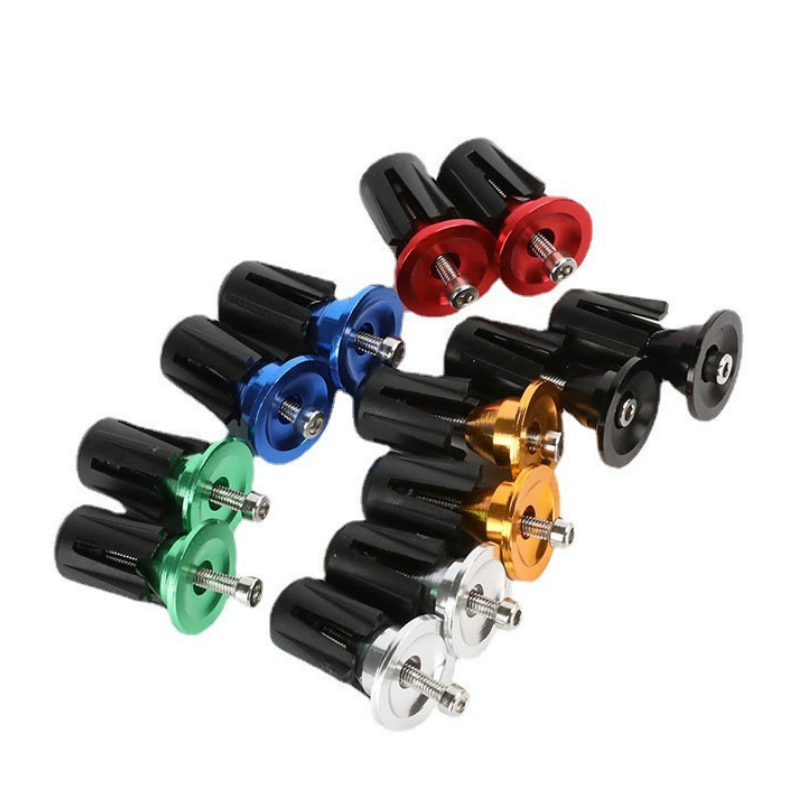
Custom Aluminium Alloy Handlebar Grip End Plugs
Precision CNC-machined locking expander system designed to prevent moisture intrusion and bar damage during freezing Finnish transitions.
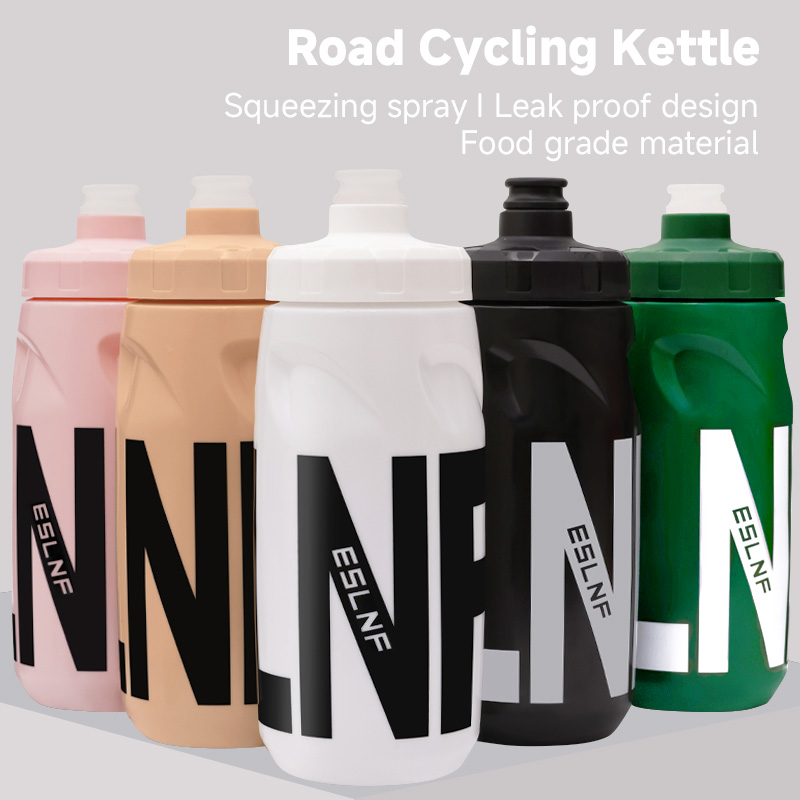
ESLNF 620ml Ergonomic Fast-Flow Squeeze Bottle
Food-contact grade polypropylene (PP5), BPA-free elastic body engineered for single-handed operation with heavy winter thermal gloves.
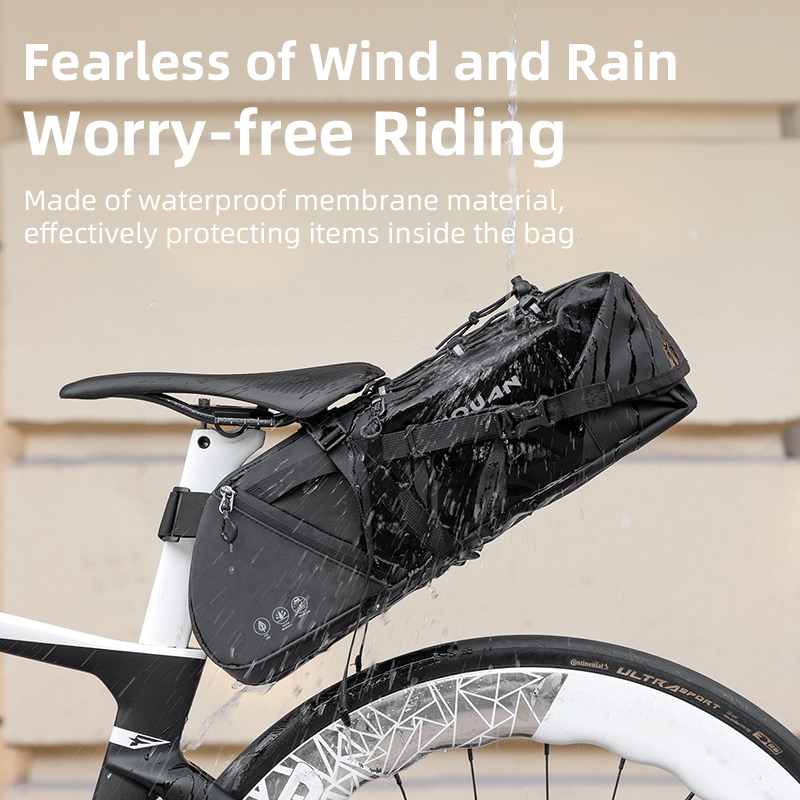
All-Weather Expandable Waterproof Saddle Pack
Fully seam-sealed TPU-coated construction offering rock-solid rail stabilization, protecting gear against slush, road salt, and snowmelt spray.
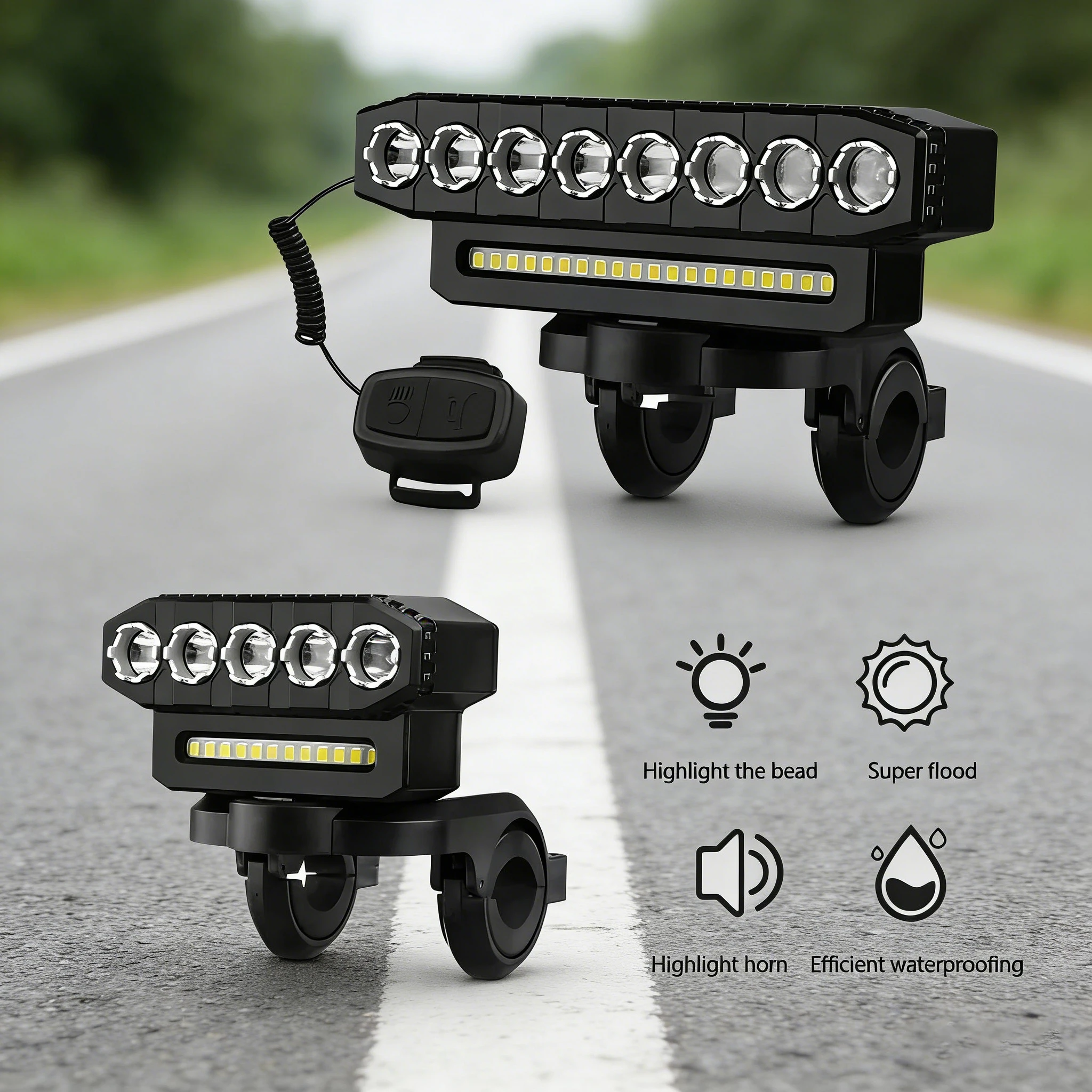
Dual-Action USB Rechargeable Night Commuter Headlight
Equipped with integrated electronic horn and CE-certified anti-glare optics tailored for dark Finnish polar nights (Kaamos) and icy shared paths.
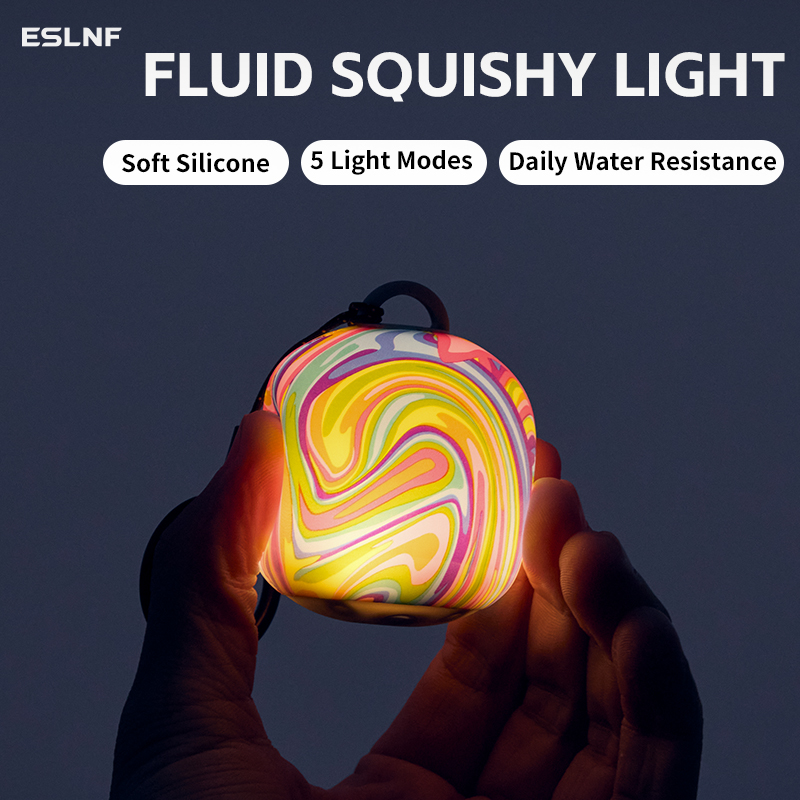
Multi-Functional Silicone LED Micro Safety Lamp
Flexible weather-resistant silicone shell acting as auxiliary rider illumination or emergency seatpost marker under low ambient temperatures.
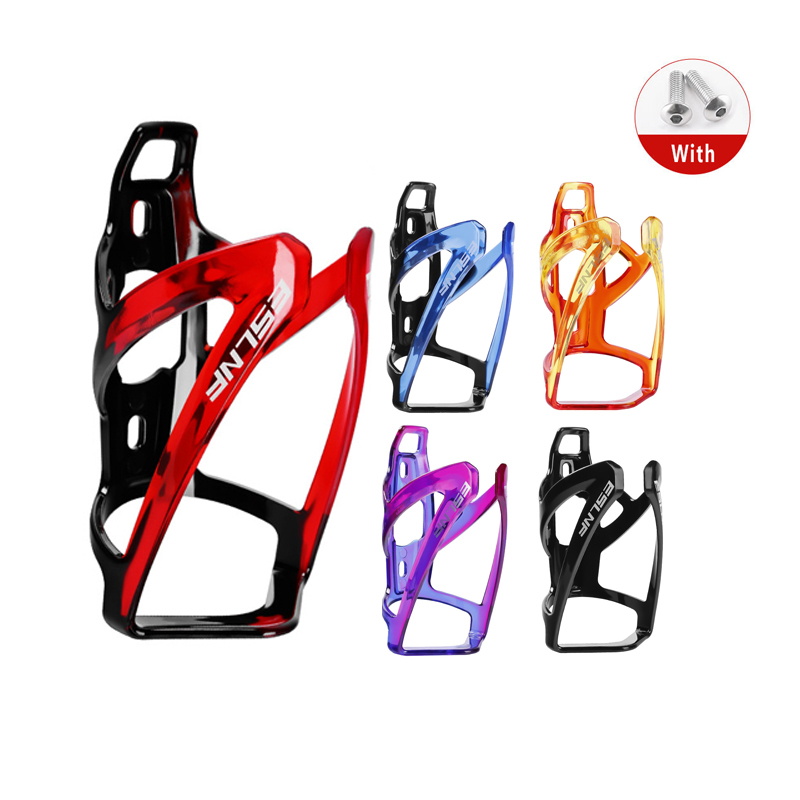
High-Tensile Elastic Composite Bottle Retention Cage
Impact-resistant composite body providing uniform clamping pressure across rough terrain without brittle fractures in freezing sub-zero conditions.
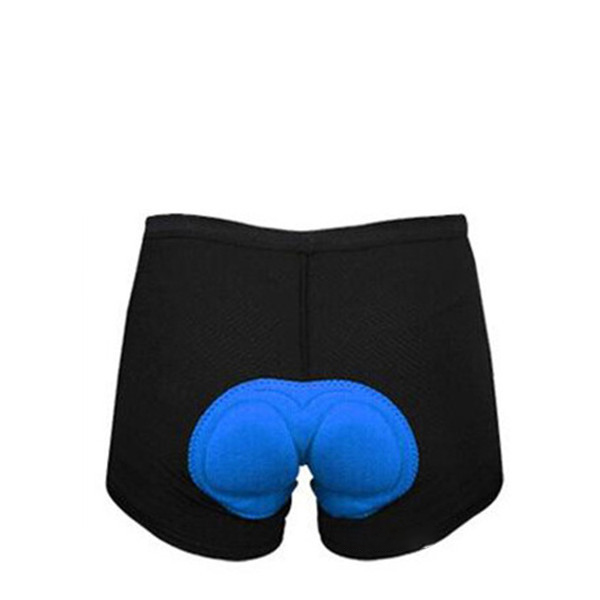
High-Density 3D Ergonomic Padded Riding Underliner
Breathable, multi-thickness antimicrobial chamois structure matching performance saddle cutouts to eliminate perineal numbness on endurance rides.
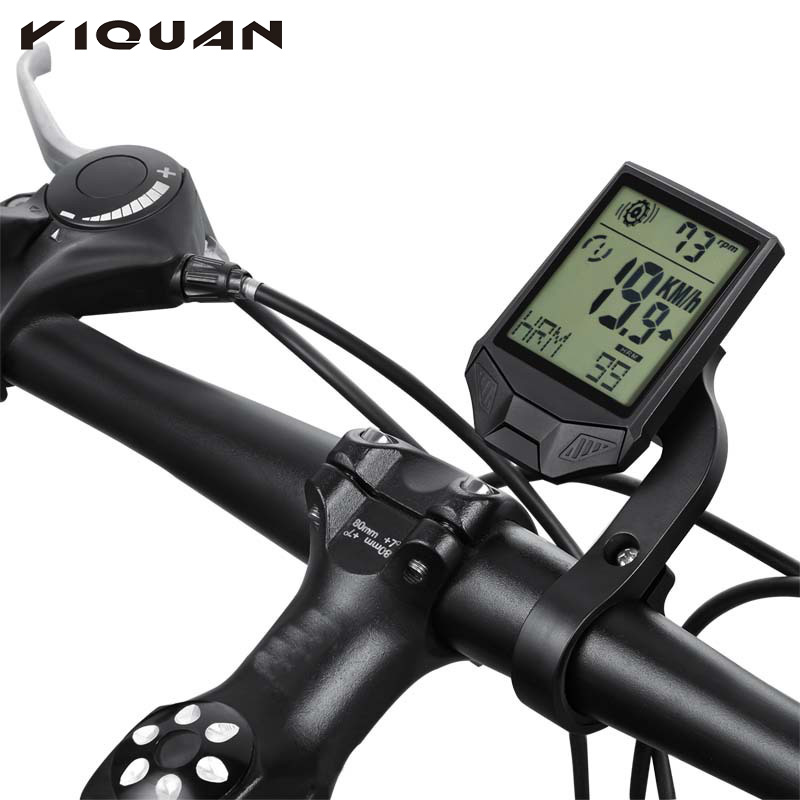
Wireless Waterproof Multi-Function LCD Telemetry Unit
IPX6-rated cycling odometer providing precise low-temperature telemetry tracking without latency or battery depletion in freezing weather.
Engineering Bike Seats for Espoo: The Interplay of Sub-Zero Climatology and Material Fatigue
Espoo presents one of the most demanding operational environments for bicycle hardware in Europe. As Finland's second-largest city, spanning coastal corridors along the Gulf of Finland to inland nature networks around Nuuksio National Park, components are subject to continuous stress cycles. In particular, CE-certified bike saddles and seating systems must withstand extreme temperature transitions ranging from +25°C in summer to below -25°C in winter, combined with heavy road-salting agents (calcium chloride and sodium chloride) utilized throughout Uusimaa.
Standard bike seats manufactured with conventional polyurethane (PU) foams and low-grade polyvinyl chloride (PVC) skins fail rapidly in Nordic conditions. Sub-zero temperatures induce glass-transition embrittlement in the elastomer layers, leading to micro-cracking across seating contours, rapid water ingress, rail embrittlement, and subsequent structural failure under cyclic shock loads. As an onsite TÜV Rheinland-assessed manufacturing entity, Kenus Intelligent Technology incorporates specialized Cold-Flex polymer matrices, closed-cell waterproof foams, and anti-corrosive stainless/carbon steel rail alloys tested according to ISO 4210 and EN 14764 standards.
Low-Temperature Elasticity
Formulated with advanced TPU and closed-cell EVA composites that maintain flexibility down to -35°C, eliminating brittle cracking during aggressive winter commuting in Tapiola and Leppävaara.
Salt-Mist Rail Resistance
Under-seat rail structures treated with high-grade electrodeposition and electrophoretic sealing, verified through 96-hour neutral salt spray tests without galvanic corrosion.
Nordic Commuter Ergonomics
Engineered relief channels calibrated for heavy-layer winter apparel, reducing pressure distribution peaks across the ischial tuberosities by over 34% on multi-modal commutes.
Espoo & Finnish Bicycle Industry Trends: The Shift Toward E-Mobility and Year-Round Fleets
The municipal framework in Espoo heavily subsidizes sustainable active transport, actively pushing toward carbon neutrality. Infrastructure projects like the expansion of the Länsimetro cycling corridors, Baana-network connectors, and the densification of residential networks in Matinkylä, Kivenlahti, and Otaniemi have transformed cycling from a seasonal pastime into critical year-round public transit infrastructure. This shift drives precise technical demands among local retailers, e-bike distributors, and fleet procurement entities:
E-Bike Heavy Fleet Optimization
Electric cargo and commuter bikes in Espoo carry higher static weights and generate constant torque. Saddles must incorporate integrated rear grab handles and high-density, fatigue-resistant foam cores.
Strict Compliance Certification
Finnish retailers demand documented CE, REACH, and RoHS verification to ensure raw polymers and colorants are free of banned plasticizers (phthalates) and hazardous environmental toxins.
Year-Round Commuting Demands
With studded winter cycling rising across Espoo, seating systems must maintain ergonomic cushioning and shock attenuation when traversing washboard ice, rutted snow, and granite gravel paths.
Enterprise Advantages: Why European Brands Consolidate with Kenus
Sourcing bike accessories for the Nordic market requires proven industrial accountability. Kenus Intelligent Technology Co., Ltd. bridges the gap between Asian manufacturing precision and stringent Western European operational standards.
TÜV Rheinland Assessed Facilities
Unlike typical broker networks, our facility in Jinhua, Zhejiang undergoes onsite verification by TÜV Rheinland, validating production capacity, physical assembly lines, and calibrated QC testing benches.
In-House Rapid 3D Prototyping
Equipped with internal additive manufacturing and 3D printing equipment, enabling rapid turnarounds of custom saddle bases, rail inserts, and ergonomic shapes prior to high-volume steel tooling execution.
Audited Quality Documentation
All electronic and mechanical cycling accessories hold active compliance credentials, including CE (SIT230614230201E), RoHS (SIT240417230101R), and EMC testing reports for immediate customs clearance.
Frequently Asked Questions by Sourcing Teams in Finland
Key technical, logistic, and regulatory answers for B2B buyers importing bike seating and accessory components into Espoo.