Wholesale Certified Bike Components & Ergonomic Saddles
Engineered for endurance, tested under strict mechanical fatigue thresholds, and fully compliant with European Union safety standards for direct containerized logistics to the Port of Marseille-Fos.
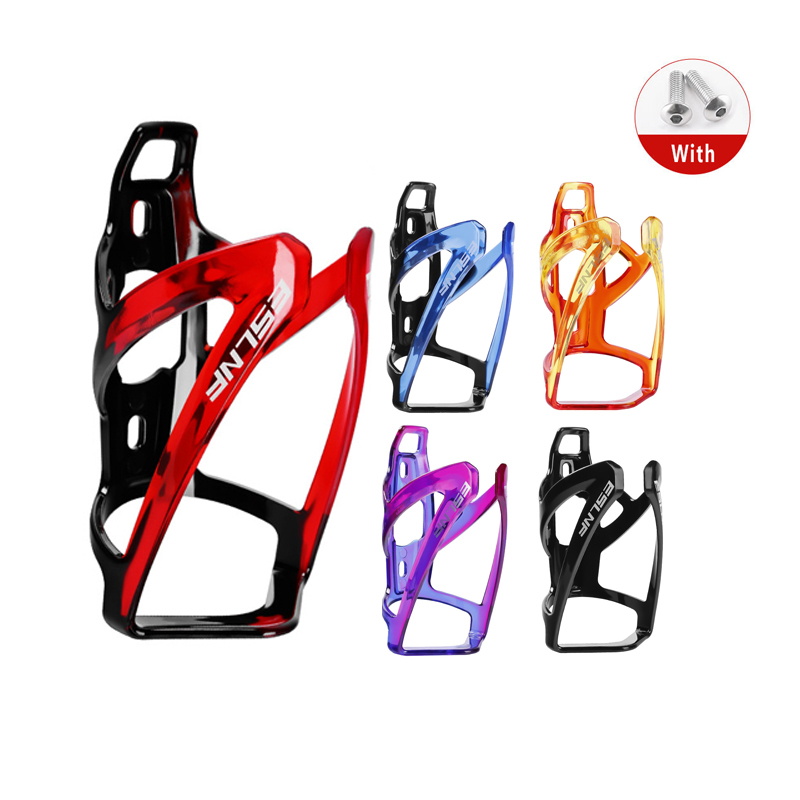
ESLNF Durable Plastic Bicycle Water Bottle Holder
- Ultra-tough polycarbonate build
- UV-stabilized for coastal climates
- Weight: 34g, universal mounting
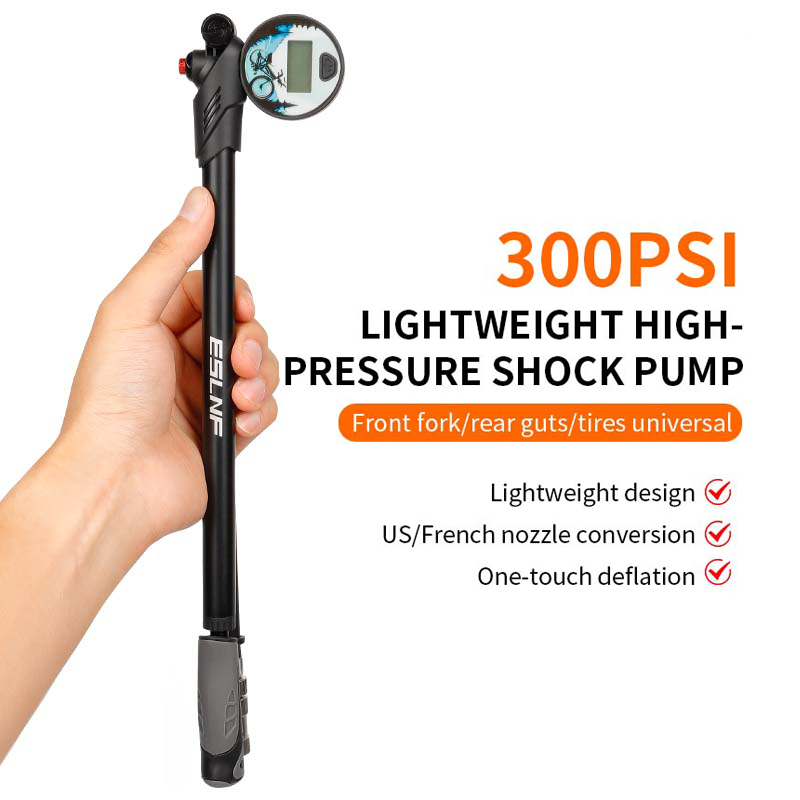
High Pressure 300PSI Air Suspension Fork Pump with Gauge
- CNC aluminum alloy barrel
- Micro-adjust bleed button (2-3 PSI)
- Max 300 PSI industrial gauge
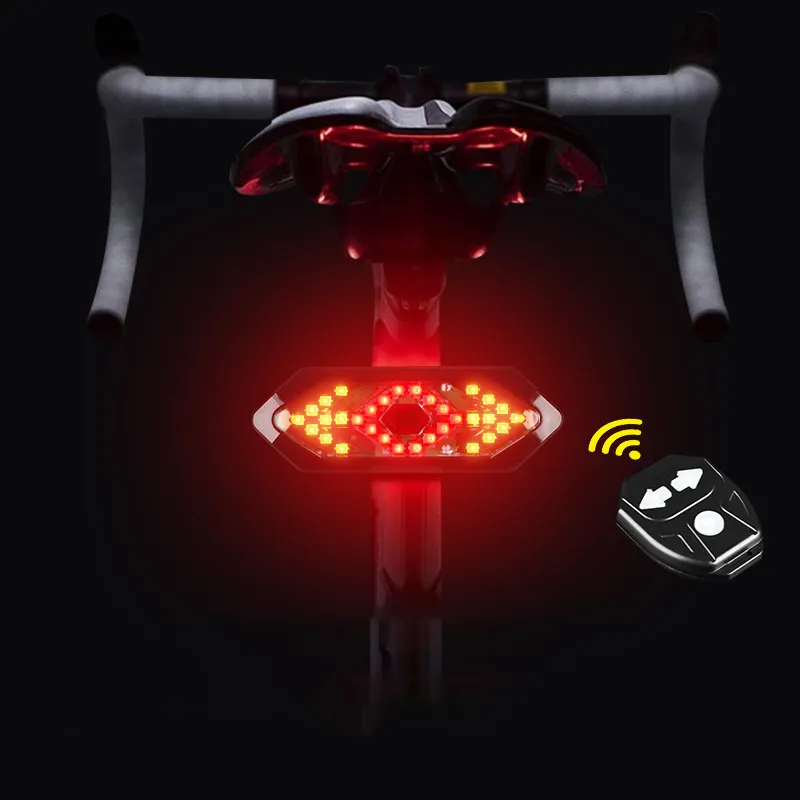
ESLNF Wireless LED Tail Light with Turn Signals & Alarm
- 120dB theft deterrent alarm
- Wireless handlebar controller
- IPX5 waterproof rating
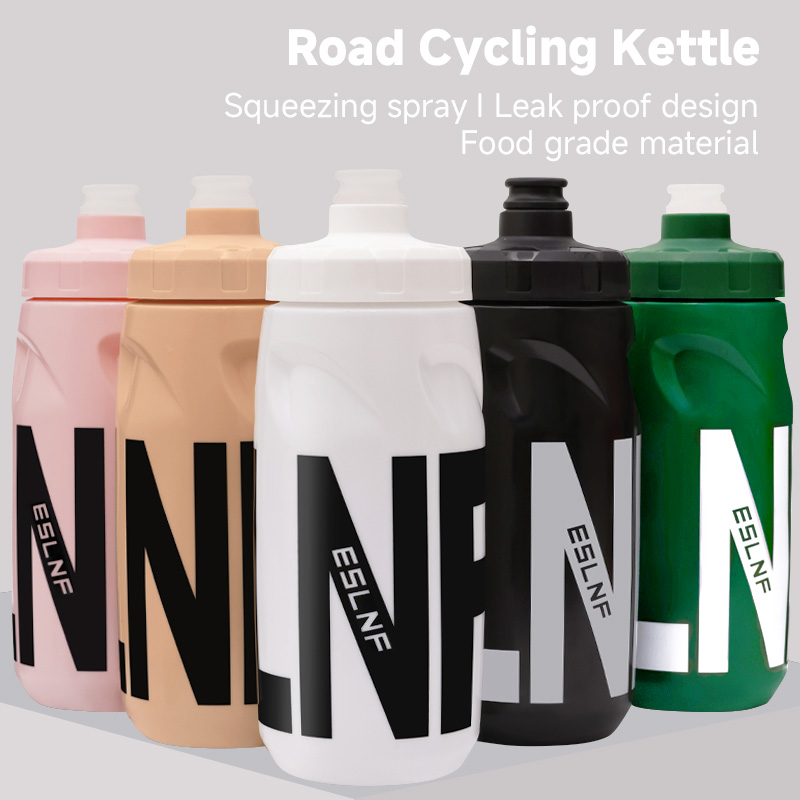
ESLNF 620ml Ergonomic Fast-Flow Cycling Water Bottle
- Medical-grade PP5 material
- Self-sealing silicone jet valve
- Custom branding MOQ: 100 pcs
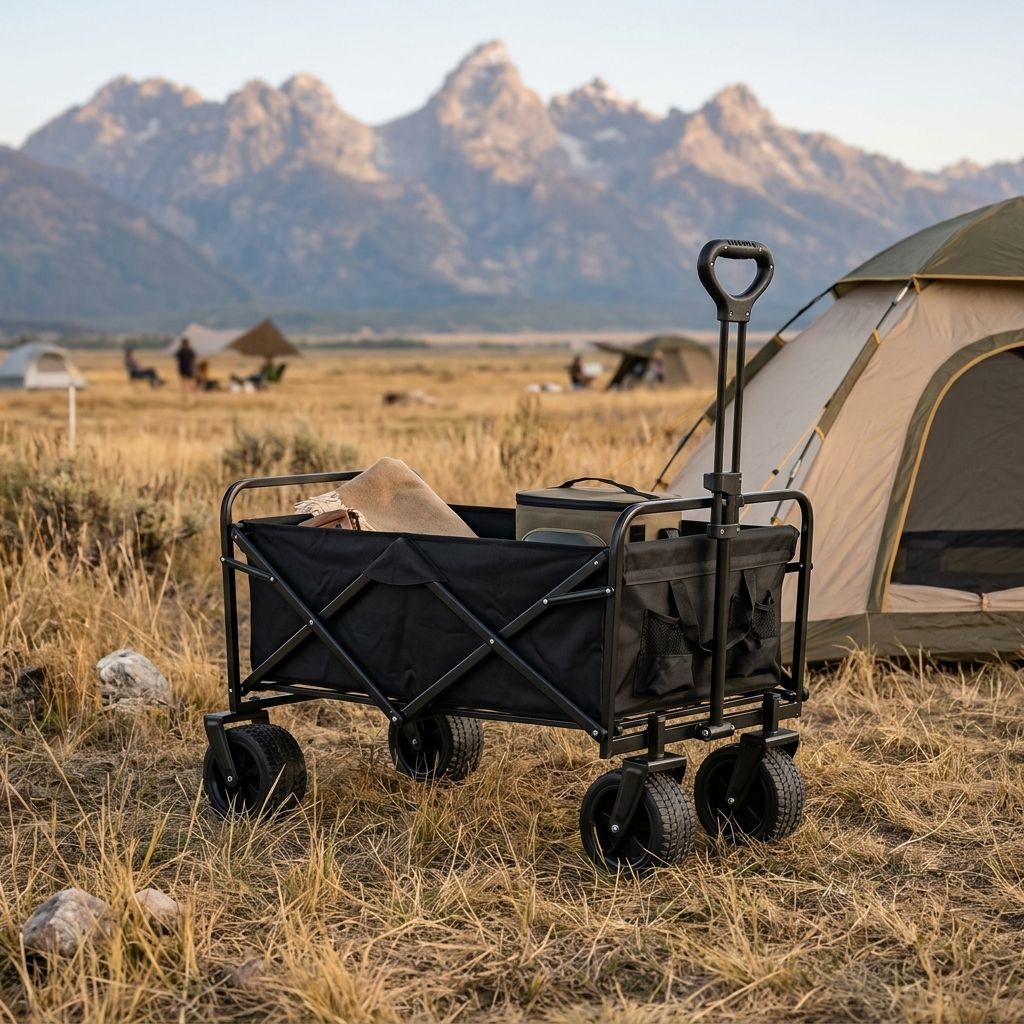
ESLNF Foldable Utility Wagon Cart (OEM Waterproof Oxford)
- 600D dual-layer Oxford fabric
- High-tensile steel frame: 120kg load
- All-terrain wide bearing wheels
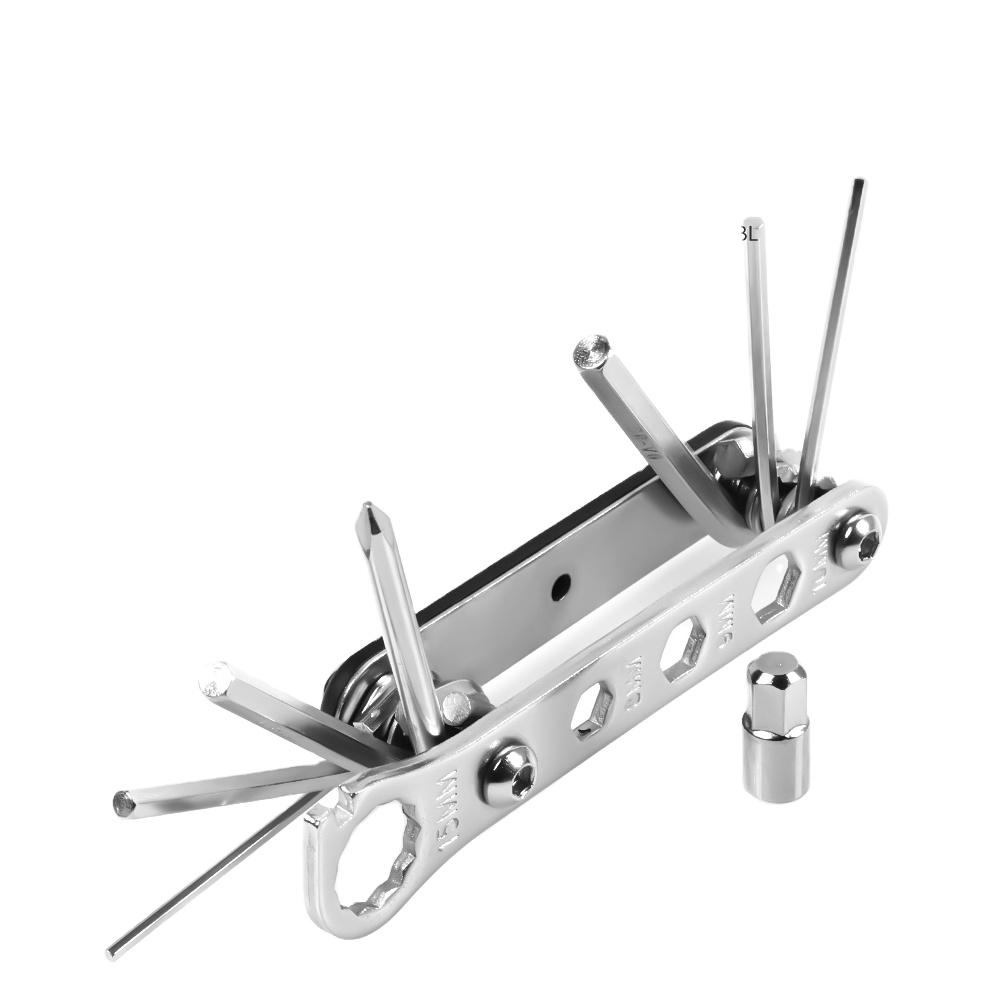
13-in-1 Compact Folding Bicycle Multi-Function Tool
- Chrome Vanadium anti-rust bits
- Integrated chain tool & spoke wrench
- Anodized aluminum side plates
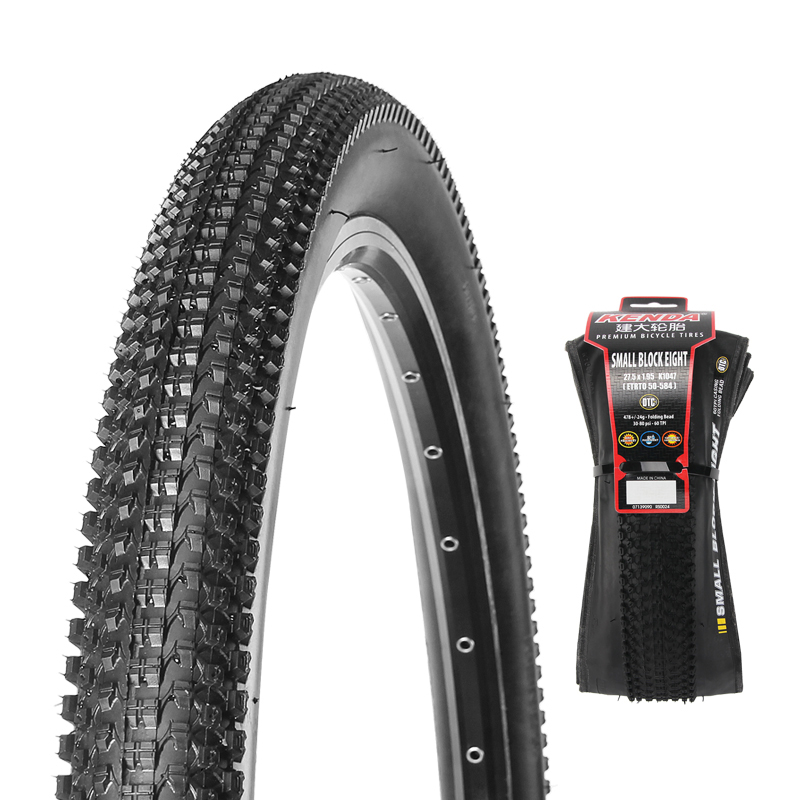
60TPI Casing Foldable All-Terrain Fat Bike Tire
- High-density 60 TPI supple casing
- Aramid foldable bead construction
- Sand & rocky trail compound
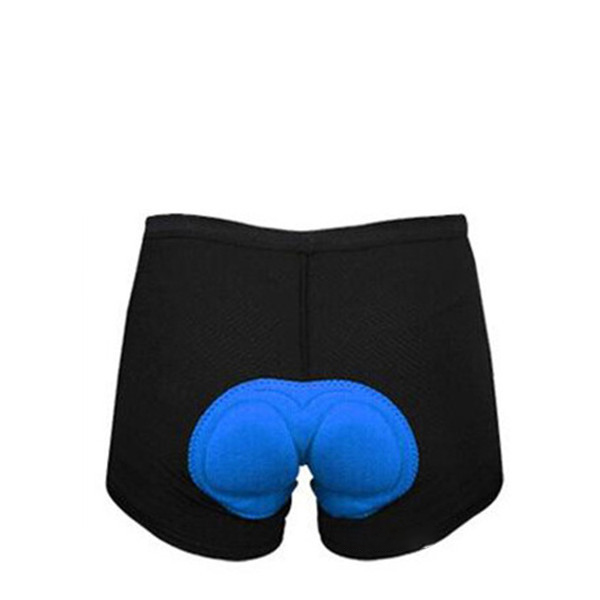
High-Elastic Sponge Gel Padded MTB Underwear Shorts
- High-density multi-thickness gel
- Breathable moisture-wicking mesh
- Flatlock anti-chafing seam layout
Engineering Saddles for the Metropole d'Aix-Marseille-Provence
Urban micromobility infrastructure, harsh coastal microclimates, and rugged gravel terrains impose uncompromising demands on bicycle saddle manufacturing.
Corniche Kennedy & Mediterranean Salt-Mist Resistance
Marseille's littoral routes, spanning from the Old Port along the Corniche du Président John Fitzgerald Kennedy toward the Prado beaches, expose bicycle components to high salinity, heavy humidity, and intense ultraviolet solar radiation. Kenus bike seats utilize marine-grade anti-corrosive electro-deposited (ED) steel rails or ultra-resilient carbon-fiber composites. Our polyurethane covers and additive 3D-lattice matrices undergo 96-hour neutral salt spray tests (ASTM B117 / ISO 9227) to ensure total prevention of rail oxidation, foam delamination, and UV-induced embrittlement.
Massif des Calanques: Heavy-Duty Enduro & Gravel Shock Absorption
The rocky, limestone-strewn descents of the Calanques National Park demand high-damping compliance. Off-road mountain bikes and all-road gravel riders face continuous high-frequency vibrations that lead to rider fatigue and lower lumbar compression. Kenus manufactures dual-density elastomer suspensions and anatomic hollow-channel saddles. Using multi-zone digital light synthesis (3D-printed honeycomb elastomer), our seats disperse sit-bone peak pressures by up to 34% compared to conventional EVA foam, shielding perineal nerve pathways across severe rocky gradients.
Plan Vélo Metropolitain: High-Duty Cycle Urban Fleets
With the aggressive expansion of the Marseille "Plan Vélo" extending segregated cycling lanes across Boulevard Michelet, Rue Paradis, and the L2 bypass, shared commercial fleets ("Le Vélo") and last-mile cargo e-bikes experience all-day cycling usage. Commercial operators require puncture-resistant, tear-resistant, vacuum-molded PU tops with integrated rear handle grips and rear safety reflector strips. Kenus supplies municipal suppliers with heavy-duty vandal-resistant saddle configurations that withstand heavy daily usage without water ingestion during torrential Mediterranean autumn downpours.
Technical Comparison: Performance Saddles for EU Importers
Comparing industrial saddle platforms engineered to comply with European Directive 2001/95/EC and EN ISO 4210-9 safety mandates.
| Evaluation Parameter | 3D-Printed Carbon Honeycomb | High-Density Vacuum PU Saddle | Heavy-Duty E-Cargo / Urban Commuter |
|---|---|---|---|
| Primary Target Application | Road Competition, Gran Fondo, Performance MTB | Gravel Touring, Sport Fitness, Rental Fleets | Marseille Urban Commute, E-Cargo Delivery |
| Cushioning Technology | Elastomeric Photopolymer Lattice (DLP) | High-Rebound Viscoelastic Polyurethane | High-Density Memory Gel + Twin Elastomer Springs |
| Base Shell Construction | Short-Fiber Reinforced Carbon Composite | Tough Polypropylene (PP) with Anatomic Relief | Impact-Engineered Nylon/Fiber Composite |
| Rail Material & Treatment | 7x9mm Toray T700 High-Modulus Carbon | 7mm Cr-Mo Alloy with Anti-Rust ED Finish | Heavy-Duty 7mm High-Tensile Steel, Black ED |
| Fatigue Endurance (ISO 4210) | 200,000 cycles @ 1,000 N Dynamic Load | 200,000 cycles @ 1,000 N Dynamic Load | 250,000 cycles @ 1,200 N Dynamic Load |
| Weather & UV Resistance | Hydrophobic, 100% Waterproof, UV-Resistant | Seamless Vacuum Thermoforming (Zero Leak) | Reinforced Side Scuff Guards, Weather-Proof |
| Weight Profile | 165g ± 8g | 295g ± 15g | 490g ± 20g |
| CE & REACH Compliance | Full REACH & CE | Full REACH & CE | Full REACH & CE |
Key Procurement Vectors Shaping the Marseille Cycling Sector
Evaluating regulatory shifts, decarbonization policies, and maritime logistical tailwinds across the Provence-Alpes-Côte d'Azur (PACA) market.
The "Plan Vélo" & Regional Decarbonization
With an investment program exceeding €180 million aimed at completing more than 400 kilometers of secured cycling lanes across the Bouches-du-Rhône department by 2030, cycling modal split targets are climbing from 2% to over 9%. B2B wholesalers, bike assembleurs, and fleet contractors are restructuring supply chains to source OEM saddles that meet elevated ergonomics, long duty cycles, and strict non-toxic material regulations mandated by French public tenders.
Mediterranean E-Bike Fleet Surge
Marseille’s dramatic topography—characterized by steep ascents toward Notre-Dame de la Garde and the hills of Roucas-Blanc—has driven an unprecedented explosion in electric bicycle (E-bike) adoption. Electrically power-assisted cycles (EPACs) alter rider biomechanics: cyclists spend less time standing on pedals and remain seated over uneven ground. This demands specialized saddles featuring rear-kicktail retention profiles, vibration-damping elastomeric inserts, and central pelvic reliefs.
Direct Port of Marseille-Fos Consolidation
Importing via the Grand Port Maritime de Marseille (GPMM) eliminates excessive transshipment fees and overland trucking emissions associated with northern European ports like Rotterdam or Antwerp. Sourcing directly from Kenus’s verified factory in Jinhua, Zhejiang, enables Mediterranean distributors to leverage streamlined maritime routes from Ningbo-Zhoushan directly to Fos Container Terminal (Fos-sur-Mer), yielding significant freight savings and predictable lead times.
Precision Manufacturing Assessed Onsite by TÜV Rheinland
Kenus Intelligent Technology Co., Ltd. operates a high-precision bicycle accessory manufacturing and export facility located in Jinhua, Zhejiang—one of the world's most sophisticated clusters for bicycle hardware, metal forming, and tooling technology.
Our operational facilities have been assessed onsite by TÜV Rheinland, with verified documentation covering our metal forming, tube constriction, robotic welding, laser marking, and functional testing lines. We combine advanced mechanical tooling with cleanroom electronics and rapid 3D prototyping.
- In-house rapid 3D prototyping prior to tooling fabrication
- Automated vacuum thermoforming and clean-edge rail finishing
- Full laboratory compliance: CE, RoHS, PSE, and EMC reports
- Comprehensive OEM branding: custom hot-stamping, rail scaling & retail packaging

 Onsite Audited Supplier
Report Verified
Frequently Asked Questions by Marseille & French Importers
Clear technical, regulatory, and logistical answers to streamline vendor onboarding and French customs clearance.
What standards govern CE certification for bicycle saddles in France?
Under French Decree No. 95-937 and EU General Product Safety Regulation (EU) 2023/988, bicycle saddles imported into France must satisfy the rigorous safety requirements of EN ISO 4210-9:2023 (Saddles and Seat-posts). Testing encompasses dynamic static load tests, vertical drop impacts, and 200,000 cycles of dynamic fatigue loading at forces exceeding 1,000 N. Kenus provides comprehensive test verification reports from accredited third-party test laboratories.
How do you ensure chemical compliance with EU REACH Regulations?
All synthetic covers (PU, PVC, microfiber), inner foam formulations, and 3D printing resins comply strictly with European Regulation (EC) No 1907/2006 (REACH). We certify that our components contain zero restricted phthalates (DEHP, DBP, BBP, DIBP), short-chain chlorinated paraffins (SCCP), or Polycyclic Aromatic Hydrocarbons (PAHs) above European threshold limits, ensuring total clearance through French DGCCRF market surveillance checks.
What are the primary Incoterms and customs codes for shipments into Port of Marseille-Fos?
We offer flexible Incoterms including FOB Ningbo/Shanghai, CIF Marseille-Fos, or DDP (Delivered Duty Paid) to your logistics warehouse in Bouches-du-Rhône or PACA region. Bicycle saddles are categorized under EU Combined Nomenclature code HS 8714.99.50.00 (Saddles/Seats for Cycles). We provide clean Bills of Lading, Commercial Invoices, detailed Packing Lists, and Certificates of Origin to expedite customs clearance through French Direction Générale des Douanes.
What Minimum Order Quantities (MOQ) apply for OEM private labeling?
For standard stock models with custom laser-marked rails or pad-printed brand logos, our MOQ starts from 300 to 500 units per configuration. For completely custom tooling involving proprietary shell geometries, molded base structures, or custom 3D elastomer lattices, initial tooling lead times range from 25 to 35 days, with pre-production prototypes delivered via rapid 3D printing within 5 business days for ergonomic validation.
How do Kenus bike seats perform against maritime humidity and coastal salt?
To prevent premature corrosion common in seaside cities like Marseille, La Ciotat, and Cassis, our steel saddle rails are coated with a protective Electro-Deposition (ED) layer or constructed with aerospace-grade 304/Cr-Mo alloy. Saddle base shells utilize UV-stabilized virgin polymer resin that resists warping or cracking from continuous exposure to Mediterranean sun and salty sea breezes.
Can we consolidate mixed container orders with other cycling accessories?
Yes. In addition to high-performance bicycle saddles, Kenus manufactures certified bicycle lights (CE, RoHS, PSE, EMC), nylon platform pedals, high-pressure suspension pumps, water bottle cages, handlebar bags, and workshop repair tools. European distributors frequently consolidate these high-turnover lines into 20GP or 40HQ containers to dramatically reduce shipping costs per unit.
Request Technical Specs & Wholesale Price Quotation
Partner directly with a TÜV Rheinland assessed custom manufacturer. Access complete technical datasheets, CAD dimensional drawings, CE compliance documentation, and direct CIF Marseille delivery schedules.