Featured Bicycle Luggage & Cockpit System Solutions
Constructed with high-frequency RF-welded TPU, saltwater-resistant 6061-T6 aluminum, and anti-corrosive fixtures designed for the coastal environment of Nukuʻalofa.
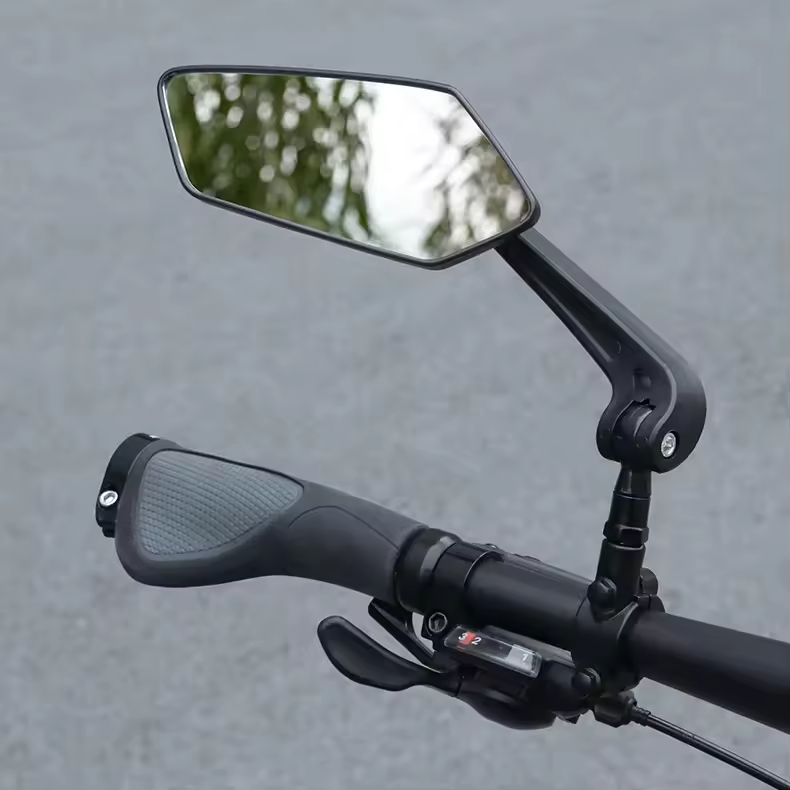
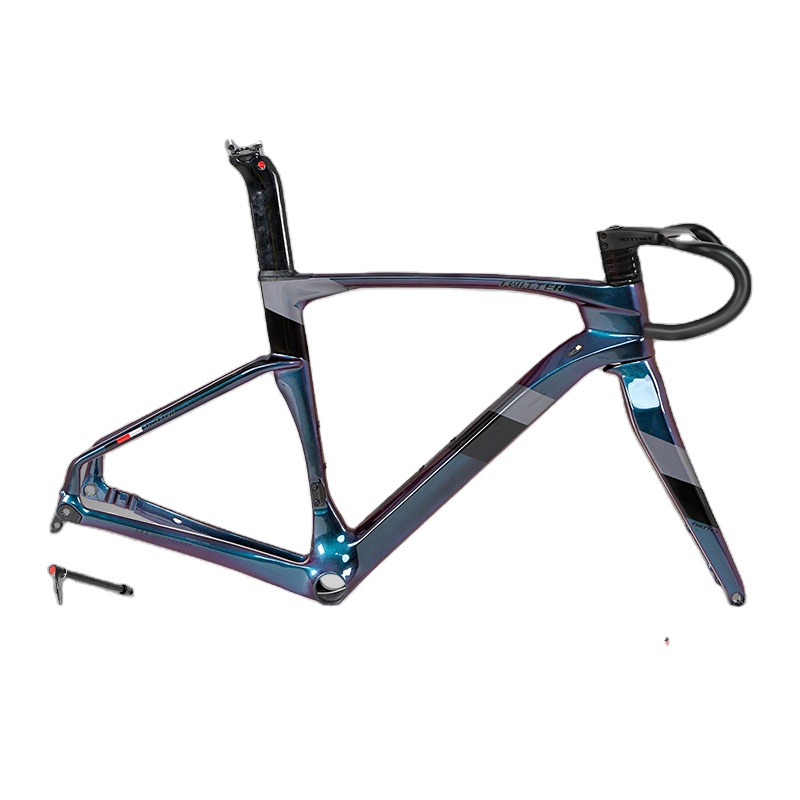
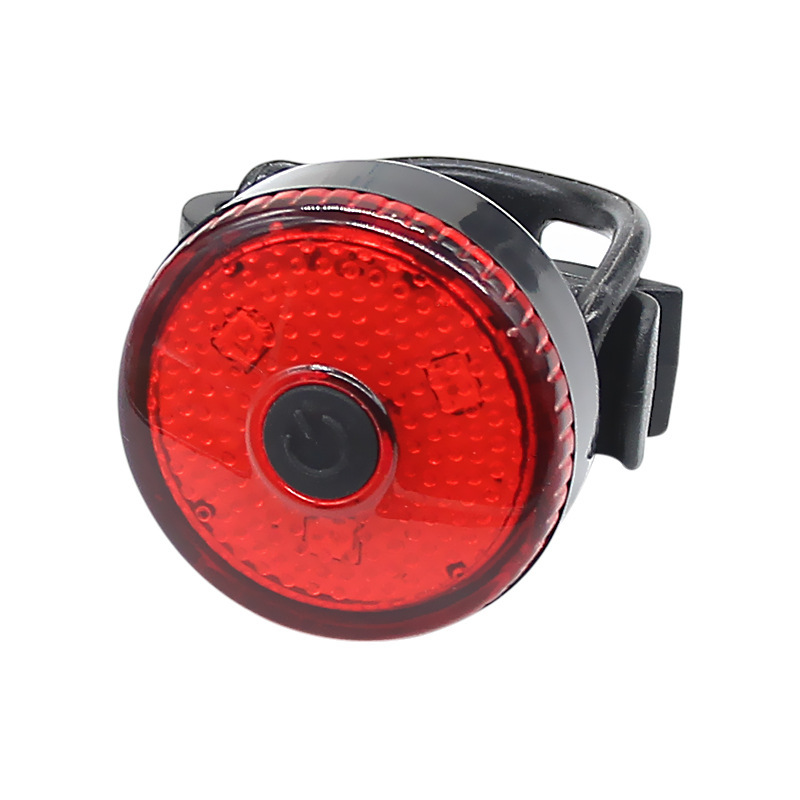
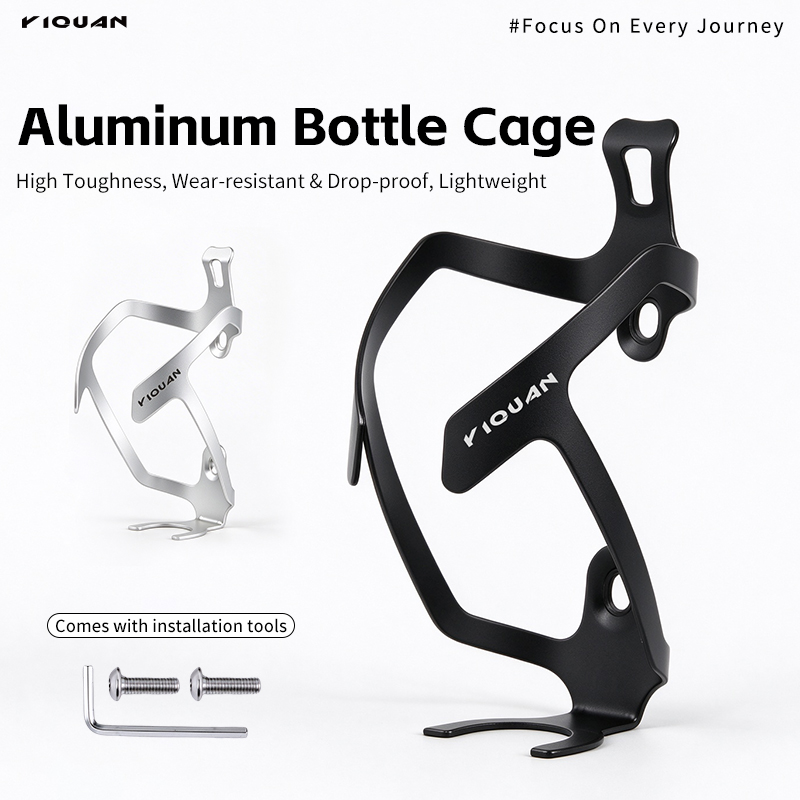
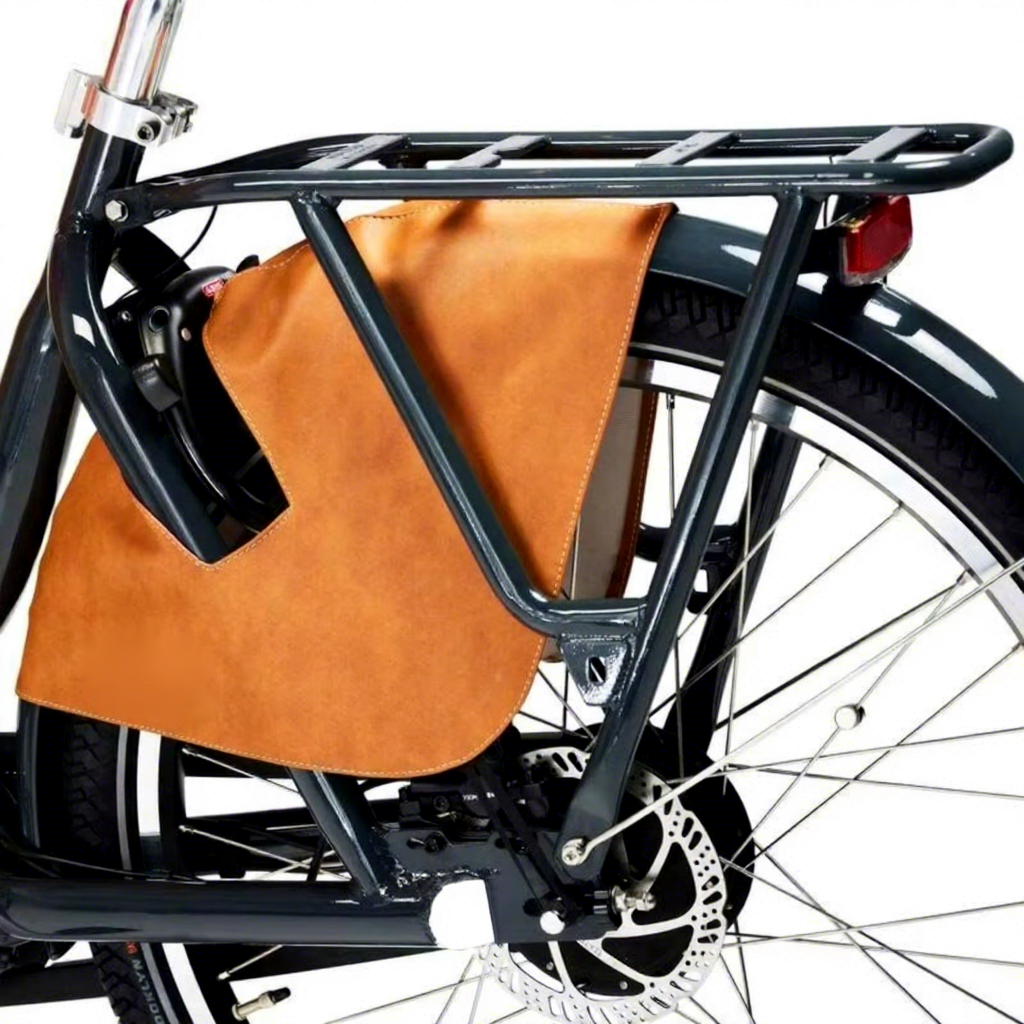
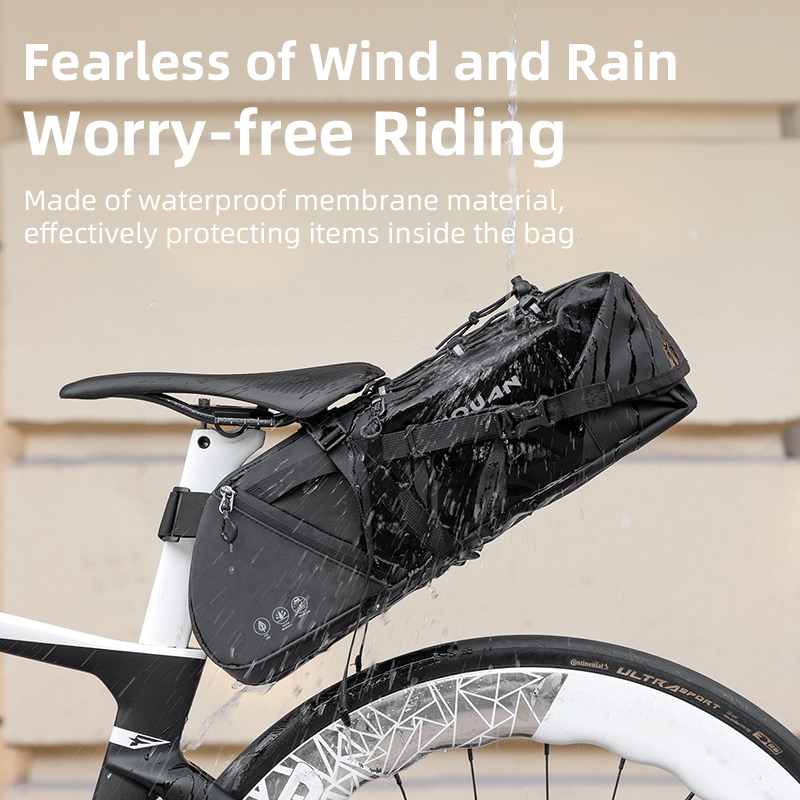
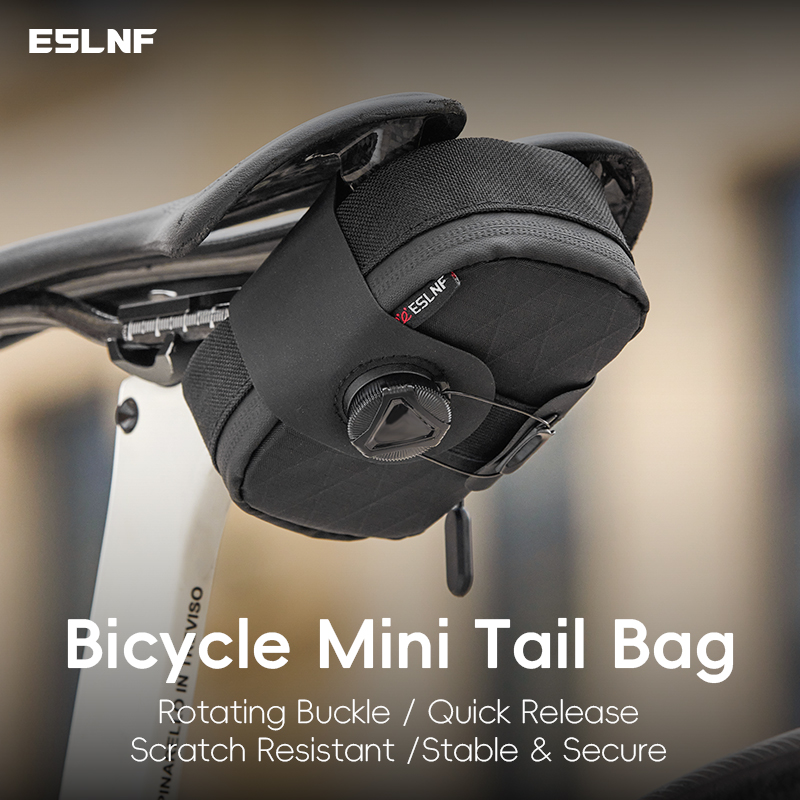
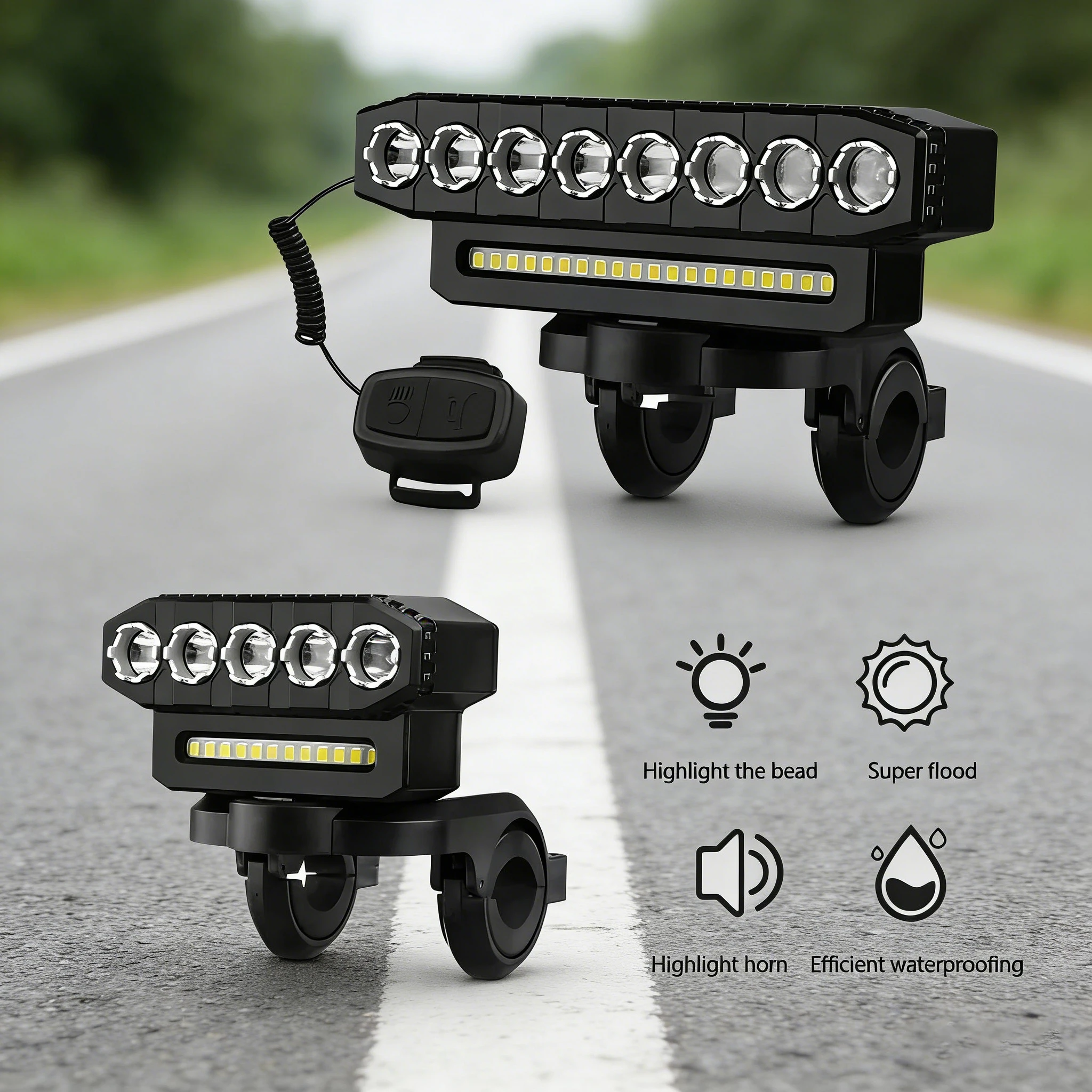
Formulating Tropical Weatherproof Standards for Nukuʻalofa Importers
The geographic reality of Nukuʻalofa and the broader Tongatapu archipelago presents severe micro-climatic hazards for standard bicycle accessories. Positioned within an oceanic tropical climate characterized by year-round atmospheric relative humidity averaging 77% to 85%, persistent maritime salt fog, and torrential sub-equatorial precipitation, conventional stitched polyester bags and zinc-plated fittings deteriorate rapidly through galvanic corrosion, thread rot, and hydrostatic seam penetration.
As premier Chinese bicycle handlebar bag manufacturers, our manufacturing facility engineers custom solutions utilizing 840D high-density thermoplastic polyurethane (TPU) composite laminates and heavy-duty 900D ripstop nylon treated with hydrophobic TPU backings. By replacing conventional stitching with dielectric Radio Frequency (RF) continuous welding, our bags achieve a true IPX6 to IPX7 ingress protection rating, preventing water infiltration even when submerged during severe coastal inundations along Vuna Road.
"In Nukuʻalofa's high-salinity environment, hardware is the primary point of failure. We systematically replace ferrous snaps and low-grade fasteners with marine-grade polyoxymethylene (POM) buckles and stainless steel 316 / anodized aluminum alloy mounts."
Furthermore, Tongatapu experiences intense UV irradiance with Solar UV Index values regularly exceeding 11+. Standard polyurethane exterior coatings degrade, yellow, and delaminate under these ultraviolet conditions within six months. Our export-grade production uses aliphatic UV inhibitors formulated directly into the TPU matrix, ensuring the structural stability, flexibility, and colorfastness of custom-branded merchant bags across years of daily service.
Localized Application Scenarios in Nukuʻalofa & Tongatapu
From eco-resort rental fleets to daily urban transit along Taufaʻahau Road, our bag designs are tailored to exact Pacific operational demands.
Eco-Tourism & Outer Island Expeditions
Tonga's expanding sustainable tourism sector demands robust gear for independent travelers exploring the Ha'amonga 'a Maui trilithon, Mapu 'a Vaea blowholes, and offshore boat-transferred excursions. Our handlebar bags feature quick-release modular mounting and detachable shoulder straps, allowing cyclists to instantly transition cockpit storage into a dry shoulder bag for coral reef snorkeling stops and boat landings without exposing digital cameras or passports to moisture.
Nukuʻalofa Commuter & Commercial Fleets
Rising imported petroleum costs in the South Pacific have triggered a strategic transition toward utility cycling and commercial electric cargo bicycles across Nukuʻalofa's central business district. Handlebar bags act as the crucial primary cockpit organizer for mobile phones, cash registers, delivery manifests, and maintenance gear. The vibration-dampened 3-point harness system prevents bag sagging and tire rubbing over unpaved coral aggregate shoulders.
Institutional & Disaster Resilience Mobilization
Pacific Small Island Developing States (PSIDS) face acute climate vulnerabilities. Municipal bodies, emergency respondents, and Pacific community health workers operating out of Tongatapu require emergency responder cockpit kits. Our sealed handlebar bags house satellite communicators, primary first-aid equipment, and rechargeable light batteries, maintaining an airtight dry micro-environment through tropical cyclone season (November to April).
| Performance Characteristic | Standard Commercial Bag (Generic Market) | Kenus Factory Export Specification for Nukuʻalofa | Operational Value for Tonga Importers |
|---|---|---|---|
| Primary Shell Textile | 600D Polyester with PVC backing | 840D/900D Nylon laminated with dual-sided Ether-TPU | Eliminates PVC hydrolysis; resists salt cracking and mold blooms. |
| Joining Technology | Single/Double Needle Stitch with glued PU tape | High-Frequency Dielectric Seam Fusion (Welded) | Zero needle punctures; impervious to monsoon storm downpours. |
| Closure Interface | Standard #5 coil zipper with cloth slider | Roll-top hermetic seal + IPX7 TPU airtight tooth zipper | Prevents salt crusting, jamming, and hydrostatic leakage. |
| Harness & Mount Rigidity | Thin Velcro straps with plastic D-rings | Hypalon reinforced tabs + POM quick-release buckles | Maintains cockpit stability over rough coral gravel roads. |
| Electronics Integration | Standard PVC clear film (yellows under UV) | 0.3mm Optical-Grade TPU Touchscreen Window | Full tactile responsiveness for navigation during tropical downpours. |
Pacific Micro-Mobility & E-Bike Trends (2025–2030)
Understanding macro-economic structural shifts driving cycling gear consumption in Tonga and neighboring Polynesian territories.
The Decarbonization and Tourism Surge in Tongatapu
Tonga's Strategic Development Framework (TSDF II) and regional Pacific NDC hubs emphasize renewable transport and energy self-reliance. As electric pedal-assist bicycles (e-bikes) enter Nukuʻalofa through multilateral climate grants and private retail distributors, the demand for accessories engineered to handle electrical load compatibility has grown exponentially. Cyclists and fleet operators require handlebar bags capable of securely housing heavy supplemental lithium-ion range-extender batteries (weighing 2.5 kg to 4.5 kg) directly on the cockpit without causing steering deflection.
Simultaneously, the revival of international cruise liner docks at Queen Salote Wharf has created a booming day-tour bicycle rental market. Operators are upgrading generic bicycles with high-visibility bags, integrated smartphone mounts, and unified front-rear illumination systems. Chinese direct-factory OEM sourcing allows Tongan entrepreneurs to eliminate multiple tiers of third-party Oceanic trading companies in New Zealand and Australia, capturing 35% to 50% gross margin improvements.
Regional Supply Chain Aggregation Advantages
Because Nukuʻalofa represents a focused market with distinct consolidation challenges, few domestic importers can justify buying 10,000 units of a single SKU. Our Jinhua manufacturing facility solves this container utilization hurdle. Through our comprehensive cycling portfolio—encompassing handlebar dry bags, CNC alloy bottle cages, 3D printed carbon saddles, and CE-marked smart lighting—merchants can consolidate an entire comprehensive cycling ecosystem under one single Bill of Lading (B/L).
This consolidation strategy avoids excessive LCL (Less than Container Load) clearance fees at the Port of Nukuʻalofa customs gate, simplifies compliance documentation, and enables uniform private-label branding across cockpit bags, saddles, and safety lights.
Engineered by Kenus Intelligent Technology Co., Ltd.
Based in Jinhua, Zhejiang—the global epicenter of bicycle hardware, metal fabrication, and technical performance textiles—Kenus represents an audited, high-precision manufacturing partner for Oceanic distributors. We operate dedicated tube reduction lines, multi-axis automated welding cells, automated laser engraving machinery, and cleanroom textile RF welding suites.
With annual production values spanning US$2.5M to US$5M and established logistics pipelines into Europe, the Americas, and Oceania, our design team turns 2D conceptual sketches into functional rapid 3D prototypes within 72 hours, ensuring rapid turnaround for private label requests.
Frequently Asked Questions for Sourcing to Tonga
Clear technical, logistical, and commercial answers for retail proprietors, fleet operators, and procurement officers in Nukuʻalofa.
What is the standard sea freight routing and lead time from Ningbo/Shanghai to Nukuʻalofa?
Ocean freight dispatches from Ningbo or Shanghai port via direct feeder transshipment through Suva (Fiji) or Auckland (New Zealand), docking directly at Queen Salote Wharf in Nukuʻalofa. Standard sea freight transit schedules range between 24 to 35 days depending on transshipment connectivity. We supply complete export packs (commercial invoice, packing list, certificate of origin, Bill of Lading) for streamlined customs processing.
How do your handlebar bags prevent mold and seam failure in humid container shipping?
Cross-equatorial oceanic shipping involves massive temperature and humidity differentials ("container rain"). We pack every individual handlebar bag inside sealed, moisture-barrier polybags containing pharmaceutical-grade silica gel desiccant packs. The synthetic non-porous TPU and ripstop nylon fibers inherently resist fungal bloom and bacterial mold, ensuring pristine retail presentation upon arrival in Tongatapu.
What are the minimum order quantities (MOQ) for custom private-label branding?
For factory in-stock models, trial sampling orders start as low as 2 pieces for verification. For custom silkscreen or high-frequency debossed brand logos on our bicycle handlebar bags, our entry MOQ is 100 to 200 units. For fully customized bag dimensions, custom textile colors, or personalized tooling, production runs generally start at 500 units.
Can we consolidate bicycle lights, handlebar bags, tools, and saddles in a single container?
Yes. One of our primary competitive advantages for island markets is unified SKU consolidation. Importers can mix full handlebar luggage arrays with USB rechargeable lighting, ergonomic shock-absorbing saddles, nylon-composite pedals, and workshop repair stands into a single combined carton shipment or LCL cargo, drastically slashing ocean shipping overhead and clearing under one customs entry.
How do you guarantee mounting stability on different handlebar diameters (MTB, Road, Cruiser)?
Our handlebar bags utilize engineered three-point mounting geometry featuring multi-position Hypalon ladder loops and high-friction rubberized spacers. They are universally compatible with standard 22.2mm, 25.4mm, and 31.8mm oversized handlebars. The anti-rotation lower headtube retention strap prevents forward bucking or oscillation over uneven crushed-coral or dirt surfaces across Tongatapu.
What third-party testing reports back up your factory quality claims?
Our factory is independently verified on-site by TÜV Rheinland with public assessment reports. In addition, our electrical products carry CE (SIT230614230201E), RoHS (SIT240417230101R), PSE (SIT240226230301P), and EMC (SIT250212230201ER) inspection certs. Textile luggage lots undergo automated tensile testing and seam hydrostatic pressure burst tests prior to dispatch.