Featured Commercial Cycling Gear & Workshop Solutions
Factory-direct consolidation lines tested onsite for Charlestown bike retailers, urban delivery operators, and international private label distributors.

Thermodynamic Regulation, CNC Metallurgy & High-Pressure Seal Architecture
B2B procurement teams must look past exterior anodization. A commercial-grade CO2 bike inflator relies on thermodynamic regulation, micro-metering valves, and cryogenic O-ring chemistry.
Cryogenic Gas Expansion Control
When an unthreaded or threaded 16g/25g liquid CO2 cartridge is pierced, the pressure drops instantly from ~850 PSI to ambient. This rapid drop causes severe Joule-Thomson cooling, dropping the inflator body down to -20°C (-4°F) in seconds. Our CNC heads incorporate thermal break barriers and cryogenic Viton/HNBR internal seals that resist embrittlement and gas blow-by during sudden thermal contraction.
Controlled-Release Needle Valves
Traditional "push-to-inflate" chuck heads dump high-pressure gas all at once, risking tube pinch, frozen valve cores, and unseated tubeless beads. Our Charlestown-bound OEM models feature threaded micro-needle control dials. Cyclists can feed a controlled 5 PSI burst to position the tube inside the tire casing before releasing the remaining 90-110 PSI to fully seat the tire bead.
Presta & Schrader Auto-Detection
Our twin-valve chuck assemblies use dual-density silicone washers with tight inner tolerances (±0.03mm). They grip standard road Presta valves securely under 120 PSI backpressure without stripping threads, and switch directly to auto Schrader valves without requiring adapters, teardowns, or reversing gaskets on the roadside.
| Evaluation Parameter | Kenus Precision CNC 6061-T6 Inflators | Standard Die-Cast Zinc Alloys | Injection Molded Nylon Hybrids |
|---|---|---|---|
| Metallurgical Base | Aviation 6061-T6 Billet Aluminum (Hard Anodized) | Zamak-3 Die Cast Zinc Alloy | PA66 GF30 Reinforced Composite Body |
| Cartridge Interface | Precision CNC cut 3/8"-24 TPI with hardened steel pin | Punched soft zinc threads (prone to cross-threading) | Brass insert molded into composite shell |
| Thermal Insulation | High-density EVA closed-cell foam frost sleeve included | Bare metal without sleeve (severe cold-burn risk) | Self-insulating composite structure |
| Seal Durability at -20°C | Cryogenic HNBR / Viton O-Rings | Standard NBR (hardens and develops micro-leaks) | Standard EPDM (variable seal under freeze cycles) |
| Tubeless High-Volume Flow | Instant-burst needle bypass (~1.8 seconds full dump) | Restricted internal port (slow flow, valve freeze) | Narrow chamber restricted flow profile |
| Charlestown Salt-Fog Proof | Mil-Spec Type III Anodizing (passed 96hr ASTM B117) | Uncoated or chromate (pits in coastal maritime air) | Corrosion-proof plastic, but steel screws rust |
Charlestown Cycling Realities: Pavement, Cold Fronts & Salt-Air Durability
Supplying cycling accessories to Charlestown requires an understanding of the local geography—from historic brick walkways and cracked asphalt along Medford Street to wet, salty breezes off Boston Harbor and the Mystic River.
Built for Rugged Urban Commutes and Nor'easter Cold
Charlestown riders face varied, demanding cycling conditions. Daily commuters cross the North Washington Street Bridge into Downtown, run along Rutherford Avenue, or head past the Bunker Hill Monument. Cobblestones, rough asphalt, and recessed trolley tracks put constant stress on tire casings, making rapid pinch flats a frequent issue.
When winter hits Massachusetts, sub-zero wind chills make standard mini-pumps slow and frustrating. Pumping 120 strokes with frozen fingers on a slushy roadside is impractical. A high-output Kenus CO2 inflator re-pressurizes a 700x28c commuter tire or 700x45c gravel setup to 85 PSI in under two seconds, letting riders get back on the move before their hands freeze.
- Salt-Air Anodization Protection: Built to withstand coastal moisture and winter road salts from Sullivan Square down to the Charlestown Navy Yard without valve corrosion or seized threads.
- Tubeless Bead-Seating Muscle: Delivers the fast, high-volume air burst needed to seat tubeless tires along the gravel sections of the Mystic River paths.
- Compact Cockpit Footprint: Fits neatly into compact saddle bags or jersey pockets alongside tire levers and multi-tools.

Charlestown & Greater Boston Procurement Trends: 2025–2028
Data-driven inventory guidance for retail shop buyers, fleet procurement leads, and cycling accessory brands across the Northeast.
Tubeless Gravel & All-Road Surge
As mixed-surface routes grow popular along the Northern Strand Trail and rural New England corridors, tubeless tires are quickly becoming the regional standard. Charlestown bike shops report higher demand for high-flow inflator heads that work with 25g cartridges, giving riders the rapid gas volume needed to re-seat tubeless tires during unexpected bead burps.
Micromobility Fleet Upgrades
With more cargo e-bikes and corporate delivery couriers operating around Sullivan Square and the Boston harbor front, fleet mechanics need quick, portable inflation options. Instead of running back to stationary compressors, mobile maintenance teams carry regulated CO2 cartridge chucks to resolve flat tires in under two minutes, protecting delivery uptime.
Direct-to-Consumer Custom Laser Branding
Northeastern cycling brands and independent bike shops are shifting away from generic unbranded accessories. By taking advantage of our factory's in-house fiber laser marking, regional brands order custom-branded CO2 inflator bodies with their shop logos, turning emergency inflation gear into a clean, professional retail item.
Kenus Production Lines: TÜV Rheinland Assessed Manufacturing
We eliminate supply chain blind spots. Every order is produced in our verified Jinhua factory, backed by on-site audits, CE/RoHS certifications, and direct engineering support.
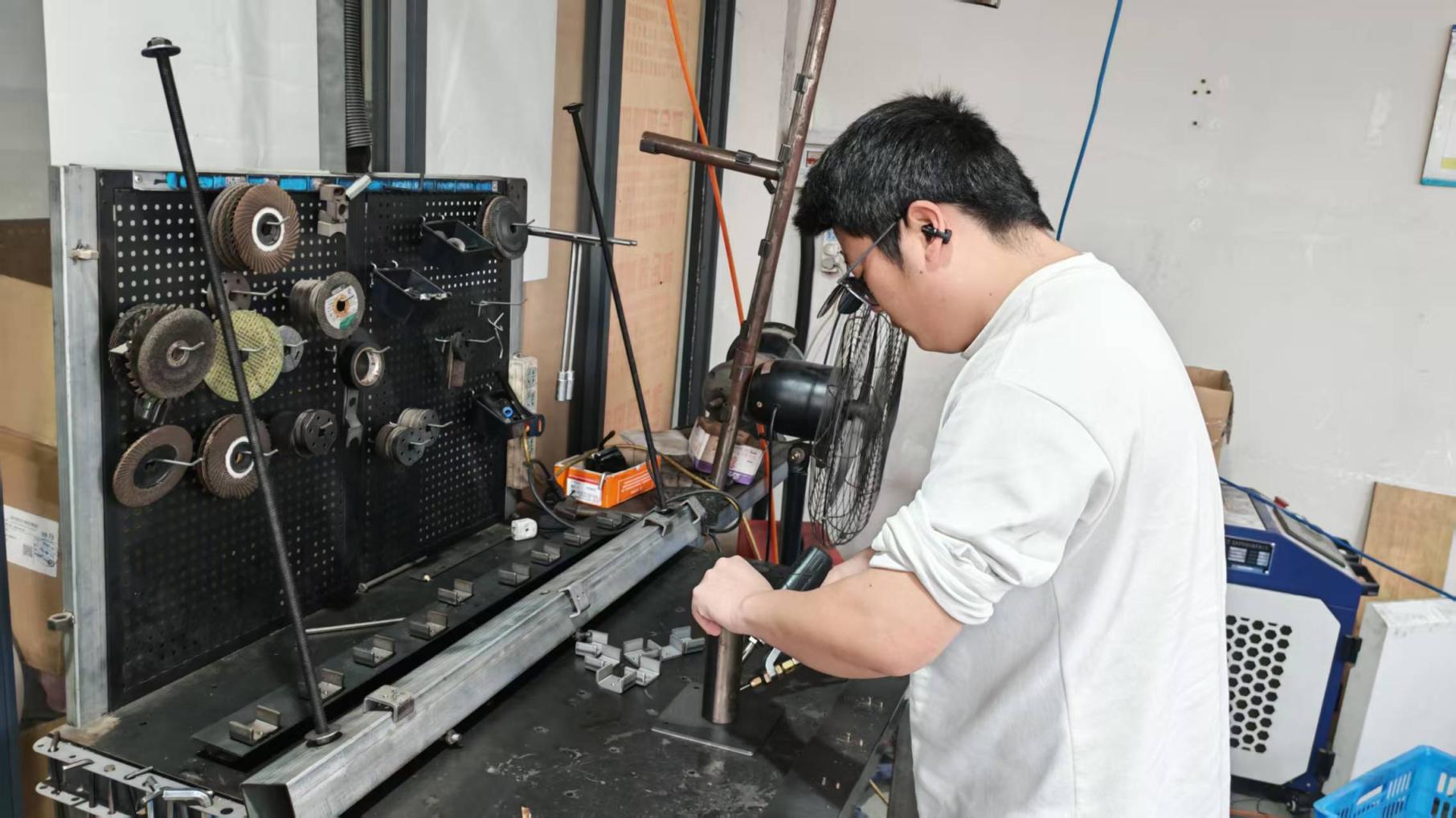
Precision CNC Machining & Forming
Our workshop handles high-speed multi-axis CNC milling, automatic threading, and tube processing. We machine inflator bodies, repair stands, and components directly from solid billet stock, keeping dimensional tolerances within strict limits.
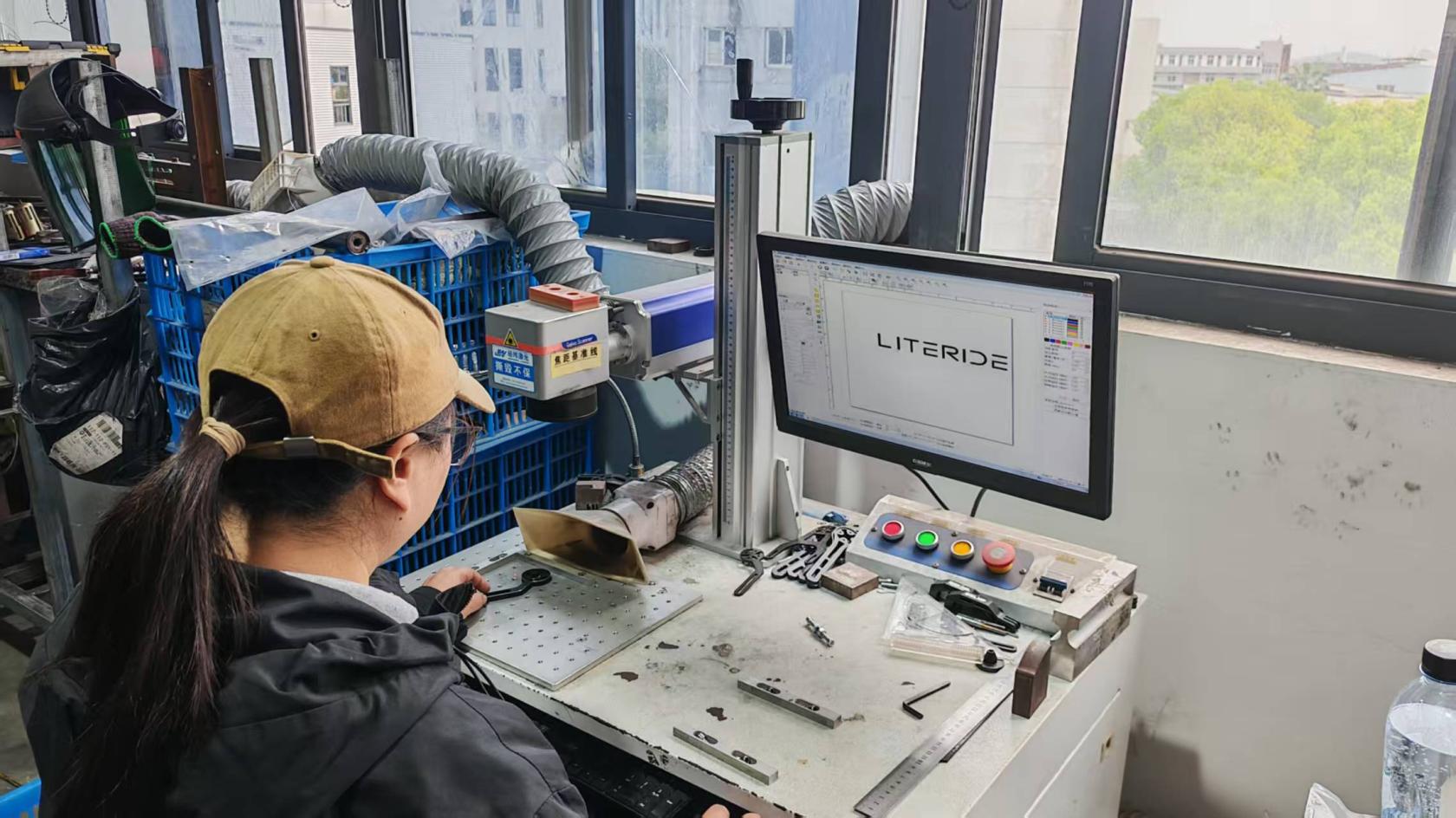
In-House Laser Marking & Finishing
Our fiber laser systems apply crisp, permanent vector logos, usage diagrams, and batch traceability codes directly to anodized metal surfaces, ensuring your brand stays sharp even after seasons of heavy use.
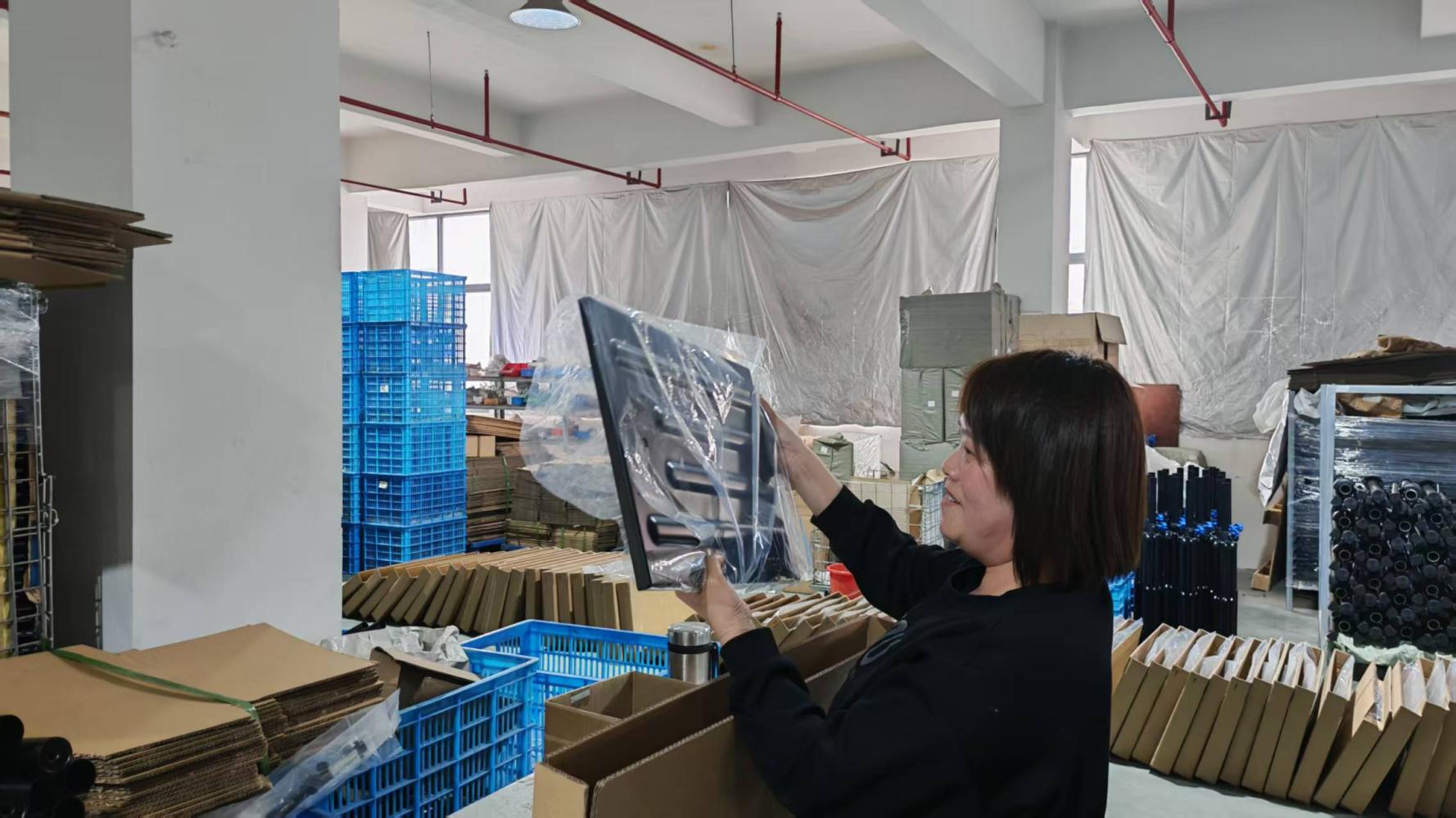
Two-Tier QA/QC Pressure Inspection
Every batch passes thorough pressure seal checks, pneumatic cycle tests, and thread wear inspections. Finished goods are reviewed once during assembly and again before final export packaging to guarantee consistent quality.
B2B Sourcing FAQ: Ordering CO2 Inflators for Charlestown
Clear, straightforward answers covering international logistics, OEM customization, and pneumatic compliance standards.
Scale Your Brand with China's Premier Bike Inflator Manufacturer
Looking to launch a custom-branded CO2 inflator line, upgrade your fleet repair kits, or expand your retail accessory catalog in Charlestown? Get in touch with our engineering team today for technical CAD files, sample units, and direct factory pricing.