Essential Lighting & High-Durability Hardware for Cuban Fleets
Engineered for extreme longevity, heat resistance, and structural stability. Review our active high-demand hardware lines configured for volume wholesale importation into Havana.
1. Havana Strategic Sourcing Context: Micromobility Under Real-World Operating Stresses
Havana represents a singular operating landscape within Latin America and the Caribbean. The urban transportation matrix across the capital—spanning Habana Vieja, Centro Habana, Vedado, and expanding into Playa and Diez de Octubre—has undergone an unprecedented structural shift toward cycling, e-bikes, and human-electric hybrid vehicles (bicitaxis). For local distributors, state procurement entities, and licensed micro, small, and medium enterprises (MiPymes), procuring bicycle lighting and accessories directly from verified Chinese industrial manufacturers is not simply an exercise in aesthetic selection; it is a critical engineering safeguard.
Unlike Western consumer markets where bicycle lamps are marketed as recreational weekend accessories, in Havana a bicycle light functions as vital safety infrastructure. Urban avenues frequently experience rolling power management cycles and unlit nocturnal corridors. Concurrently, arterial road surfaces feature uneven asphalt, vintage paving stones, and pervasive pothole hazards caused by intense tropical rains. A bike light entering this ecosystem must deliver extreme beam concentration, shockproof mechanical mounting brackets, and sustained lumen integrity across multi-hour discharge periods.
Marine Salinity Resistance
Havana's iconic Malecón waterfront subjects coastal transit to aggressive marine salt mist (C5-M atmospheric corrosivity rating). Kenus lamps utilize 6061-T6 hard-anodized alloy housings and salt-resistant silicone O-rings preventing rapid internal electrolysis.
Dual-Purpose Energy Bank
Grid instability makes multi-functional energy retention essential. Our 4,000mAh front lighting systems provide reverse-charge USB capability, functioning as emergency battery banks for mobile communication when localized electrical outages occur.
High-Impact Vibration Damping
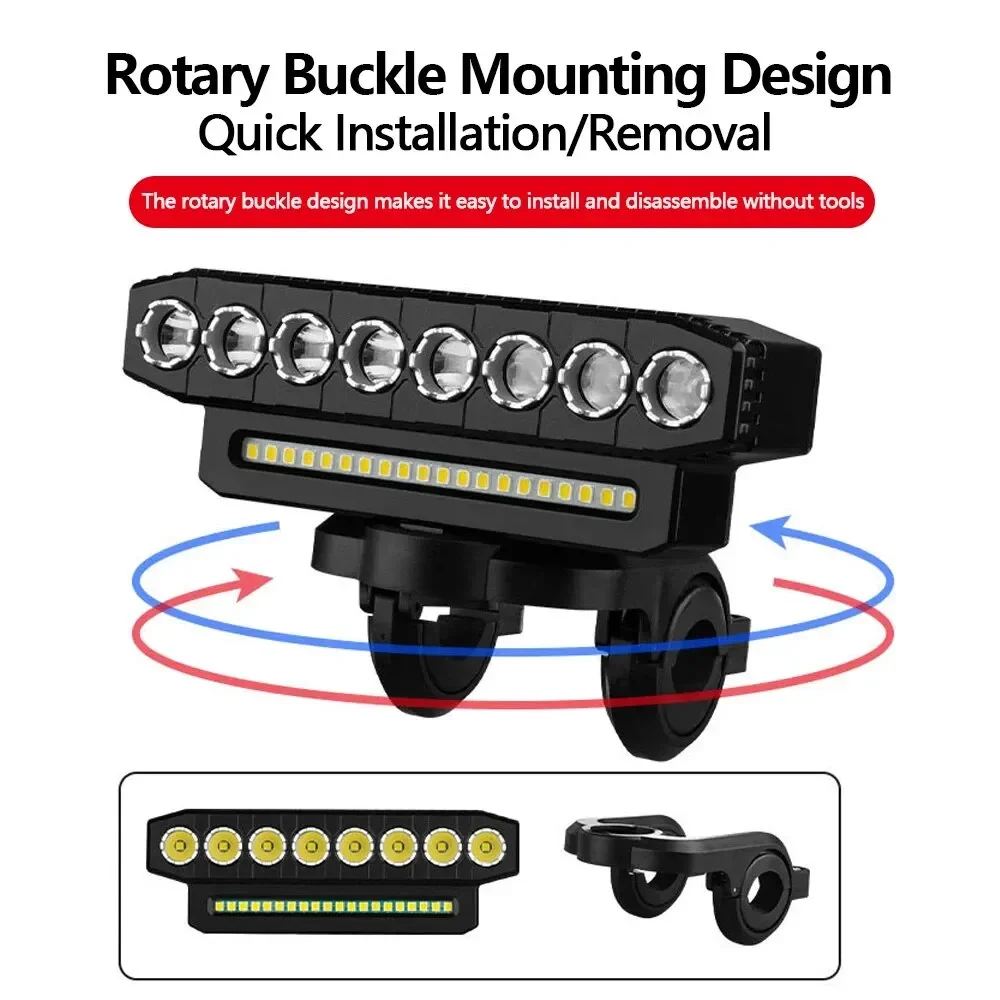
Cobblestone streets in historic quarters and degraded road beds transfer severe continuous vibration. Our reinforced nylon handlebar brackets with anti-stripping brass threaded inserts prevent mount fractures and optical drift.
Through our dedicated production base in Jinhua, Zhejiang, Kenus Intelligent Technology Co., Ltd. configures wholesale cycling components to directly address these rigorous operational variables. By maintaining complete control over precision extrusion, secondary CNC milling, surface passivation, and SMD electronics assembly, we provide Havana commercial buyers with products engineered to survive the island's unique atmospheric and infrastructural stresses.
2. Hyper-Localized Application Scenarios in Havana's Urban Fabric
Sourcing commercial bike lighting requires analyzing specific operational use cases across Havana's distinct municipal districts:
A. Commercial Bicitaxi Fleets & Nocturnal Passenger Transit
In municipalities such as Centro Habana and Plaza de la Revolución, bicitaxis provide high-frequency, last-mile passenger transit. These commercial tricycles operate on grueling 12 to 16-hour shifts, continuing long into the night. Operating in high-density pedestrian traffic requires front lighting that delivers wide-angle flood dispersion rather than a narrow spotlight beam, ensuring obstacles and pedestrians stepping off curbs are immediately visible. Furthermore, integrated electric horns (such as our 120dB horn-light hybrid) eliminate handlebar clutter while providing essential auditory warning capability without draining external batteries.
B. Commuter Transit Along the Malecón & Coastal Corridors
The daily commuter flow from Miramar and Playa toward Old Havana relies extensively on the coastal Malecón roadway. In this zone, waves constantly aerosolize seawater across the road surface. Generic imported bicycle lights with snap-fit plastic casings quickly suffer salt crusting, switch degradation, and moisture intrusion within weeks. Kenus employs ultrasonically sealed polycarbonate lenses, sealed tactile switches, and corrosion-resistant powder coatings on all mounting brackets. This protects against both maritime brine and sudden torrential downpours typical of Cuba's wet season (May to October).
C. Inter-City Highway Logistics: Vía Blanca & Autopista Nacional
Cyclists, cargo haulers, and pedal-powered logistics couriers frequently transit between Havana and surrounding agricultural or suburban areas via the Vía Blanca or the Carretera Central. These high-speed road corridors lack dedicated street illumination. Cyclists require long-range illumination (minimum 100 meters forward beam projection) alongside ultra-visible rear red strobe indicators visible at 500+ meters to alert heavy commercial transport trucks. Our 600LM to 3,250LM lighting matrix features engineered optical cut-off lines to illuminate the roadway without blinding oncoming vehicular traffic, maximizing nocturnal safety on unlit highways.
| Application Environment | Critical Engineering Challenge | Kenus Technical Specification Solution | Primary Benefit for Havana Fleets |
|---|---|---|---|
| Centro Habana & Old Havana Bicitaxis | Heavy foot traffic, extreme operating hours, cobblestones | Wide-angle TIR optics, integrated 120dB horn, reinforced clamp | Pedestrian alert without separate batteries; no mounting failures |
| Malecón Coastal Commute | High salt concentration, moisture intrusion, sea spray | IP64/IP65 waterproof rating, sealed micro-USB/Type-C, 6061 alloy | Prevents internal circuit shorting and electrolytic metal decay |
| Vía Blanca Rural Logistics | Total darkness, high-speed oncoming vehicles, battery duration | Constant-current driver, 4000mAh lithium cell, optical cut-off | 6-10 hour continuous runtime; superior roadway clarity |
3. Localized Development Trends in Cuba's Micromobility & Sourcing Sector
Understanding Havana's regulatory and commercial trajectory is vital for international distributors establishing supply channels:
A. Rapid Expansion of the Private Sector (MiPymes & TCPs)
The legislative authorization of Micro, Pequeñas y Medianas Empresas (MiPymes) and Trabajos por Cuenta Propia (TCP) has revolutionized wholesale purchasing across Cuba. Private hardware retail outlets, urban repair cooperatives, and commercial mobility fleets no longer rely exclusively on centralized bureaucratic procurement. Instead, Cuban commercial buyers actively seek direct factory relationships in China to secure high-durability inventory, eliminating intermediary distribution markups and guaranteeing parts reliability.
B. Electrification of Urban Micromobility
Faced with volatile liquid fuel supplies, Havana has embraced light electric vehicles with remarkable speed. Electric bicycles, electric scooters, and electrified bicitaxis now constitute a major percentage of daily commuter trips. This trend has radically altered lighting requirements: riders travel at higher continuous speeds (25–40 km/h), demanding higher lumen yields, broader light cones for early obstacle detection, and accessories that can tap into or charge efficiently alongside decentralized solar-charging micro-stations deployed throughout Havana's neighborhoods.
C. The Sourcing Priority: Modular Longevity & Repairability
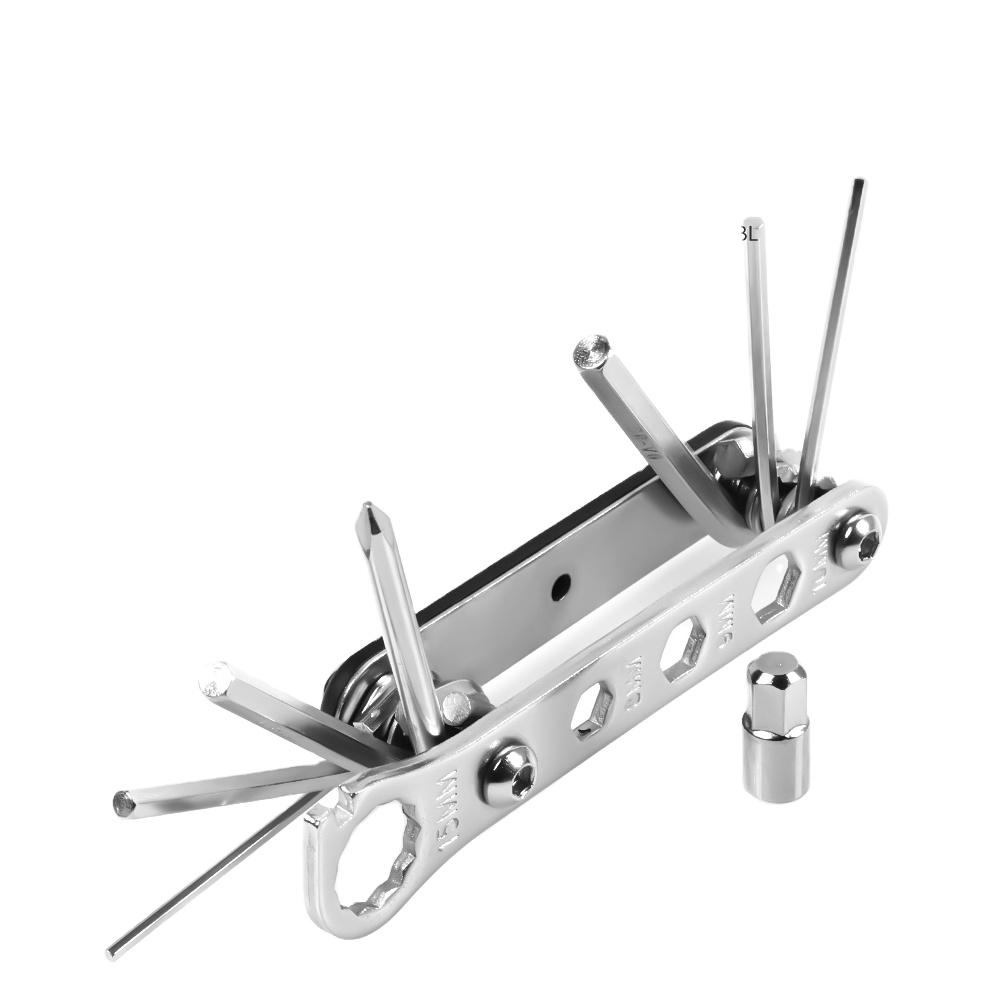
Cuba's long-standing culture of technical ingenuity and maintenance (“el ingenio cubano”) creates an intense commercial preference for modular, repairable equipment. Disposable consumer goods find little traction in Havana. Commercial buyers demand lighting systems with replaceable internal battery cells, standardized Allen-head hex fasteners, universal handlebar clamp diameters, and easily sourceable silicone sealing gaskets. Kenus designs accessories with modular serviceability in mind, enabling Havana fleet managers to maintain hardware indefinitely without retiring functional housings.
4. Havana Procurement FAQ: Trade Logistics, Tariffs, & Practical Importing
Addressing essential legal, logistical, and technical questions encountered by procurement managers importing from China into Havana:
How are LED bike lights and lithium batteries handled at Cuban Customs (Aduana)?
Under resolutions by the Aduana General de la República de Cuba and the Ministerio del Transporte, energy-efficient LED lighting equipment and personal mobility accessories enjoy preferential clearance frameworks, particularly when certified under international electrical standards. Our battery systems are supplied with UN38.3 test summaries, MSDS documentation, and CE verification to facilitate swift declaration clearance under maritime tariff regimes at Port of Mariel or Port of Havana.
What maritime freight routes and packaging safeguards are used for the Caribbean passage?
Shipments depart from Ningbo-Zhoushan or Shanghai ports, transiting directly to the Terminal de Contenedores de Mariel (ZEDM) or Havana. Due to high humidity and temperature cycling across tropical Atlantic routes, Kenus packs all optical units with industrial desiccant sachets inside sealed poly-barrier sleeves before placement into double-wall corrugated export master cartons, eliminating container rain and transit corrosion.
How do you accommodate fluctuating voltage during USB recharging in Cuba?
Havana's power grid operates nominally on 110V/60Hz, but voltage sags and surges are common during peak hours. Kenus integrated charging boards feature over-voltage, over-current, and reverse-polarity protection ICs. This ensures battery charging circuits remain completely undamaged even when connected to erratic local USB adapters, solar regulators, or 12V inverter outputs.
What is the minimum order quantity (MOQ) for MiPymes and emerging private distributors?
We actively support developing commercial networks in Cuba. While standard mass OEM container production operates at higher scales, we maintain ready-to-ship stock on critical SKUs starting from flexible trial quantities (from 2 units for evaluation to 100 units for branded batches), allowing Cuban importers to validate market demand without excessive upfront capital outlay.
5. Enterprise Verification: Kenus Intelligent Technology Manufacturing Advantages
When entering long-distance supply arrangements with Chinese manufacturing partners, institutional verification provides the foundation for commercial confidence. Kenus Intelligent Technology Co., Ltd., based in Jinhua, Zhejiang, combines audited manufacturing discipline with specialized technical capabilities:
TÜV Rheinland Onsite Audited
Our workshop, production capacity, structural tooling, and quality assurance checkpoints have undergone rigorous onsite inspection by TÜV Rheinland, documented via independently verified factory assessment reports.
Documented Global Compliance
Our lighting systems carry authentic regulatory certifications including CE (SIT230614230201E), RoHS environmental compliance (SIT240417230101R), Japanese PSE (SIT240226230301P), and EMC inspection verification (SIT250212230201ER).
Full In-House Tube & Alloy Tooling
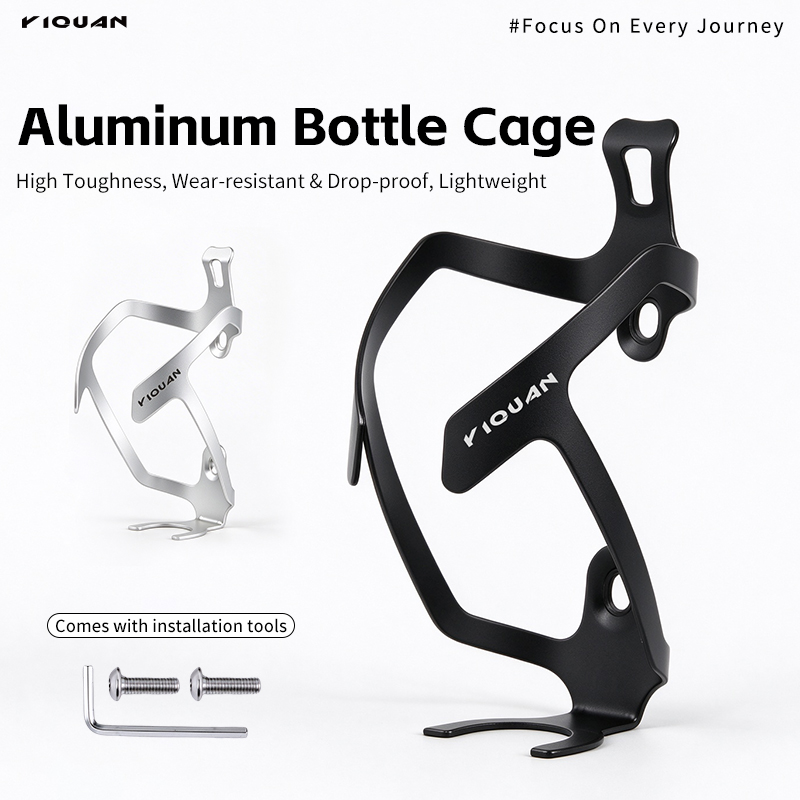
Beyond lighting electronics, our Jinhua facility operates dedicated tube reduction, constrictor units, welding bays, and laser etching suites—enabling complete hardware consolidation across lights, bottle cages, repair stands, and pedals.
As verified by cross-border commercial trade indices, Kenus maintains high industrial standings across key categories: ranking #2 in Bicycle Pedals, #2 in Bicycle Lighting, and #5 in Saddles. Our engineering department works directly from client technical drawings and employs rapid in-house 3D prototyping, allowing Cuban distributors to develop custom-branded components tailored specifically to the regional Caribbean market.