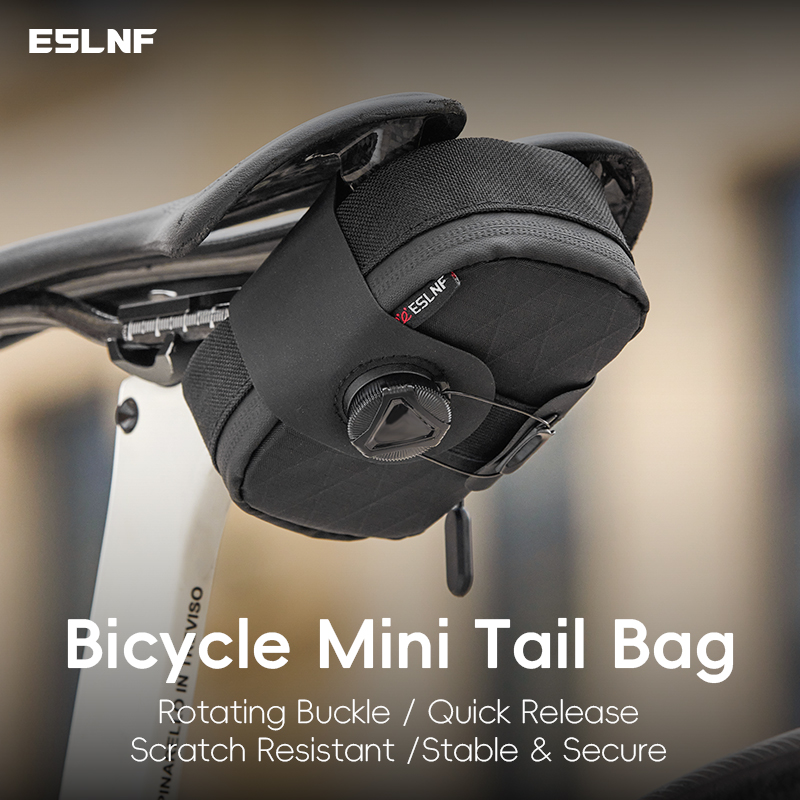
Factory Integration Selection
Engineered Components & Ancillary Systems
Tested alongside custom extruded thermoplastic fenders to ensure full chassis compatibility across European endurance, commuting, and e-mobility standards.
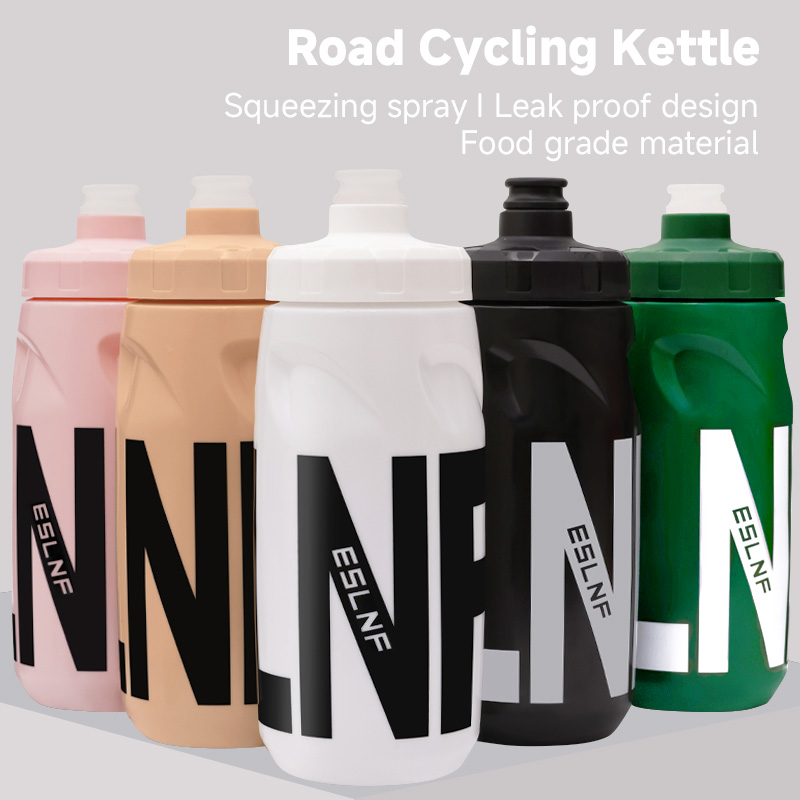
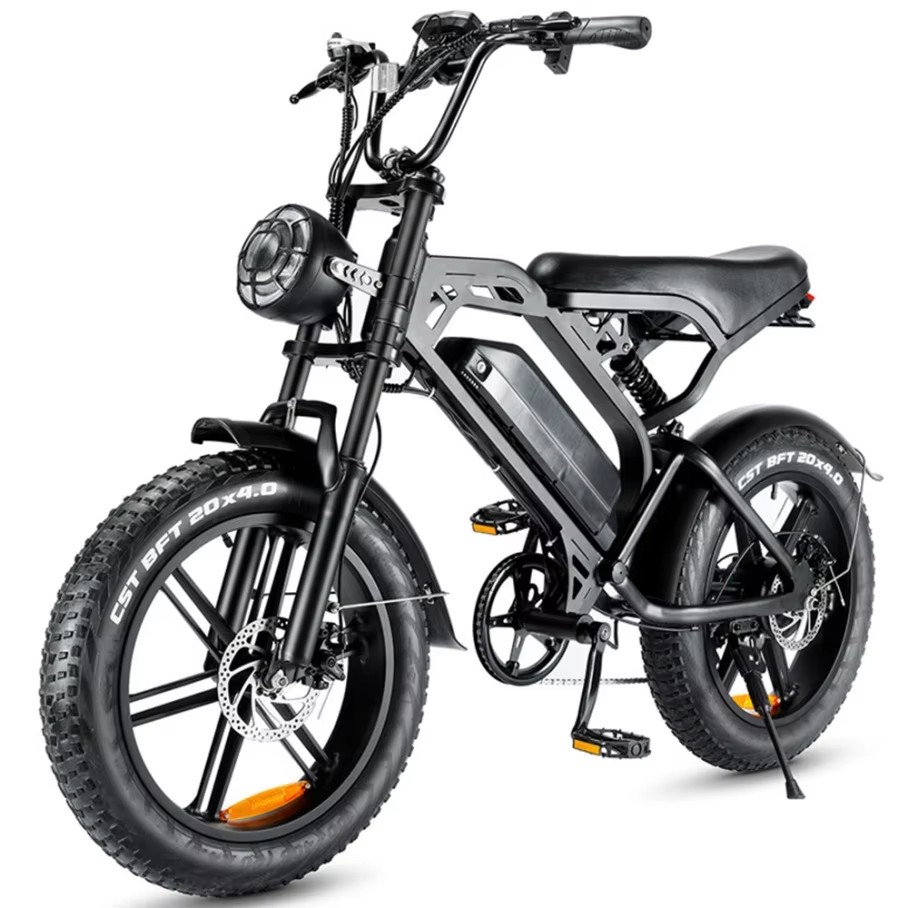
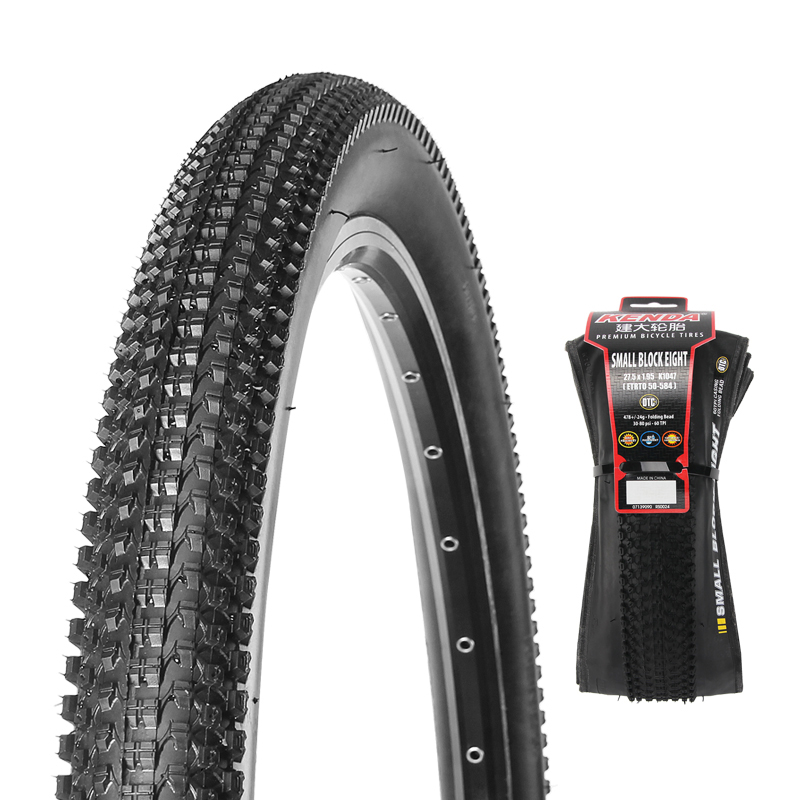
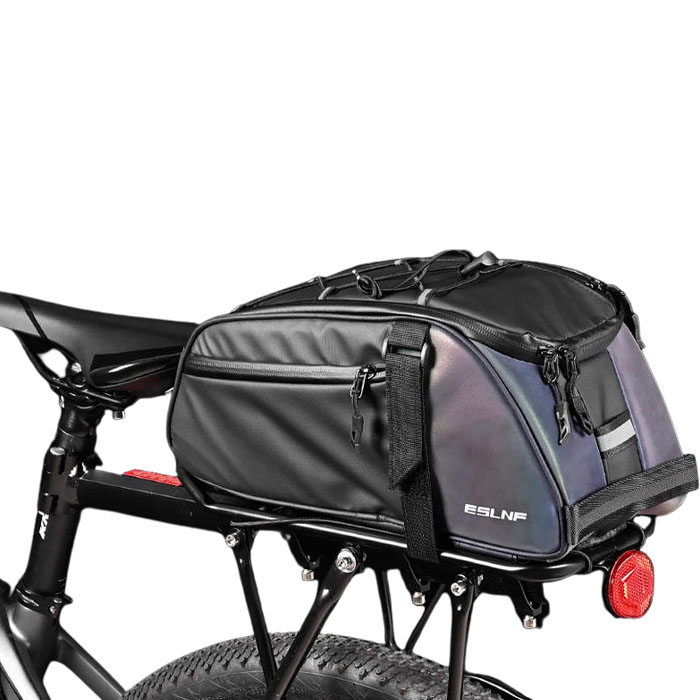
1,200,000+
Units Annual Capacity
±0.05 mm
Extrusion Profiling Tolerance
100%
EN 15194 & ISO 4210 Compliance
TÜV Tested
Physical Facility Assessed
Engineering Whitepaper
Optimizing Bicycle Fender Metallurgy & Polymers for the Italian Market
A rigorous review of localized environmental stresses, architectural stiffness parameters, and rapid industrialization pipelines for Italian bike brands.
Saline & Coastal Corrosion Infiltration
The Italian peninsula features over 7,600 kilometers of coastline. Urban cycles deployed in coastal areas such as Liguria, Campania, and Puglia face rapid galvanic corrosion from sodium chloride mist. Kenus engineers our OEM mudguard stays using electropolished SUS304 and marine-grade 6063-T6 aluminum treated with micro-arc fluorocarbon anodization exceeding 720 hours of salt spray exposure (ISO 9227).
Historic Pavé & High-Frequency Vibration
Historic city centers in Milan, Florence, and Rome contain centuries-old cobblestones (Sampietrini) that induce high-frequency harmonics (30–65 Hz) through the bicycle fork and stays. Our proprietary co-extrusion blend of Polycarbonate and Polybutylene Terephthalate (PC+PBT) provides critical elastic recovery, eliminating stay breakage, fatigue cracking, and annoying mudguard-rubbing chatter.
Thermal Cycling: Alpine Passes to Po Valley Heat
From the freezing winter gravel climbs of the Dolomites down to the 40°C humid microclimates of the Po Valley, standard polypropylene fenders warp and distort. Our raw resin pellets are modified with UV-stabilizer Masterbatch 783 and high-dispersity glass microspheres, maintaining linear dimensional stability without thermal deflection across temperatures ranging from −25°C up to +85°C.
Localized Use Cases
Demanding Italian Applications: Engineered Deployment Scenarios
Translating geographic topography and cycling typologies across Italy into structural fender design requirements.
Italian Gravel & Strada Bianca Sector
Gravel cycling was born on the white gravel roads of Tuscany. Modern Italian gravel bike builders require full-coverage mudguards with quick-release stays (ESC Safety Clips) that prevent catastrophic wheel lockups if flint or gravel gets pulled inside the fender arch. Kenus builds ultra-wide (48–65mm) low-profile channels that accommodate 700x45c or 650Bx47 tires with dedicated aerodynamic internal fluting.
E-Trekking & Heavy Urban Commuter Fleets
The Italian National Recovery and Resilience Plan (PNRR) has accelerated municipal bike sharing and commercial e-bike adoption. OEM mudguards must integrate continuous DC internal cable routing conduits for 6V/12V Supernova and Busch & Müller lighting lines, while also structurally supporting full-sized 25kg ISO 11243 rear luggage panniers without flexing or lateral sway.
Alpine E-MTB High-Clearance Mud Deflectors
In regions such as Trentino-Alto Adige and Piedmont, high-pivot enduro bikes encounter deep glacial loam and angular shale. We produce shortened, rigid direct-mount front fork guards engineered explicitly for RockShox, Fox, and Formula forks, utilizing high-impact Polypropylene (HIPP) to resist rock impacts at descending velocities exceeding 50 km/h.
Kenus OEM Bicycle Fender Engineering Baseline (Comparative Matrix)
| Characteristic Parameter | Standard Commodity PP | Kenus Co-Polymer PC+PBT Blend | Kenus Extruded 6063 Aluminum |
|---|---|---|---|
| Tensile Strength (ISO 527) | 28 – 34 MPa | 58 – 65 MPa | 190 – 230 MPa |
| Izod Notched Impact (−20°C) | 2.5 kJ/m² (Brittle Fracture) | 14.0 kJ/m² (Ductile Performance) | N/A (Permanent Metal Yield) |
| Stay Rigidity & Safety Release | Basic friction clips | TÜV-Rated ESC Breakaway Latch | Heavy-Duty Integrated Struts |
| Internal Wiring Conduit (E-Bike) | Manual clip-on | Co-extruded dual-channel track | Integrated rolled cable rib |
| Surface Finish & UV Rating | Uncoated raw black; fades <1 yr | UV783 Matte/Gloss or Decal Transfer | Hard Anodized (15μm) or Powder Coat |
Macro Dynamics & Compliance
Italian Bicycle Manufacturing Trends & Regulatory Evolution
Critical market shifts guiding technical decisions for purchasing directors, product managers, and supply chain heads in Lombardy, Veneto, and Emilia-Romagna.
Transition from Aftermarket to Pre-Assembled OEM Specs
Historically, the Italian road bicycle tradition prioritized clean aesthetics, leaving mudguards as an aftermarket compromise. However, the rise of e-bikes, SUV gravel builds, and urban cargo logistics has pushed major Italian brands to specify pre-fitted OEM mudguard solutions on over 42% of modern product lines. This shift requires bicycle fender suppliers to deliver custom profiles that integrate directly with frame-dropouts, matching seatstay bridge geometry and custom factory color palettes.
Additionally, EU safety standard EN ISO 4210-2 mandates minimum clearance envelopes (typically 10mm to 12mm) between the tire tread and fender underside. Kenus works directly with factory engineering teams from 3D CAD modeling through rapid stereolithography prototyping, guaranteeing full tire compliance while maintaining aggressive, sleek frame lines.
Supply Chain Vulnerability & Risk Mitigation
- Nearshoring Complements: Dual-source manufacturing pipelines reducing extended lead times across European logistics corridors.
- Packaging Optimization: High-density nested batch packing, reducing sea freight volumetric overhead by 34% per 40-foot container.
- Material Circularity: Ready-to-inject recycled ocean-bound polyamides and PCR polymers complying with strict European Green Deal circularity mandates.
Verified Manufacturing Power
Why Tier-1 European Importers Partner with Kenus
Combining verified in-house processing with agile tooling, laser finishing, and comprehensive international compliance testing.
TÜV Rheinland Onsite Verified
Our manufacturing lines, QA/QC workflows, and precision assembly stations in Jinhua, Zhejiang are independently audited and assessed on-site by TÜV Rheinland. Purchasing managers receive full third-party facility reports without relying on intermediary trading houses.
Certified Testing Documentation
All structural metal and lighting integrations maintain certified laboratory verifications: CE (SIT230614230201E), RoHS (SIT240417230101R and SIT24041230101R), PSE (SIT240226230301P), and comprehensive EMC inspection reports (SIT250212230201ER).
In-House Metal & Tooling Shop
Equipped with specialized tube reduction equipment, cold draw-benches, automated precision constrictors, and automated drilling machinery. We handle stay shaping, extrusion, laser surface marking, and bespoke bracket fabrication entirely under one roof.
Procurement Intelligence
Frequently Asked Questions: Italian OEM Buyer Inquiries
Direct technical and operational answers to common procurement, homologation, and shipping questions.
How do you ensure fender stay clearance compliance with EN 15194 and ISO 4210 standards?
Our engineering teams use tire expansion envelopes (calculating centrifugal tire swelling at maximum rated pressure) to design radial clearances of 10–15mm. Furthermore, all front mudguards intended for European distribution are equipped with certified breakaway safety stays (ESC safety release mechanisms). If debris enters the wheel rotation, the stay releases instantly, preventing front-wheel lockup in full compliance with ISO 4210-2 requirements.
Can your factory accommodate low-volume initial trial runs for custom extruded profiles?
Yes. While mass production extrusion tooling yields low piece prices at 2,000+ sets, our in-house rapid tooling and 3D printing workshop provides fast pilot prototypes (10 to 50 sets) for real-world chassis validation, drop testing, and international trade show debuts (such as EICMA or Italian Bike Festival) prior to cutting hard industrial tooling.
What are the sea-freight transit timelines and port arrangements for delivery into Italy?
Our direct export shipments from Ningbo or Shanghai to Italian hub ports (Genoa, La Spezia, and Trieste) average 28 to 35 days on the water. For expedited CKD (Completely Knocked Down) assembly timelines, Kenus provides direct consolidation options, nested space-saving master cartons, and flexible shipping terms (FOB Ningbo, CIF Genoa, or DDP direct to your factory in Lombardy or Veneto).
Can rear mudguards be integrated with e-bike rear lighting and rack mounts?
Absolutely. Over 65% of our current European production features integrated, hidden internal wiring tracks extruded along the inner spine of the mudguard. This protects cables from water spray, mud buildup, and tire friction. Stays can be customized to bolt directly into rear pannier structures, delivering a sleek aesthetic for high-end urban and touring e-bikes.
How does Kenus manage color matching and surface finishes for branded models?
We work directly with standard RAL, Pantone, and custom master color plates submitted by your industrial design department. Available finishes include deep matte, high-gloss UV, soft-touch satin, and in-mold heat-transfer branded decals. All surface treatments undergo cross-hatch adhesion testing (ISO 2409) and accelerated weathering chamber exposure.
What documentation accompanies shipments for customs clearance in Italy?
Shipments arrive with clean export declarations, comprehensive Bills of Lading, itemized Packing Lists, Commercial Invoices with clear HS code declarations, Certificates of Origin, and complete chemical compliance declarations (RoHS / REACH documentation on polymer plasticizers and heavy metals).
Advanced Metallurgy, Polymer Engineering & Strategic Sourcing for the Italian Cycling Corridor
The Northern Italian industrial corridor—spanning Brescia, Vicenza, Treviso, and Bologna—demands bicycle components that match a rich heritage of cycling excellence. A simple stamped strip of metal or standard polypropylene flap cannot satisfy the structural, aesthetic, and regulatory requirements of premium European e-bikes and performance gravel platforms.
From a structural standpoint, mudguard performance depends directly on modulus of elasticity, flexural fatigue limits, and damping capacity. When cycling over rough asphalt or coarse gravel, repetitive cyclic vibrations cause acoustic resonance throughout an improperly supported fender. Left unchecked, this resonance causes fastener back-out, contact wear with tire casings, and structural failure of mounting eyelets. At Kenus, our finite-element-modeled (FEM) brackets feature reinforced stress-dispersal ribs and integrated rubber dampening grommets that absorb shock energy, preventing stay fractures over long-term use.
Furthermore, our production workflows follow strict ISO 9001 and onsite TÜV Rheinland-assessed protocols. From the initial inspection of raw pellets to optical profile scanning during high-speed extrusion, every single lot is batch-traced. We verify that wall thickness remains uniform (±0.05 mm), ensuring true radial arcs that install cleanly on Italian production lines. By eliminating installation headaches, Kenus helps bike assembly plants speed up assembly times and lower overall manufacturing costs.
Initialize Your Custom OEM Fender Engineering Program
Consult with our technical sales engineers, review tooling lead times, and request our comprehensive technical specification catalog.
Get Catalog