Nordic Specification Catalog
Specialized OEM Bicycle Components for the Finnish Territory
From road grit resistance to sub-zero resilience, inspect our eight foundational OEM product categories tailored for procurement specialists in Helsinki, Tampere, Turku, and Oulu.
#2
Global Rank: OEM Bicycle Pedals
#2
Global Rank: Performance Lights
TÜV
Rheinland Onsite-Assessed Facility
-35°C
Nordic Cold Testing Tolerance
Engineering OEM Bicycle Components for the Finnish Operating Reality
The Republic of Finland represents one of the world's most rigorous operational environments for human-powered and electric mobility equipment. Known globally as an epicenter of year-round winter cycling culture—epitomized by municipalities like Oulu where over 20% of all winter commutes occur via bicycle—the Finnish market rejects generic consumer-grade cycling accessories. When sourcing custom OEM parts, Finnish product managers, retail chains (such as regional sporting conglomerates and bike shop cooperatives), and micro-mobility operators require severe-duty thermal resilience, specialized surface passivations, and uncompromising ingress protection.
Operating between seasonal extremes ranging from +28°C during peak midsummer midnight sun runs down to -30°C across the northern Ostrobothnia and Lapland regions, components undergo brutal thermal cycling. Furthermore, municipal winter path clearing in Southern Finland (Helsinki, Espoo, Vantaa, Tampere) relies heavily on crushed granite grit (sepeli) and high-density sodium-calcium brine solutions. This grit rapidly shreds standard polymer coatings, breaches standard axle seals, and corrodes unpassivated fasteners within weeks. As an onsite-assessed manufacturer, Kenus Intelligent Technology Co., Ltd. architects export-grade cycling assemblies designed explicitly to survive, perform, and sustain commercial viability under strict Nordic standards.
Thermal & Polymer Chemistry
Standard PVC and low-grade Polyurethane become glass-brittle below -15°C. Our bags, saddle shells, and cable jackets utilize cross-linked TPU, cryogenic plasticizers, and high-elastic EPDM elastomers guaranteed crack-resistant down to -35°C.
Chloride & Grit Defense
To counter Finland’s notorious crushed granite traction gravel (sepeli), all mechanical contact assemblies utilize double-lipped nitrile rubber (NBR) labyrinth seals, hard-anodized 6061-T6 aluminum alloys, and SUS304/SUS316 stainless fasteners.
Nordic Lighting Photometrics
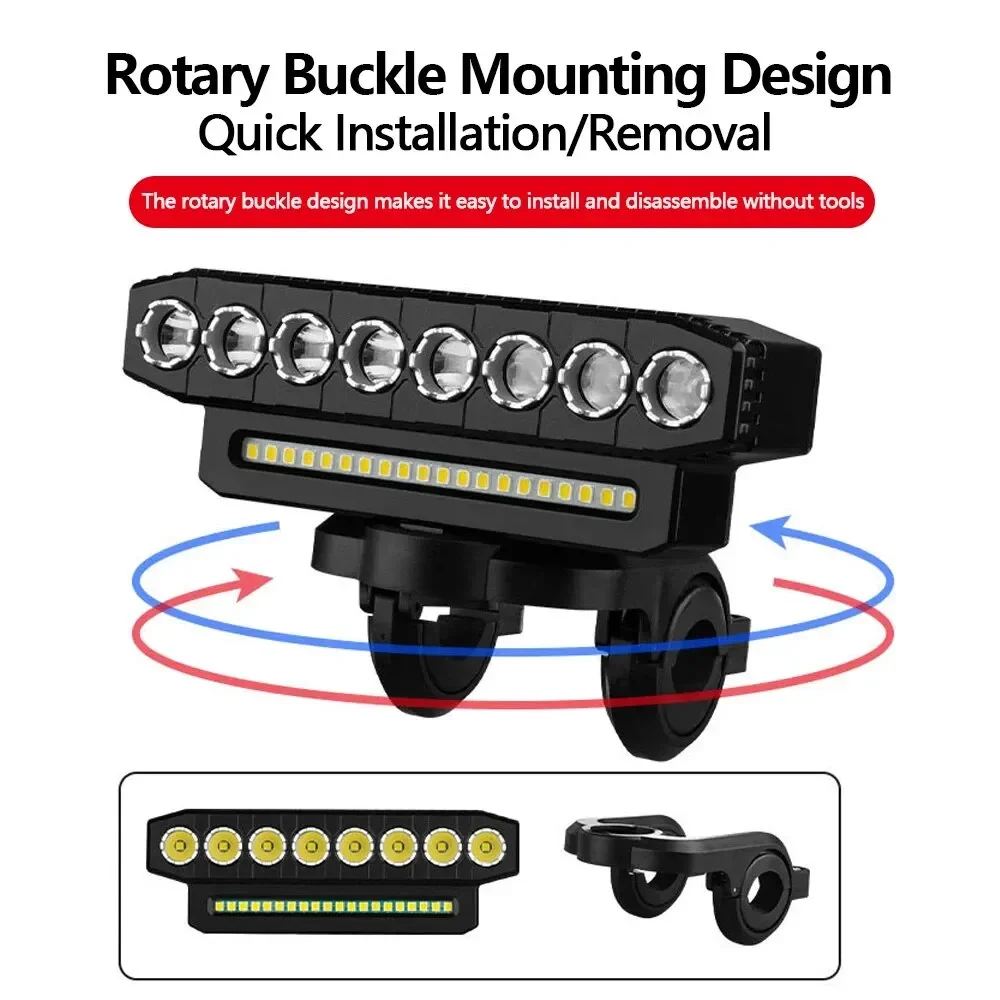
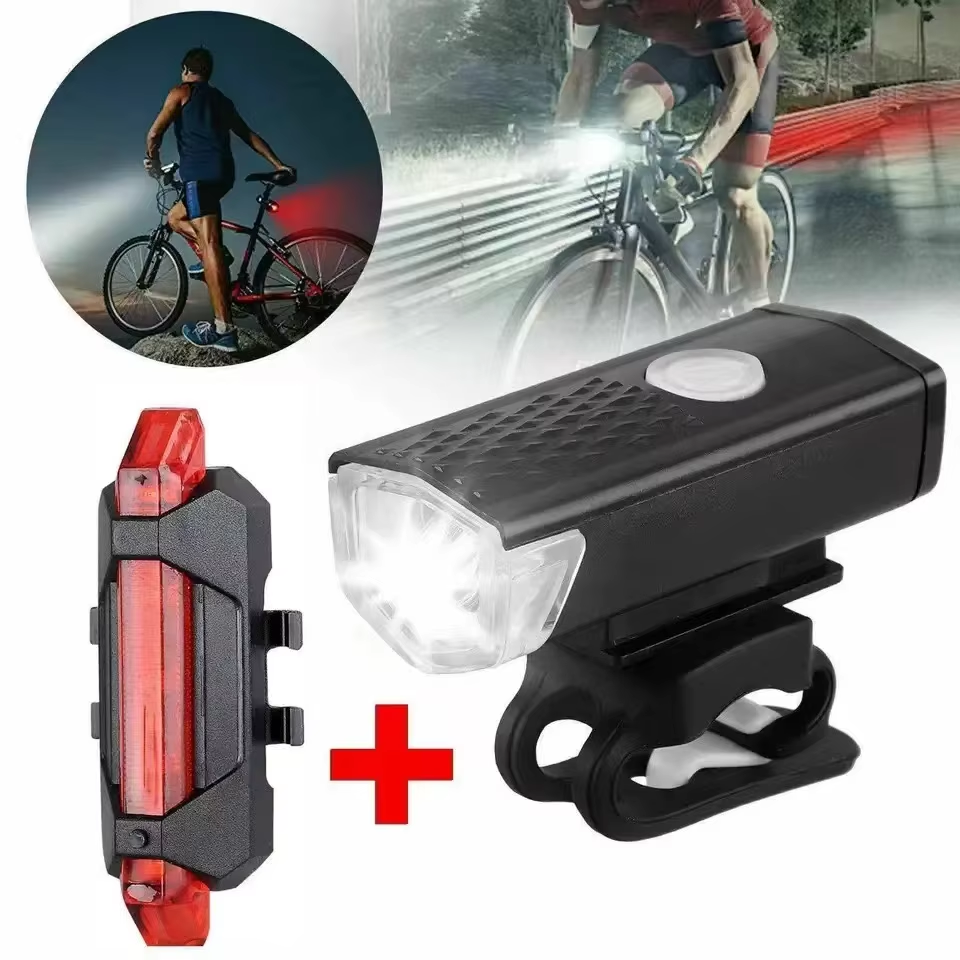
With southern Finland experiencing under six hours of daylight in December and northern regions experiencing polar night (kaamos), our OEM lighting systems feature wide-throw optical lenses, high-capacity low-temp 18650/21700 lithium cells, and anti-glare horizontal beam cut-offs.
Material Metallurgy & Precision Metal Forming
Kenus executes in-house tube reduction, constriction, multi-axis automated drilling, and robotic welding at our Zhejiang manufacturing hub. For Finnish cargo racks, repair stands, and adjustable kickstands destined to support heavy winter-equipped commuter e-bikes (often weighing 28–35 kg including battery and studded Nokian/Suomi Tyres), wall thickness consistency and weld puddle penetration are critical. Weak joints crack under brittle sub-zero shock loading. We maintain strict control over heat-affected zones (HAZ) during TIG and MIG welding cycles, followed by high-adhesion thermoset powder coating that surpasses 500 hours in neutral salt spray (ASTM B117) testing.
Electronics Engineering for Polar Temperatures
A primary point of failure for cycling electronics imported into the Nordic region is battery voltage sag under sub-zero conditions. Standard lithium-ion battery management systems (BMS) shut down prematurely as electrolyte viscosity rises below -10°C. Our lighting systems engineered for Northern Europe utilize specialized low-temperature electrolyte chemistry, internal thermal damping insulation, and regulated constant-current driver ICs. Even at -20°C, our 4000mAh units retain over 72% usable discharge capacity, preventing abrupt lighting cutoffs on dark rural highways or unlit Finnish gravel tracks (soratiet).
Localized Cycling Application Scenarios in Finland
Sourcing the correct bicycle accessories requires analyzing the specific functional profiles demanded by Finnish consumers and municipal infrastructure initiatives. We build OEM product configurations directly aligned with the three dominant cycling archetypes in Finland:
1. All-Season Urban Commuting
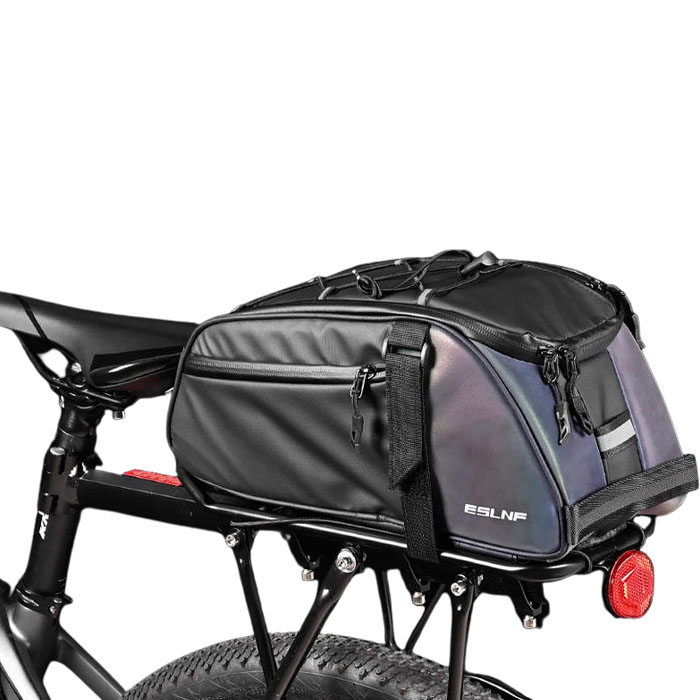
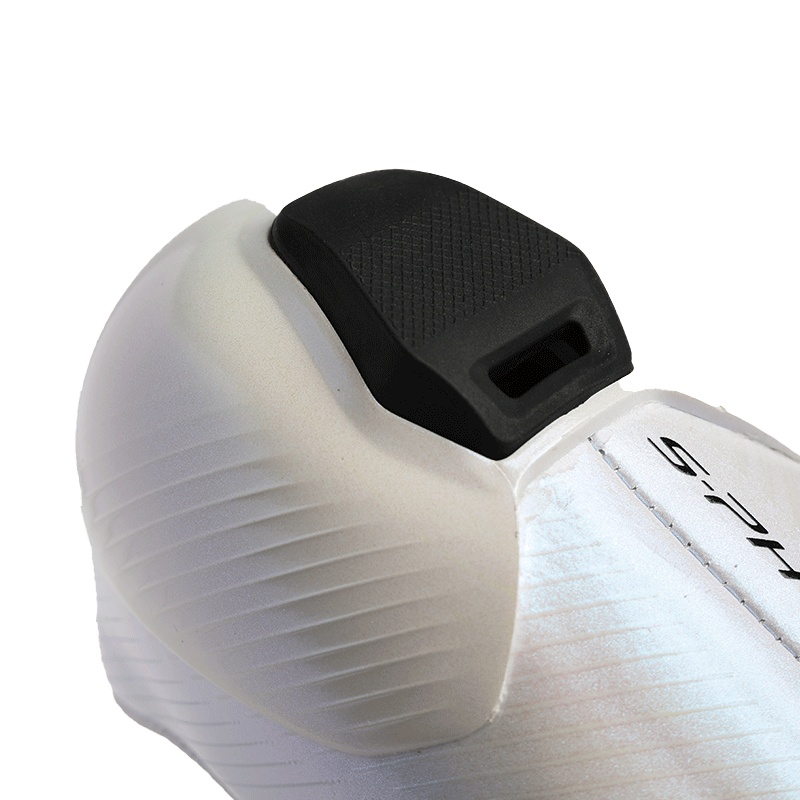
Operating along Helsinki’s Baana cycling corridor or Oulu's 900-kilometer cycle highway network. Riders demand 100% waterproof roll-top panniers (ESLNF series) that shrug off constant slush spray, high-volume electric warning horns for pedestrian-dense mixed zones, and wide nylon platform pedals with molded steel studs that seat securely into heavy winter boots.
2. Gravel & Archipelago Bikepacking
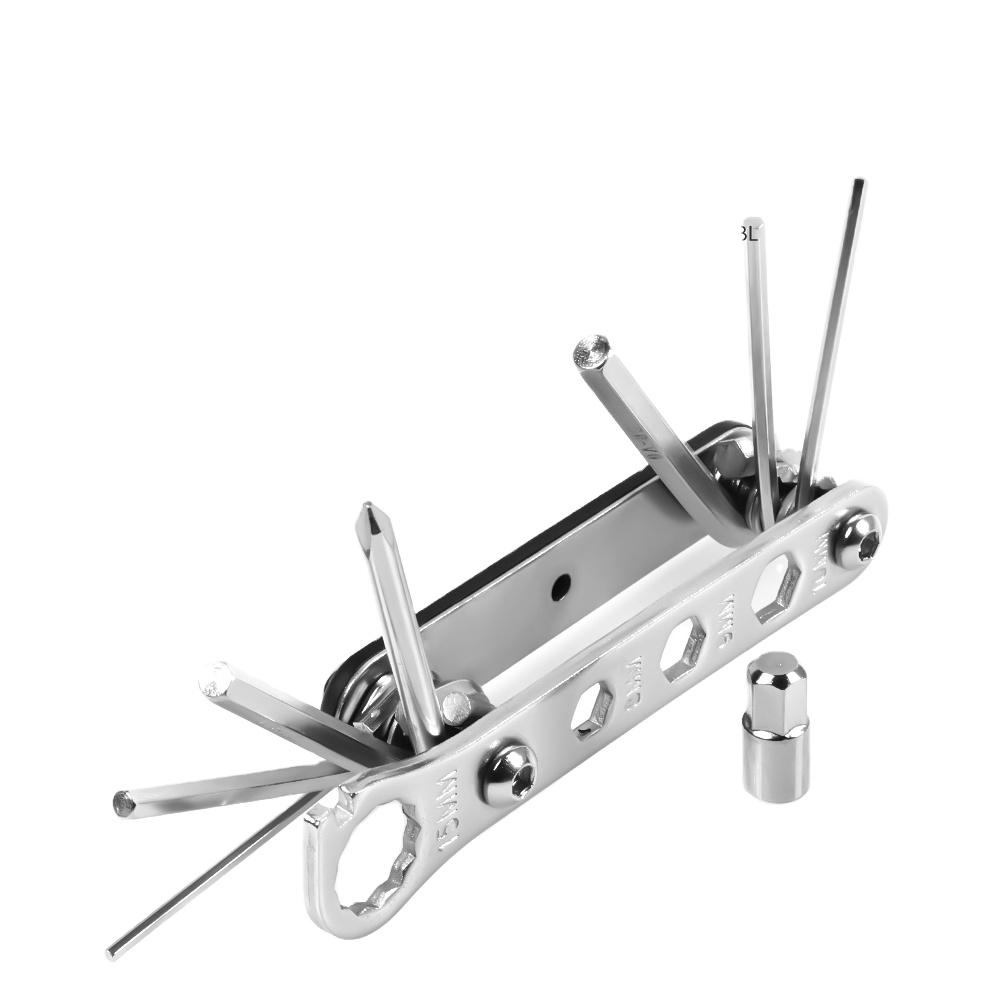
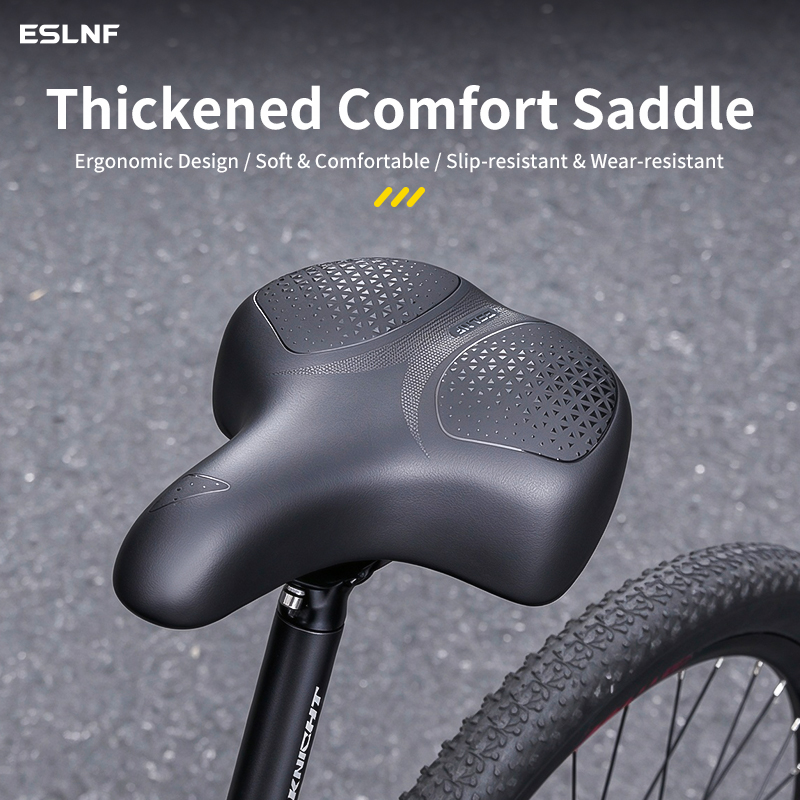
Covering routes like the Archipelago Trail (Saariston Rengastie) or Lakeland gravel tracks. Demands ultra-durable handlebar cockpit bags, side-entry composite bottle cages that maintain tension over rough corrugations, 3D printed honeycomb carbon saddles with localized pressure-relief channels, and compact 13-in-1 multi-tools equipped for roadside tubeless and chain emergency repairs.
3. Corporate Commuter Leasing Fleets
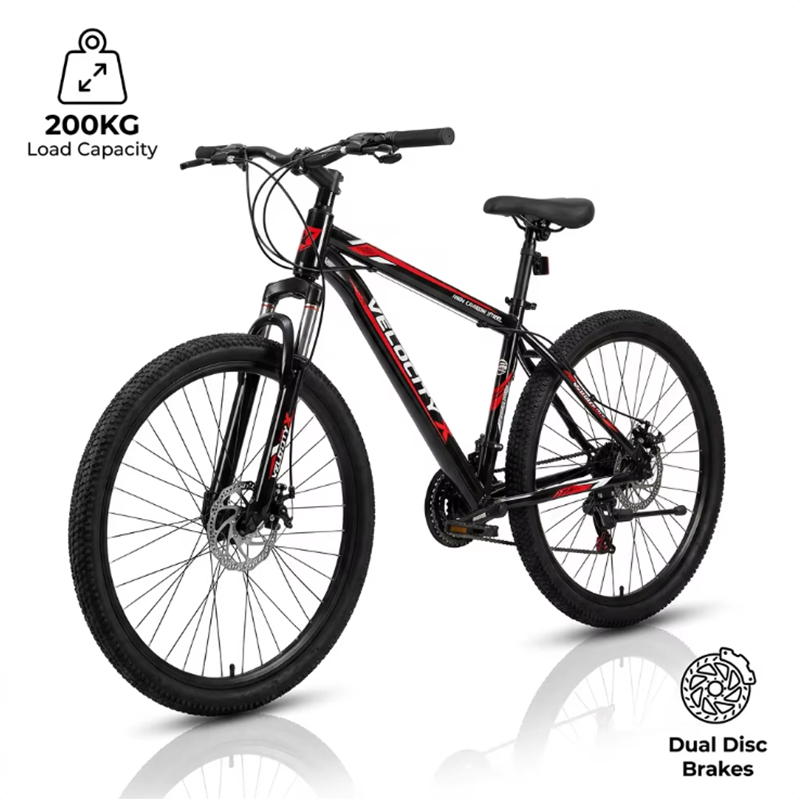
Under Finland’s tax-advantaged bike benefit policy (työsuhdepyörä), thousands of premium e-bikes and urban cargo carriers enter operation annually. Fleet managers and corporate leasing entities demand standardized, tamper-proof disc brake locks, integrated heavy-duty kickstands, and high-lumen lighting systems verified under CE, EMC, and RoHS standards.
Macro Trends Shaping Finnish Bicycle Sourcing (2025–2030)
Importers and brand curators in Finland must navigate significant macroeconomic and regulatory evolutions. Sourcing decisions made today dictate retail margins, warranty return rates, and regulatory compliance through the end of the decade.
The Työsuhdepyörä (Bicycle Benefit) Phenomenon
The Finnish government's tax-incentivized commuter bicycle initiative allows employers to offer up to €1,200 per year tax-free toward bicycle purchase or operational lease contracts. This single legislative catalyst has radically shifted the median price point of bikes sold in Finland upward. Consumers are choosing sophisticated multi-thousand-euro e-bikes, gravel machines, and premium cargo haulers. In turn, consumer willingness to invest in high-tier aftermarket accessories—such as CNC-machined alloy mirrors, high-strength nylon bearing pedals, and StVZO-profile smart lighting—has skyrocketed. OEM customization allows local retailers to bundle high-margin, private-labeled accessory packages directly into the lease agreements.
Stringent Nordic ESG & Chemical Compliance (REACH & PFAS Restrictions)
Finnish consumers and institutional procurement bodies place paramount emphasis on environmental stewardship. The Finnish Safety and Chemicals Agency (Tukes) regularly performs surveillance sweeps on consumer sporting goods. Kenus manufactures cycling textiles, grips, and saddles free from prohibited Phthalates, short-chain chlorinated paraffins (SCCPs), and hazardous per- and polyfluoroalkyl substances (PFAS). Our direct factory audit transparency ensures that European Union REACH regulations and RoHS directives are fully documented at the component level.
Expansion of All-Weather Cargo Mobility
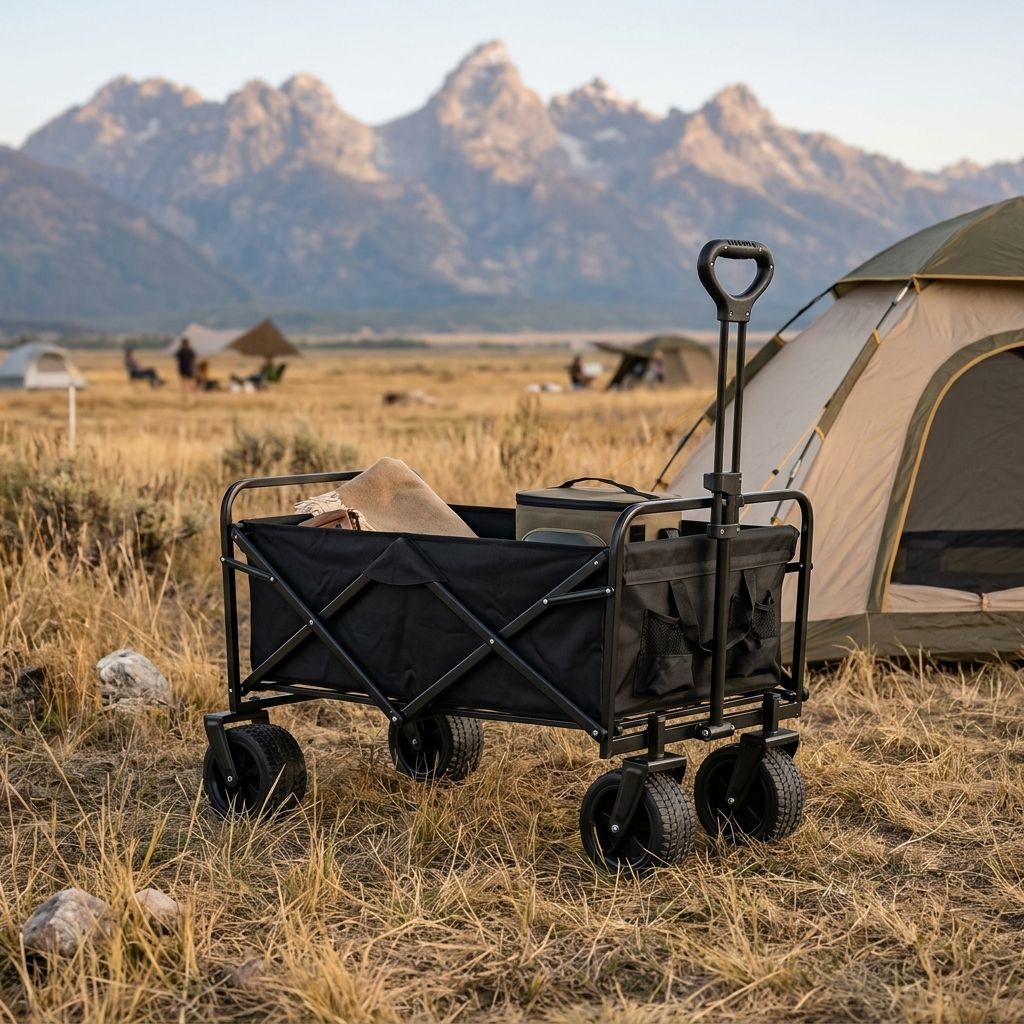
Urban car-free initiatives in central Helsinki, combined with expanding low-emission logistics zones, have accelerated the adoption of utility trolleys, cargo wagon attachments, and multi-bag touring systems. B2B businesses, nurseries, and recreational families increasingly utilize collapsible tow wagons and high-capacity rear pannier assemblies capable of carrying groceries and heavy gear across gravel, ice, and pavement.
Factory-Direct Verified Capabilities: Why Kenus Intelligent Technology
Located in Jinhua, Zhejiang—one of the world's most dense ecosystems for bicycle component metallurgy and tooling—Kenus Intelligent Technology Co., Ltd. bridges the gap between raw manufacturing capability and the exacting commercial demands of European B2B buyers.
TÜV Rheinland Onsite-Assessed
Our factory facilities, employee safety protocols, and quality control lines have been verified onsite by TÜV Rheinland. We eliminate the uncertainty of trading intermediaries by welcoming third-party technical audits and providing unedited factory video and 360° panoramic verification.
Independent R&D & 3D Prototyping
Rapid industrial prototyping capability enables Finnish partners to test physical samples prior to expensive mold hardening. We operate in-house industrial additive manufacturing (3D printing) for rapid ergonomic validation of saddles, custom light brackets, and tool cases.
Official Laboratory Certifications
Avoid customs clearance delays at Vuosaari Harbour. Our active product line is supported by documented test certificates from accredited laboratories:
- CE Headlight: SIT230614230201E
- RoHS Multi-Headlights: SIT240417230101R
- PSE Headlight: SIT240226230301P
- RoHS Horn Light: SIT24041230101R
- EMC Inspection: SIT250212230201ER
Frequently Asked Questions: Sourcing OEM Bike Parts for Finland
How does Kenus ensure plastic and rubber parts do not become brittle in Finnish winter conditions?
We adjust raw polymer compounding specifically for cold-climate export orders. Standard polypropylene and generic PVC are substituted with modified polyamides (PA66 with impact modifiers), high-grade TPU, and synthetic EPDM rubbers. These materials undergo chamber freeze testing at -30°C followed by Izod impact testing to confirm high structural elasticity without micro-fracturing.
What are your custom branding, private label, and OEM packaging capabilities?
We provide full-spectrum OEM and ODM execution: high-precision fiber laser etching for aluminum kickstands, tools, and lights; silk-screen and pad printing for bags and bottles; custom mold tooling for nylon pedals; and tailor-made retail gift boxes featuring Finnish and Swedish bilingual product descriptions and EAN-13 barcodes.
What are the typical lead times and logistical pathways into Finland?
Sample generation and pre-production 3D models are typically dispatched within 5 to 7 business days. Full container production orders (FCL) require 25 to 35 calendar days from final drawing approval. Shipments to Finland route primarily via ocean freight into Vuosaari Port (Helsinki) or Kotka with a transit window of 35–42 days. For seasonal rush orders, air cargo connections into Helsinki-Vantaa Airport (HEL) deliver within 5–8 days.
Can you assist with European Union battery safety compliance and WEEE registration?
Yes. All rechargeable lighting systems include comprehensive UN38.3 battery transport test documentation, Material Safety Data Sheets (MSDS), and CE/EMC directives (reports SIT230614230201E and SIT250212230201ER). We support your local Finnish producer responsibility obligations (Pirkanmaa ELY Centre WEEE registration) by providing precise tare weights for plastics, cells, and paper packaging.
What are the Minimum Order Quantities (MOQs) for Finnish private-label launches?
Understanding that the Finnish market is highly specialized with a population of 5.6 million, we offer agile B2B tiering. Standard catalogue sample batches start as low as 2 pieces for bench testing. Laser-branded OEM runs on core pedals, multi-tools, and bicycle lights generally begin at 200–500 units, enabling regional distributors to test market response without burdensome capital lockup.
Connect Directly with Our OEM Engineering & Export Team
Request our comprehensive B2B component catalog, request material sample kits for cold-chamber testing, or submit custom technical CAD drawings for direct factory quotation.