Melbourne Retail & Outfitter Integration
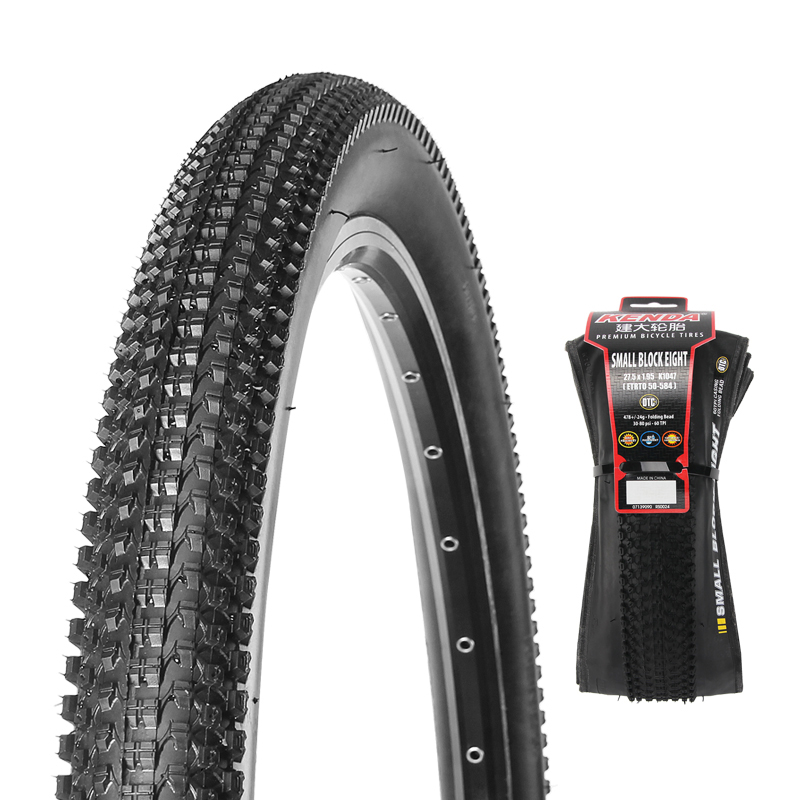
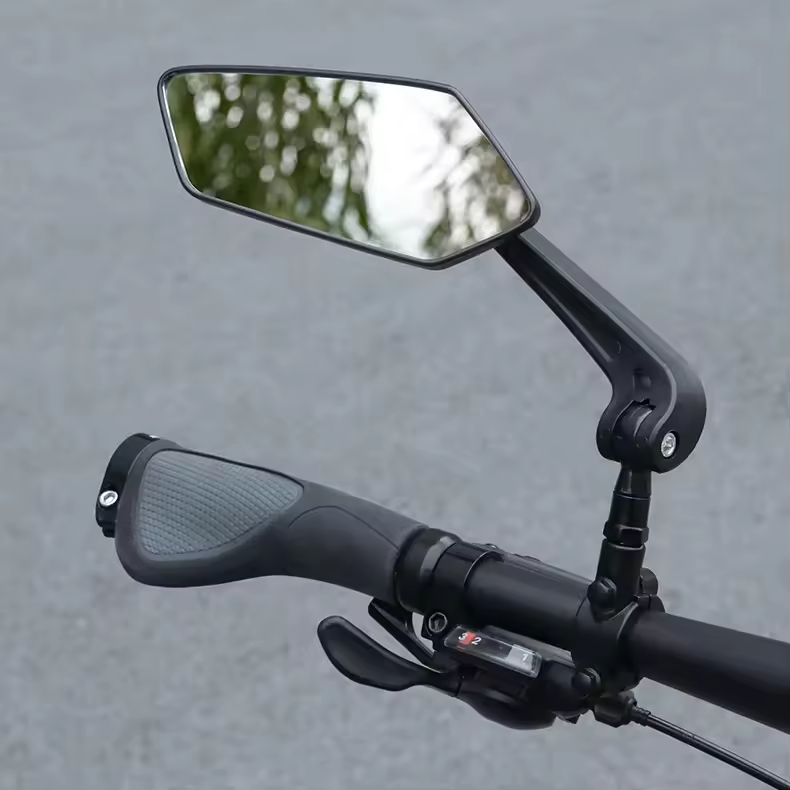
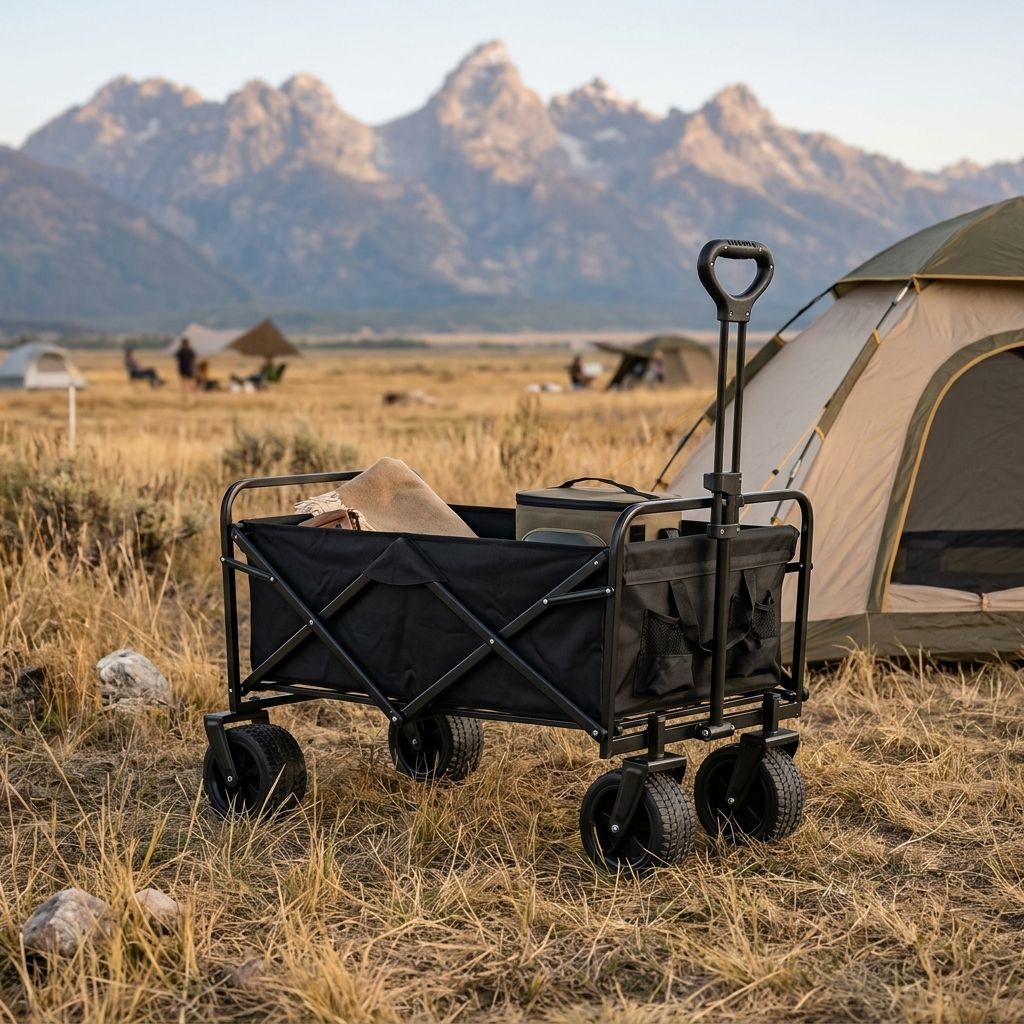
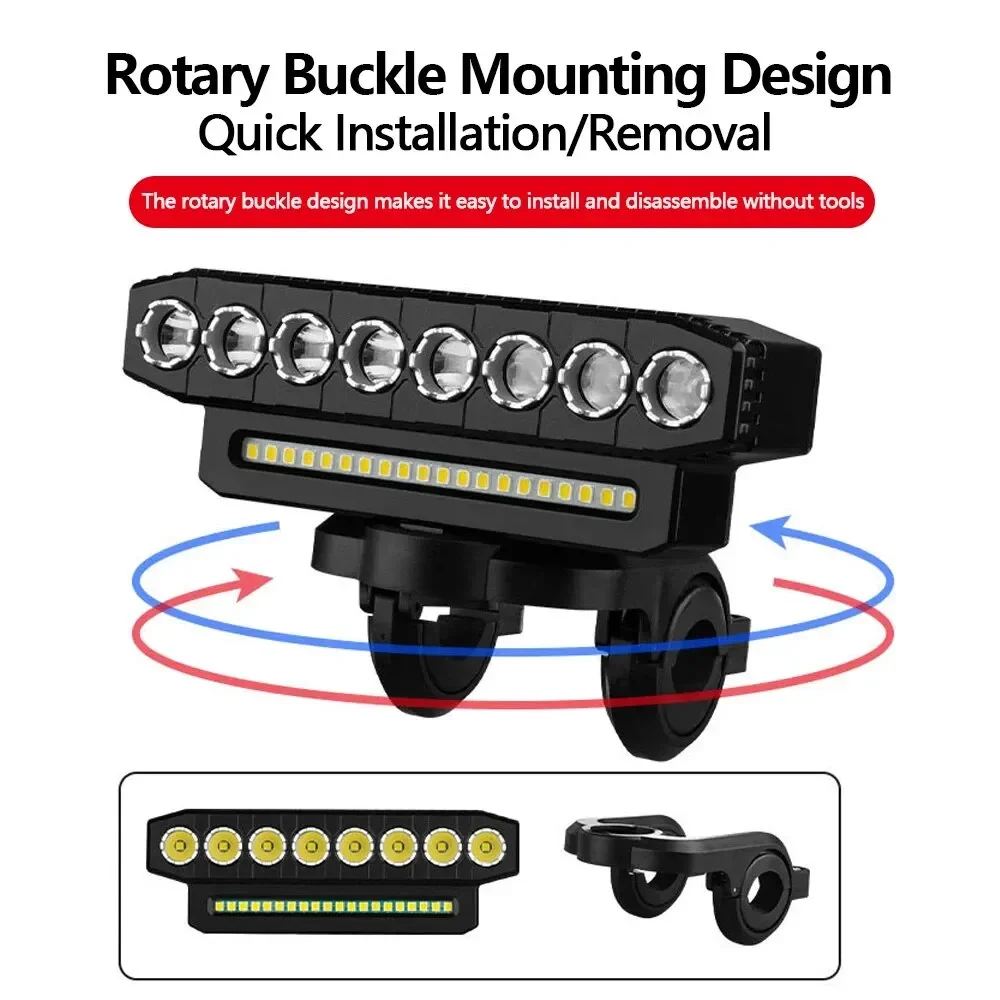
Featured OEM Accessories & Trail-Ready Gear Ecosystem
Boutique brand owners and Melbourne bike retailers gain substantial margin advantages when consolidating turnkey helmet lines with performance accessories. Explore these 8 market-tested components built to endure Victorian trail and commuting realities.
Strategic Procurement Insight
The Melbourne Mountain Biking Ecosystem: Technical Sourcing Dynamics
From the rainforest descents of the Dandenong Ranges and Silvan to the technical granite obstacles of the You Yangs, Victoria stands as the premier growth market for enthusiast and competitive mountain biking in Australia. This whitepaper establishes the foundational parameters for importing, white-labelling, and custom manufacturing high-performance MTB head protection that satisfies Australia's strict regulatory protocols.
Australian Consumer Law & ACCC Demands
Unlike standard European CE EN 1078 or US CPSC 1203 approvals, distributing mountain bike helmets within Melbourne and throughout Victoria legally requires uncompromising conformance to AS/NZS 2063:2020. Non-compliant units face swift customs impoundment at the Port of Melbourne and immediate ACCC recalls. Our OEM processes integrate NATA-accredited testing regimes before raw batches leave the Zhejiang production floor.
The Explosive Rise of e-MTB Enduro
The Victorian trail corridors at Lysterfield, Warburton, and Mount Buller are witnessing unprecedented increases in pedal-assist electric mountain bikes (e-MTBs). With elevated average ascent rates and higher kinetic descent energies, Victorian riders demand reinforced temporal and occipital coverage, dual-density EPS liners, and rotational energy mitigation systems engineered into every shell moulding.
Direct OEM Logistics Consolidation
Independent bike dealers (IBDs) across Collingwood, St Kilda, and Hawthorn frequently struggle with distributor markups exceeding 45%. Sourcing directly from an audited manufacturing facility allows Victorian distributors to build distinct private-label equity, consolidate container packing with complementary lights, locks, and bags, and optimize landing costs under ChAFTA tariff preferences.
Victorian Terrain Demands
Engineering for Melbourne's Unique Microclimates & Trail Topology
Victorian riding is characterized by sharp transitions: intense ultraviolet exposure, mud-caked winter singletracks, and rapid thermal cycling. Generic off-the-shelf helmets often fail in these diverse conditions. Here is how custom OEM engineering addresses Melbourne-specific user scenarios.
Thermal Venting: Melbourne's Heatwaves
Summer trail runs in the open scrub of the You Yangs or Plenty Gorge frequently exceed 38°C. Our CFD-optimised internal air channels direct intake flow across the rider's crown without degrading the structural rib thickness required to pass the hemispherical anvil impact test specified in AS/NZS 2063.
Dandenong Ranges Damp & Mold Resistance
Riding under the wet tree ferns of Silvan and Kinglake exposes equipment to constant moisture, mud splatter, and fungal spores. We formulate our helmet liners with quick-drying, antimicrobial ionic silver yarn and thermo-bonded inner pads that retain mechanical dampening even after repeated high-humidity rides.
The Commuter-to-Singletrack Hybrid
Many Melbourne cyclists navigate urban routes along the Main Yarra Trail or Capital City Trail before branching off onto gravel trails and dirt pump tracks. Our versatile designs feature integrated, removable magnetic visors and rear LED flasher integration slots for enhanced cross-discipline visibility and compliance.
Future-Proofing Production
Market Trends Reshaping Custom MTB Helmet Sourcing in Victoria
B2B procurement teams must adapt to shifting customer demographics, sustainable manufacturing legislation, and accelerated safety expectations across Australia's cycling community.
Low-Friction Rotational Slip Liners
Angled impacts are the most prevalent source of severe head injuries during singletrack washouts. Victorian riders actively seek low-friction rotational shear layers (comparable to proprietary MIPS layers). Our engineering team designs custom slip planes into EPS CAD moulds without inflating licensing costs.
Bio-Based & Recycled EPS Polymers
Environmentally conscious consumers in inner-Melbourne hubs (Fitzroy, Brunswick, Northcote) demand authentic circular accountability. We support private labels with 100% recycled PC shells, rPET webbing straps made from ocean plastics, and bio-expanded polystyrenes with certified origin chains.
Full-Face Modular Chin-Bar Systems
With the opening of world-class lift-assisted parks across Victoria, enduro riders are shifting toward convertible 2-in-1 helmets. Our precision-engineered aluminium cam-locks enable trail riders to quickly unclip full-face chin protection for steep climbs and snap it firmly back in place for rock-strewn descents.
Integrated Sensor & Smart Beacon Recesses
Modern riders exploring isolated high-country trails around Bright, Beechworth, and Mt Beauty look for integrated safety tech. We mill specific recesses into the EPS foam to seamlessly house BLE crash sensors, NFC medical ID tags, and hands-free communication devices without compromising structural integrity.
| Performance Parameter | Generic Domestic Standard (CE EN 1078) | Australian Requirement (AS/NZS 2063:2020) | Kenus OEM Production Benchmark |
|---|---|---|---|
| Drop Anvil Geometry | Flat & Kerbstone Anvils Only | Flat, Kerbstone & Hemispherical Anvil | Triple-Stage Verification (Flat, Kerb, Hemi) |
| Peak Impact Acceleration | < 250 g (at 5.42 m/s drop) | < 250 g (Strictly Enforced Post-Conditioning) | Engineered Target: < 175 g Peak Deceleration |
| Environmental Conditioning | +50°C Heat / -20°C Cold / Water Soak | +50°C Heat / -10°C Cold / UV Radiation Soak | Dual UV-stabilized PC shell curing chambers |
| Dynamic Harness Retention | Dynamic displacement < 35 mm | Dynamic displacement test (AS/NZS 2512.3.2) | Zero-slip cam-lock buckles, elongation < 12 mm |
| Compliance Certification | EU Type Examination Certificate | Mandatory NATA Accredited Test Reports | Full batch traceable testing & certification support |
Manufacturing Excellence
Why Melbourne Brands Partner with Kenus Intelligent Technology
Kenus Intelligent Technology Co., Ltd. operates an onsite-assessed industrial facility in Jinhua, Zhejiang—one of the world's most sophisticated hubs for cycling hardware, injection tooling, and composite assembly.
TÜV Rheinland Assessed & Audited
Our production facilities, high-precision tooling workshops, and quality management protocols have undergone comprehensive on-site physical auditing by TÜV Rheinland. We provide direct third-party factory inspection reports, panoramic production line audits, and certified operating parameters to mitigate risk for Australian procurement teams.
In-House 3D Prototyping & Rapid Tooling
Shorten development cycles from 8 months to just 6 weeks. Leveraging industrial SLA and SLS 3D printers, we quickly output physical prototypes for head-form fit trials before cutting CNC aluminium moulds. This ensures that custom helmet designs achieve aerodynamic balance and ergonomic fit before tooling investments are locked in.
Full Cycling Gear Consolidation
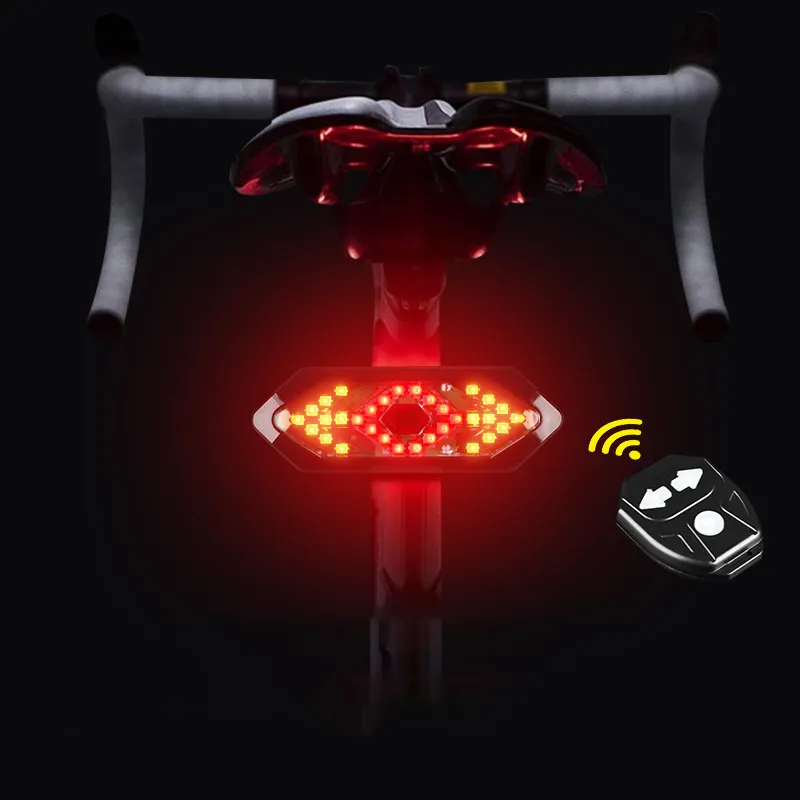
Streamline your procurement by moving beyond standalone helmet factories. We allow Melbourne importers to consolidate helmets with our top-ranking product lines: CE and RoHS-documented USB front and tail lights, 3D-printed carbon saddles, nylon platform pedals, and CNC workshop maintenance tools—all packed into single FCL or LCL shipments.
Procurement & Compliance FAQ
Melbourne Buyer FAQ: Navigating Importation, Testing & Tooling
Essential technical and regulatory answers for supply chain directors, brand managers, and commercial buyers sourcing custom OEM/ODM helmets for the Australian market.
Q:
What are the legal implications of importing non-AS/NZS 2063 certified helmets into Victoria?
Under the Australian Consumer Law (Consumer Goods (Bicycle Helmets) Safety Standard 2020), it is illegal to supply bicycle helmets in Australia that do not strictly comply with AS/NZS 2063:2020. Non-compliant stock can be seized and destroyed by the Australian Border Force at the Port of Melbourne. Additionally, commercial suppliers risk substantial civil penalties and total commercial recalls enforced by the ACCC.
Q:
How does the factory manage AS/NZS 2063 drop-tower and hemispherical anvil testing?
Our on-site QA laboratory utilizes calibrated drop towers configured with flat, kerbstone, and specifically hemispherical anvils. Prior to volume production, pre-production samples undergo thermal (+50°C and -10°C), water immersion, and prolonged ultraviolet conditioning. Helmets are then dropped at 5.4 m/s, requiring peak acceleration to stay well below the statutory 250g limit (our internal engineering threshold is <175g).
Q:
What is the typical tooling investment and turnaround time for a custom private-label helmet design?
Developing a proprietary helmet shell typically involves CNC aluminium mould fabrication for the outer PC shell and high-pressure EPS vacuum casting moulds. Tooling investment typically ranges from US$6,500 to US$14,000 depending on vent complexity, undercut geometry, and size grading. Rapid CAD design and 3D resin prototyping take 7–10 days; steel and aluminium mould tooling is completed within 35–45 days.
Q:
Can we leverage the China-Australia Free Trade Agreement (ChAFTA) to minimize import duties?
Yes. Under the China-Australia Free Trade Agreement (ChAFTA), qualifying bicycle helmets and associated cycling accessories produced at our Zhejiang facilities enter Australia at 0% customs duty. We issue verified ChAFTA Certificates of Origin (Form COO) alongside standard commercial invoices, packing lists, and sea waybills to ensure tariff-free clearance through Melbourne customs brokers.
Q:
What is the minimum order quantity (MOQ) for custom brand graphics, straps, and packaging?
For custom PC water-slide decals, corporate brand livery, pantone-matched shell colours, and custom laser-engraved chin strap buckles, our standard MOQ starts at 300 to 500 units per colourway. For bespoke retail display boxes featuring localized Australian EAN-13 barcodes and mandatory AS/NZS warning leaflets, our printing MOQ is typically 1,000 sets (which can be allocated across multiple scheduled production runs).
Q:
What are the ocean freight lead times from Ningbo/Shanghai to the Port of Melbourne?
Our factory in Jinhua is located approximately 180 km from the Port of Ningbo and 300 km from Shanghai. Direct container line transit to the Port of Melbourne typically takes 14 to 21 days on the water. Factoring in customs clearance, biosecurity processing, and transport to distribution hubs in Dandenong South or Truganina, door-to-door delivery typically averages 26 to 32 days from final ex-factory inspection.
Launch Your Compliant Mountain Bike Helmet Line for Victoria
Consult with our engineering and regulatory team today. From complete CAD development and AS/NZS 2063 test management to consolidated container delivery at the Port of Melbourne, we build the foundations for your brand's growth.