Safety & Electronics
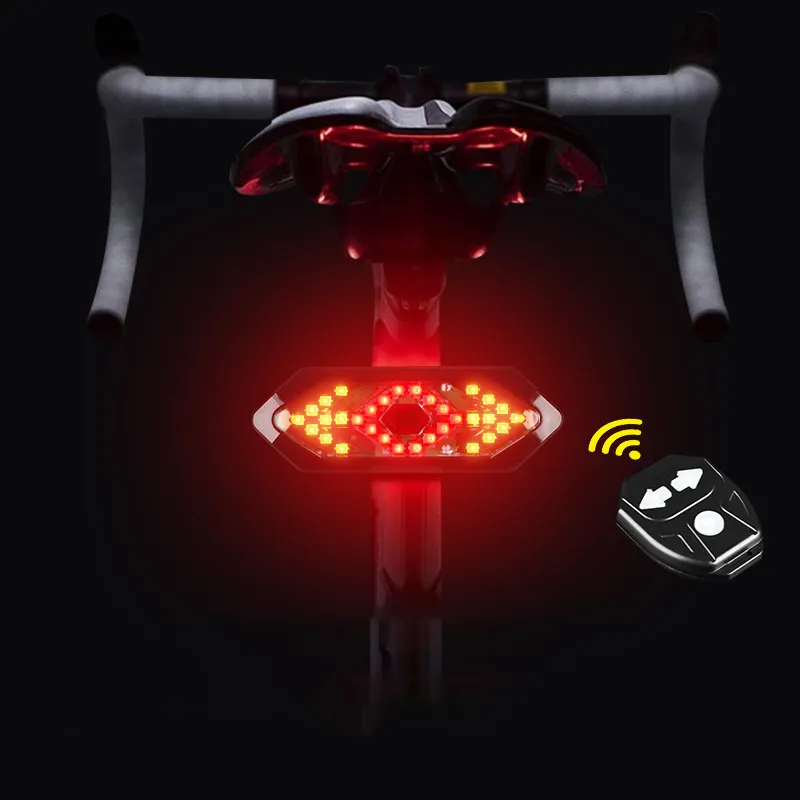
ESLNF Bike Turn Signal Light Smart Remote Switch Wireless LED Tail With Alarm
Verified manufacturing lines combining high-frequency RF-welded waterproof polymers, rugged hardware, and precision ergonomics for direct supply across Salzburg and the DACH region.
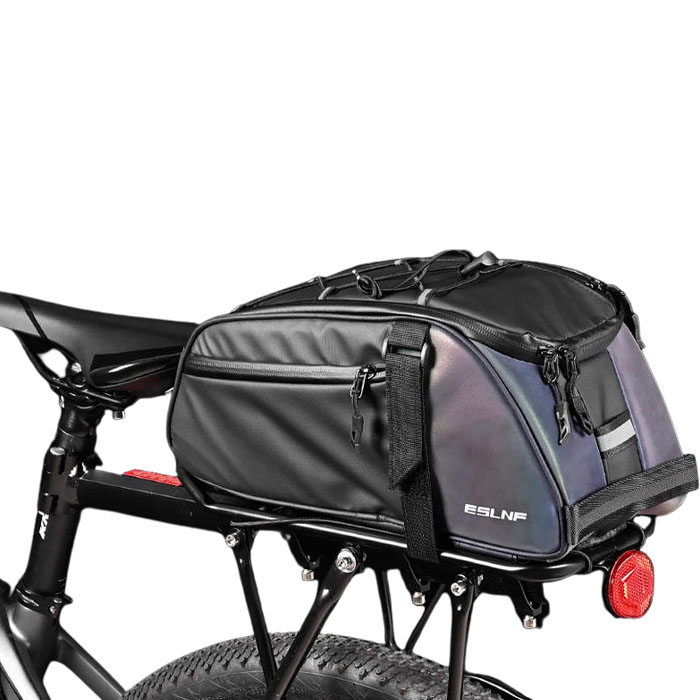
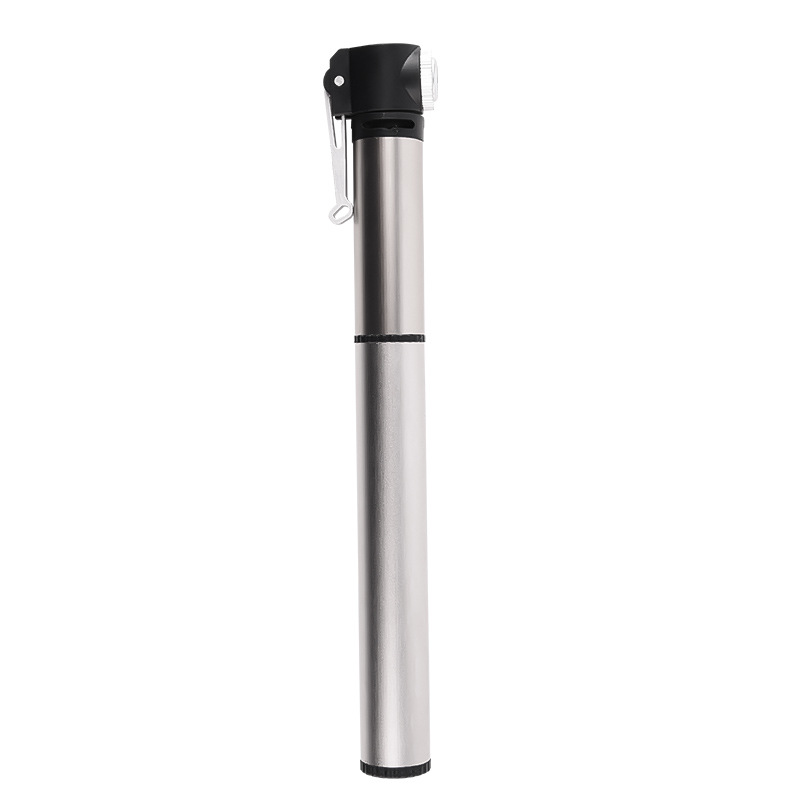
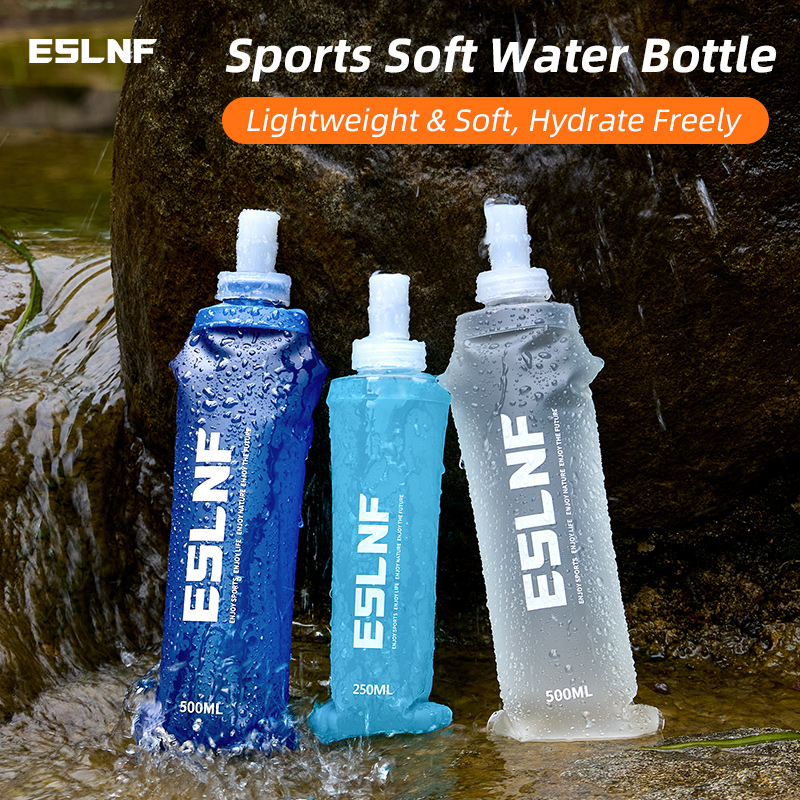
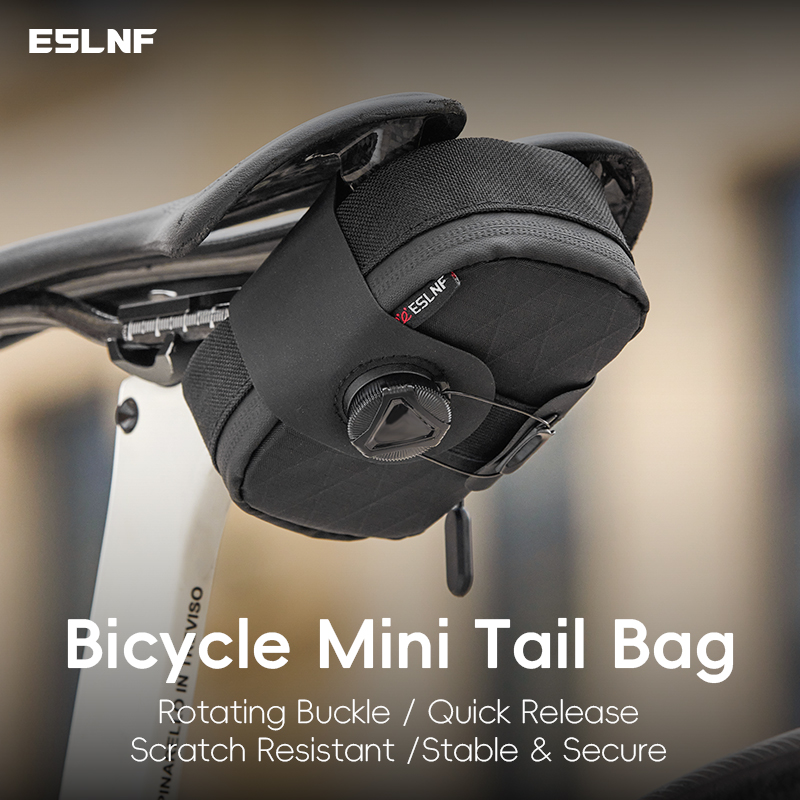
An in-depth industrial overview analyzing alpine geography, multi-modal transport trends, and manufacturing specifications required for European wholesale and distribution.
As the capital of the Federal State of Salzburg and the epicenter of the northern edge of the Alps, Salzburg occupies a uniquely commanding position in Central European cycling infrastructure. From the high-traffic commuter networks paralleling the Salzach River to world-class trans-alpine corridors such as the Tauern Cycle Trail (Tauernradweg), the Alpe-Adria Bikeway, and rugged gravel sectors throughout the Salzkammergut, cycling in this region is both an indispensable daily transport mode and a premier tourist economy. For bike accessory importers, brand aggregators, and sporting goods chains serving Salzburg, sourcing cycling bags and peripheral accessories demands technical capabilities far exceeding baseline urban commuter standards.
Strategic Sourcing Note for Austrian Importers: Alpine climatic shifts dictate that cycling bags marketed in the Salzburg basin must endure abrupt transitions from hot valley microclimates to freezing rain, sleet, and abrasive gravel dust at elevations exceeding 1,200 meters. Sourcing managers must require verified IPX6 seam ratings and cryogenic flex crack resistance on all custom polymer formulations.
To capture commercial market share in western Austria, OEM cycling bag portfolios must align directly with the specific operational demands of local cyclists. Our factory lines support private labels across four primary regional verticals:
Multi-day journeys following the Salzach down from the Hohe Tauern demand 100% waterproof roll-top panniers with QMR quick-locking brackets engineered to resist prolonged vibration fatigue on crushed limestone trails.
Snug-fit aerodynamic frame packs, top-tube fuel pods, and rigid saddle bags engineered with anti-sway seatpost cradles, offering zero lateral deflection during technical off-camber climbs.
Salzburg's daily commuters require hybrid messenger-pannier concepts featuring padded 15.6" laptop compartments, modular shoulder straps, and 360-degree Scotchlite-compliant retroreflective safety prints.
The massive surge in Austrian e-bike sales requires heavy-duty trunk bags with reinforced baseplates, vibration-dampened battery transport sleeves, and thermo-insulated compartments for extended winter commuting.
B2B procurement teams analyzing the Austrian and southern German markets are navigating significant structural shifts in consumer expectations and municipal regulations. Kenus Intelligent Technology continuously upgrades its manufacturing infrastructure to keep client brands at the forefront of these industry movements:
1. Rapid Adoption of Seamless RF (Radio Frequency) Welding: Traditional needle-stitched luggage with glued seam taping is rapidly losing ground to welded TPU (thermoplastic polyurethane) and 840D high-density TPU laminated tarpaulin. At elevations such as the Gaisberg or Grossglockner High Alpine Road, prolonged exposure to atmospheric pressure drops combined with driving precipitation compromises capillary taped seams. High-frequency fusion welds form an absolute molecular barrier, delivering true IPX6 waterproof integrity without added adhesive weight.
2. E-Bike Integration and Dedicated Structural Cradling: E-trekking bikes dominate the current sales share in Salzburg dealerships. As a result, cycling rear bags and carrier panniers must accommodate wider rear luggage carriers (such as Racktime Snapit 2.0 or MIK-compatible systems) and handle gross cargo payloads exceeding 25 kg per side. Our metal-forming and tube welding facilities supply reinforced alloy rack adapters and quick-release spring latches explicitly rated for heavy dynamic torque.
3. Strict Adherence to EU Chemical Safety (REACH) and Circular Materials: Sourcing managers importing into Austria face rigid scrutiny under EU REACH regulations (EC No 1907/2006). All virgin PVC options have been superseded by eco-friendly TPU coatings, recycled RPET textiles, and fluorocarbon-free (PFC-Free / PFAS-Free) DWR (Durable Water Repellent) surface treatments. Furthermore, our hardware fasteners utilize heavy-metal-free engineering polyoxymethylene (POM) resin to prevent brittleness down to -25°C.
The table below summarizes standard testing protocols and material criteria executed in our verified factory lines for goods dispatched to alpine European markets:
| Performance Parameter | Export Standard Specification | Alpine / Salzburg Real-World Demand | Verification / Lab Test Method |
|---|---|---|---|
| Waterproof Ingress Protection | IPX4 to IPX5 standard | IPX6 (Sustained heavy spray, torrential rain) | EN 60529 Water Spray Chamber (3 bar pressure) |
| Textile Base Fabric | 600D Polyester with PVC backing | 420D/840D High-Tenacity Nylon with dual TPU | ISO 13934-1 Tensile Strength & Tear Resistance |
| Low-Temperature Flex Endurance | Cracks at 0°C to -5°C | Maintains pliable roll-top down to -25°C | Cold Crack Mandrel Test (DIN 53351) |
| Buckle & Hardware Durability | Standard recycled ABS plastic | Virgin Dupont POM / Cold-impact Polyacetal | Drop Weight Impact Test & 500N Tensile Pull |
| Visibility & Retroreflection | Single reflective logo placement | Multi-angle prism micro-reflectors (StVO ready) | EN ISO 20471 Photometric Luminosity Inspection |
Operating out of Jinhua, Zhejiang, our TÜV Rheinland-assessed facilities unify metal fabrications, smart electronics, and technical gear into a streamlined supply chain.
Unlike trading intermediaries, our manufacturing floor, assembly lines, laser marking units, and inspection gates have undergone full onsite verification by TÜV Rheinland. Full physical assessment reports, panoramic workshop captures, and inspection audits are available for instant vendor compliance clearance.
Equipped with internal industrial 3D printing equipment, tube reduction machines, and precise CNC cutting guides, we translate European technical sketches into functional ergonomic prototypes in under two weeks. Test fitment, clasp tension, and rail geometries before investing in production molds.
Eliminate European customs clearance barriers. Kenus exports products backed by comprehensive documentation, including CE certifications (SIT230614230201E), RoHS hazardous substance clearance, PSE verification for Japanese markets, and certified EMC electromagnetic reports.
Transparent operational answers addressing logistics, customs documentation, MOQs, and engineering specifications for Austrian cycling distributors.
Connect with our technical engineering group today. Receive full dimensioned CAD drawings, material swatches, TÜV audit certificates, and wholesale pricing structures tailored to European distribution.