Ergonomics
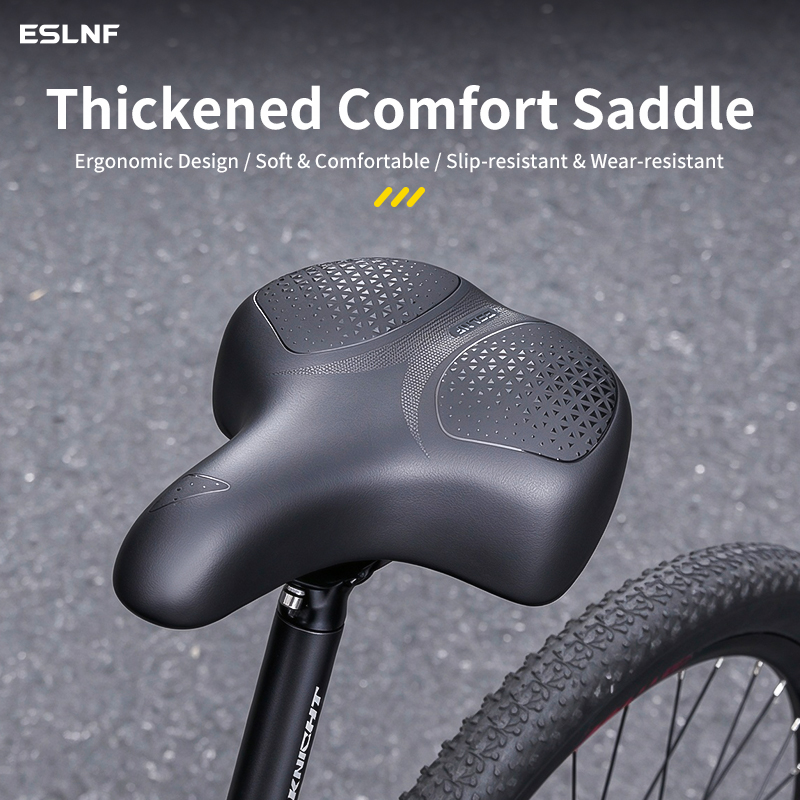
ESLNF Bicycle Saddle High Elastic Rebound Bike Saddle Soft Padded Bicycle Seat
- High Elastic Foam
- Zone Damping
- Universal Rail
Direct-from-factory inventory engineered to meet European test protocols, certified for rapid transit into Düsseldorf and the wider Rhine-Ruhr logistics corridor.
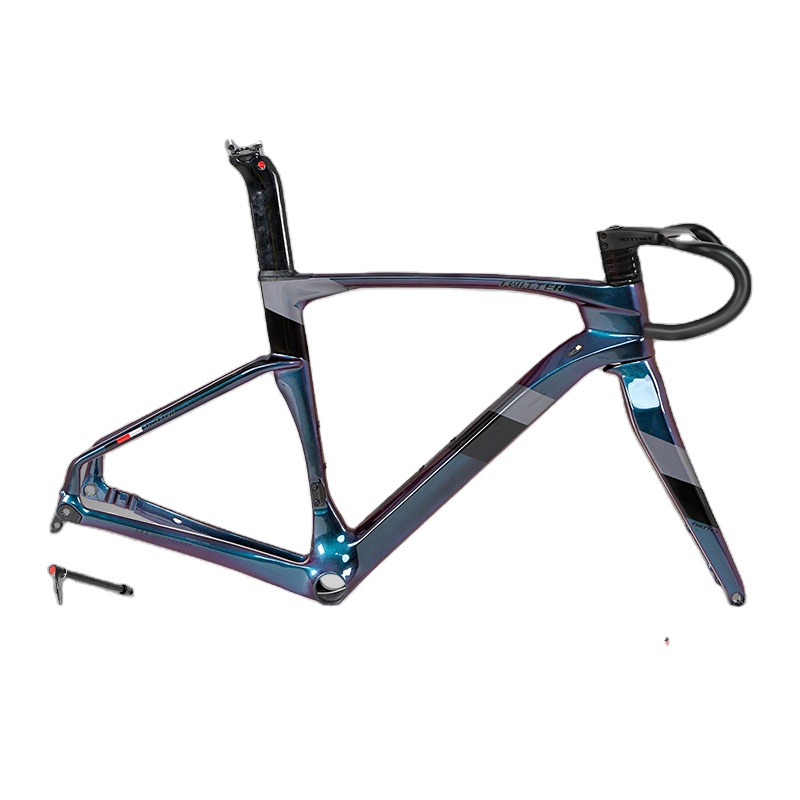
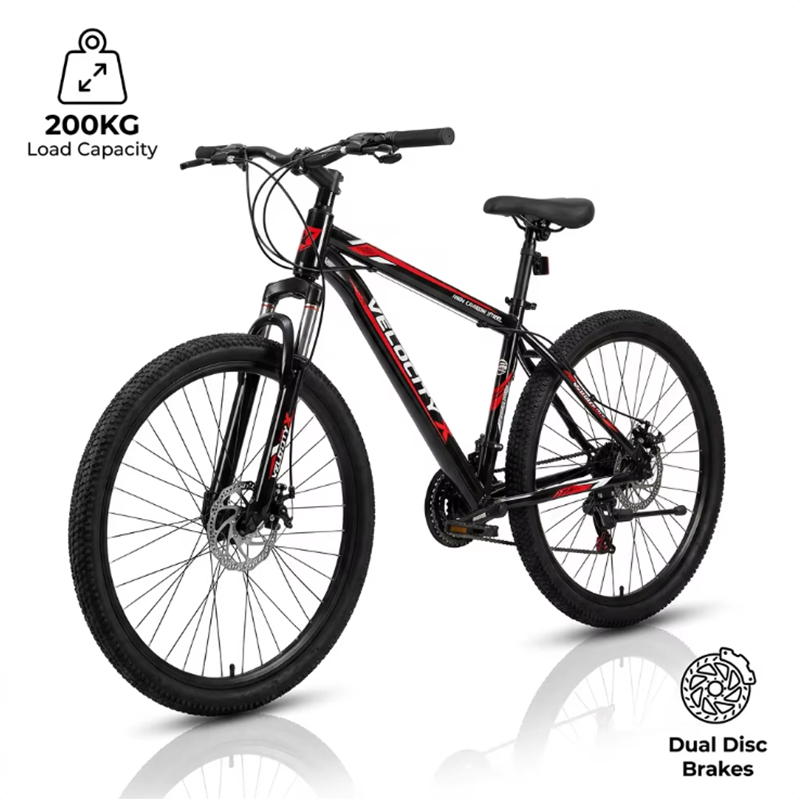
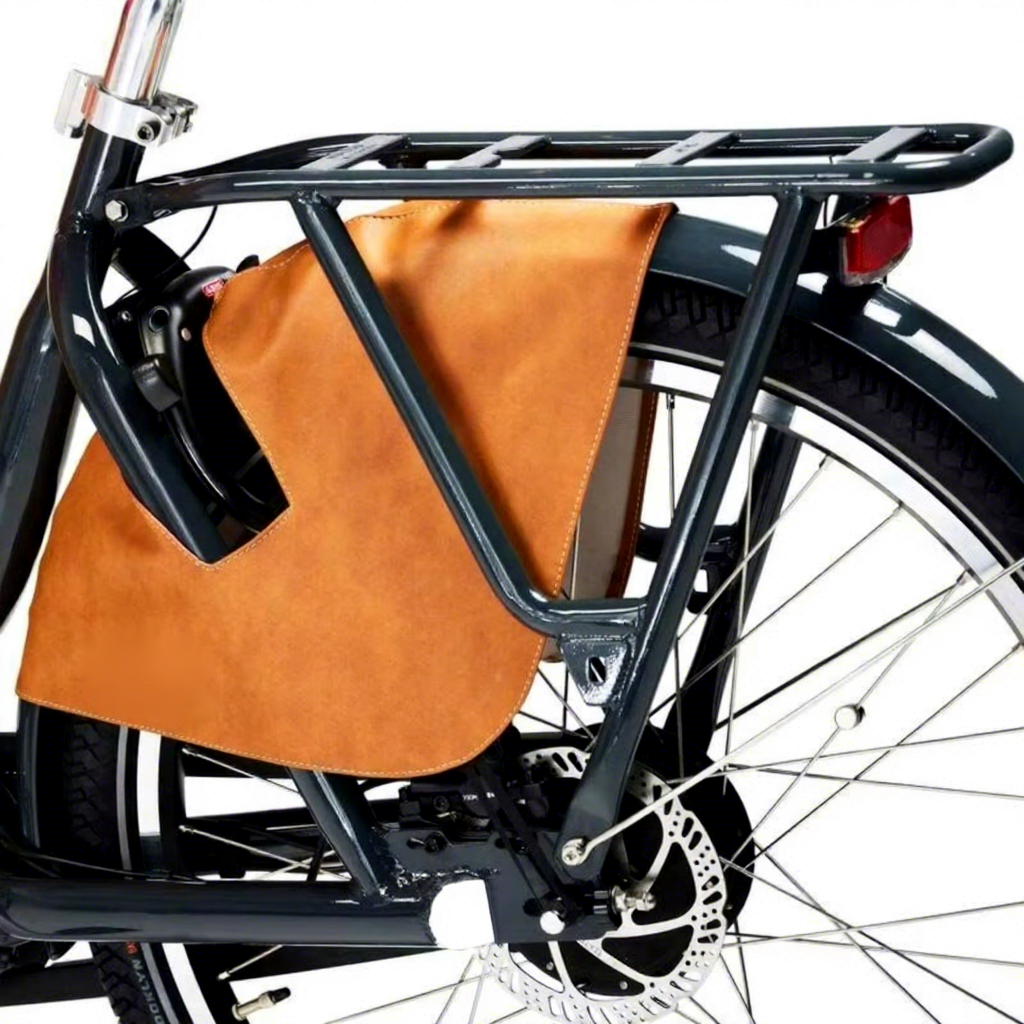
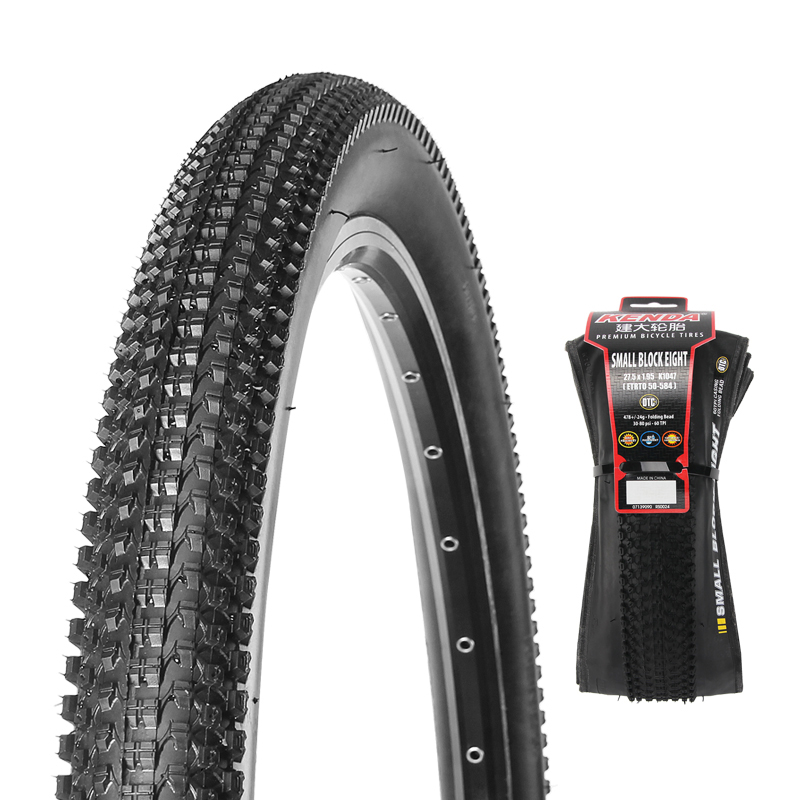
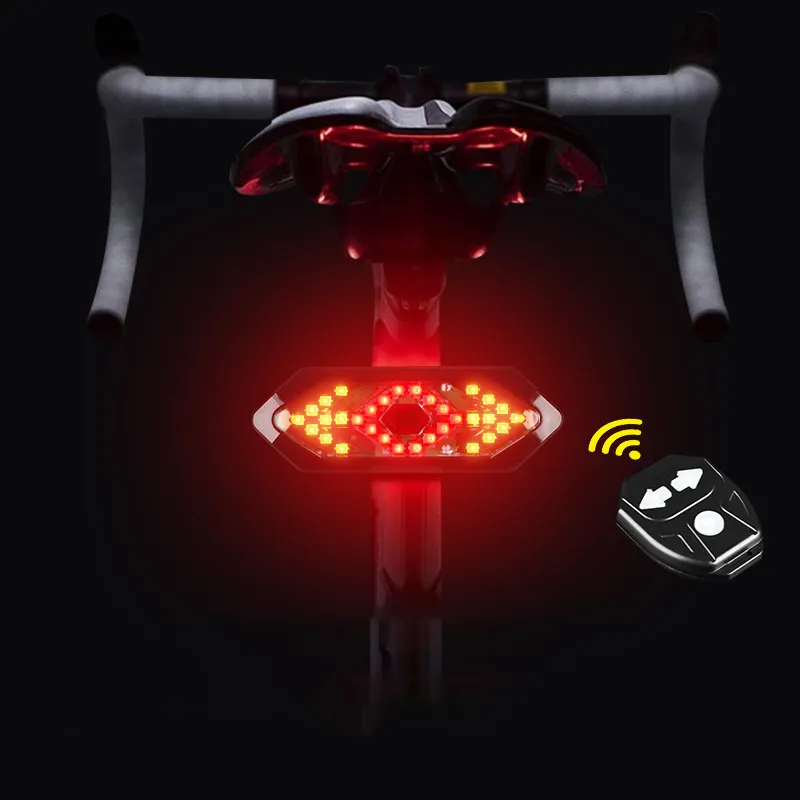
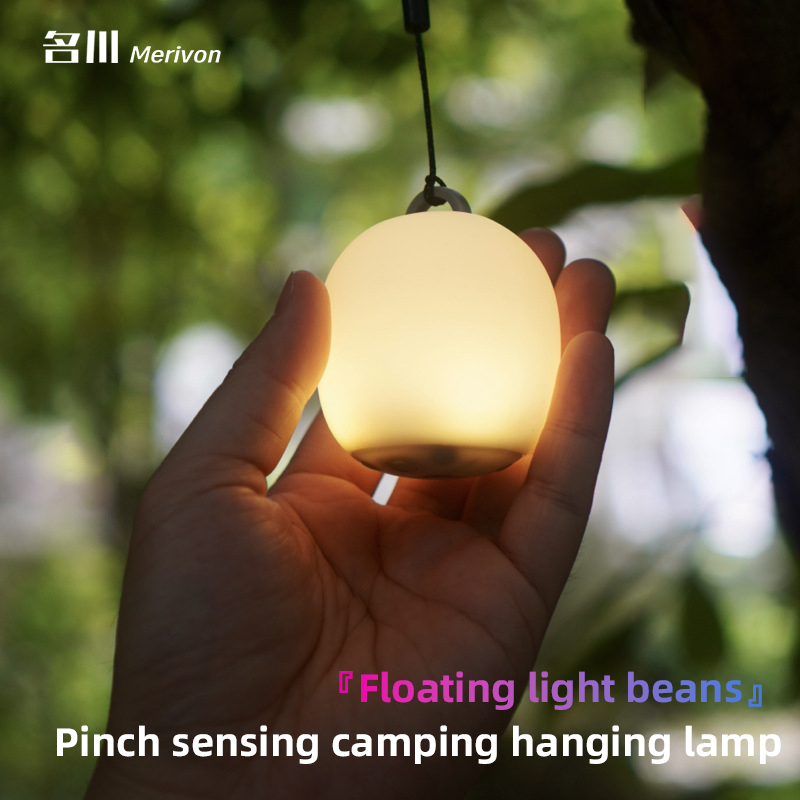
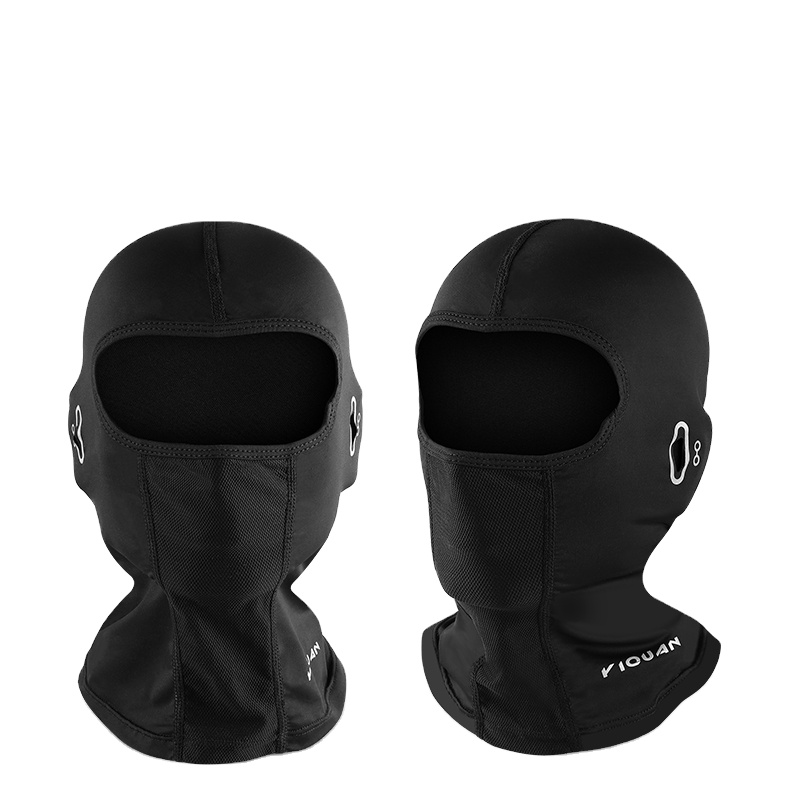
The city of Düsseldorf and its immediate North Rhine-Westphalia (NRW) periphery represent one of Western Europe's most dynamic regional cycling micro-economies. While Düsseldorf itself sits strategically on the flat alluvial Rhine basin, its eastern and northern borders directly interface with demanding topographical transition zones, most notably the Grafenberger Wald, the Aaper Wald, and the undulating foothills leading into the Bergisches Land and the Neander Valley. This unique geographic duality creates distinct procurement criteria for German bicycle distributors, independent bike dealers (IBDs), and outdoor equipment retail brands.
Local cyclists frequently transition from paved urban bike highways, such as the Rhine Embankment Promenade and commuter express paths connecting Düsseldorf to Neuss and Ratingen, into steep, root-heavy technical singletracks within a single outing. Consequently, the demand profile for mountain bike accessories in this market skews heavily toward multi-functional resilience: high-lumen, cut-off beam lighting compliant with strict road safety expectations, vibration-damped cockpit components, and heavy-duty chassis protection capable of resisting the abrasive, loamy mud characteristic of the lower Rhine valley during extended autumn and winter precipitation.
Furthermore, Düsseldorf is situated at the epicenter of Germany's e-mobility transition. The regional adoption of performance e-MTBs (pedelecs capable of 25 km/h assistance across rough terrain) has outpaced conventional mechanical mountain bike sales over recent procurement cycles. This shift has elevated the performance threshold for peripheral components. High-torque e-MTB riding places extraordinary shear forces on pedal axles, demands advanced heat dissipation from hydraulic disc brake pads, and mandates ruggedized mounting brackets that will not slip under heavy motor vibration.

Exporting bicycle accessories into the German market requires far more than basic aesthetic appeal or superficial durability. Importers operating under German jurisdiction face strict commercial liabilities governed by the German Product Safety Act (Produktsicherheitsgesetz - ProdSG). When supplying mountain bike hardware to Düsseldorf distributors, our manufacturing systems align with comprehensive European and national DIN standards to ensure zero friction at customs and downstream retail audit points.
For lighting ecosystems, navigating the German Road Traffic Licensing Regulations (Straßenverkehrs-Zulassungs-Ordnung, specifically StVZO §67) represents a fundamental benchmark. While high-performance off-road mountain biking lights designed for dark forested singletracks demand broad flood patterns and peak lumen outputs exceeding 2,500 lumens, road-transitioning cyclists require strict anti-glare horizontal beam cut-offs to prevent blinding oncoming traffic along urban Rhine corridors. Our R&D division addresses this by engineering dual-mode optical reflector housings and intelligent ambient sensors that dynamically optimize beam distribution without inducing optical distortion or electromagnetic interference.
Mechanically, load-bearing mountain bike accessories—including pedals, handlebars, carbon framesets, and quick-release seat clamps—are engineered in alignment with DIN EN ISO 4210 requirements. Dynamic fatigue life cycles are validated under multi-axis pneumatic testing rigs, verifying that platform pedals and carbon rails maintain structural integrity over hundreds of thousands of variable-amplitude shock impacts mimicking aggressive downhill descents.
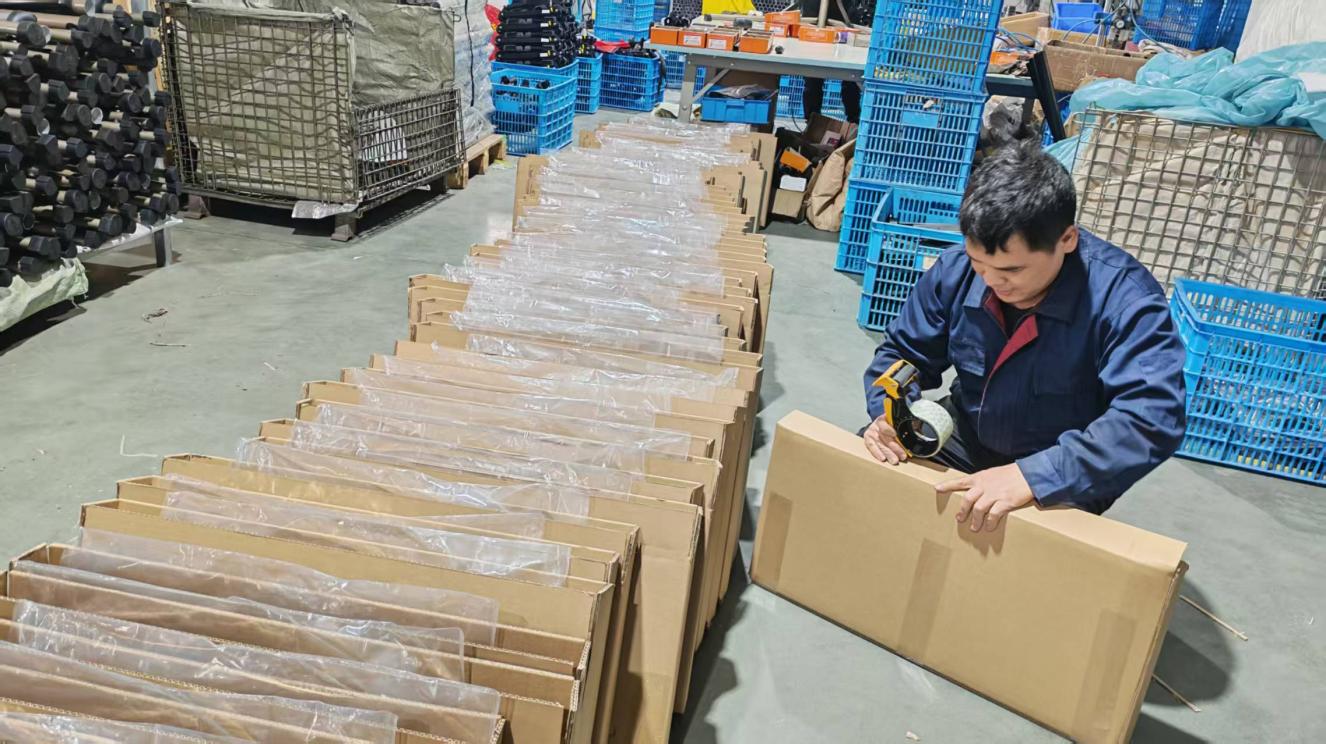
Kenus Intelligent Technology operates verified production lines in Jinhua, Zhejiang, assessed onsite by TÜV Rheinland. Full panoramic documentation, audited workplace safety standards, and verified QA/QC capacities safeguard your brand's supply continuity.
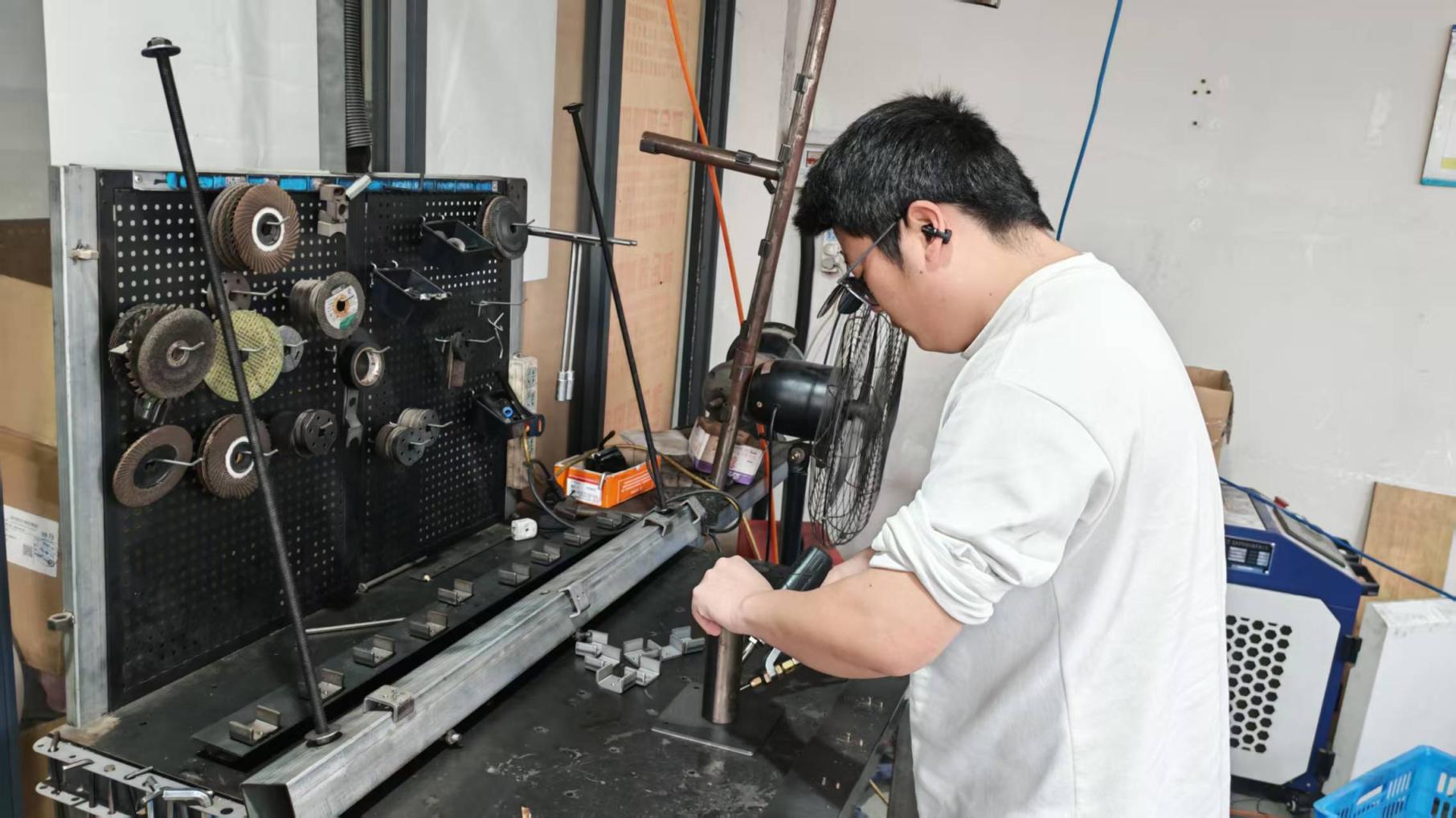
From CAD concept to functional SLA/SLS 3D printed prototypes within 72 hours. We control metal tube constricting, robotic welding, laser CNC engraving, and precision injection molding to eliminate subcontractor delays and protect OEM IP.
Strategic dispatch optimization via multimodal channels: direct container shipping into the Port of Rotterdam or Antwerp with barge transit into Neuss-Düsseldorf, coupled with expedited rail freight via Yiwu-Duisburg for urgent inventory replenishment.
A granular look at how Kenus engineering standards exceed conventional export baselines for European mountain bike distribution networks.
| Parameter / Feature | Kenus Factory Export Standard | Conventional Market Wholesalers | Significance for Düsseldorf Importers |
|---|---|---|---|
| Independent Verification | Onsite Assessed by TÜV Rheinland (Report verified) | Unverified self-declarations / intermediary brokers | Ensures supplier bankability and ESG compliance during corporate retailer audits. |
| Lighting Certifications | CE (SIT230614230201E), RoHS (SIT240417230101R), EMC, PSE | Generic non-accredited certificates or self-tests | Guarantees legal retail placement across Germany and eliminates market surveillance impounds. |
| Cockpit / Frame Metallurgy | Toray T800 Carbon & Double-Butted 6061-T6 Al-Alloy | Commercial grade mixed composite or low-spec alloys | Withstands extreme fatigue cycles on technical Bergisches Land descents. |
| Prototyping & Customization | In-house 3D printing, laser marking, mold manufacturing | Outsourced re-tooling with 45+ day design lag | Enables private-label brands to iterate fast ahead of Eurobike trade launch cycles. |
| Minimum Order Quantities | Trial orders from 2 pcs; Custom OEM branding from 100 pcs | Rigid container-level minimums (1,000+ pcs per SKU) | Allows NRW distributors to validate local sales velocity without excess working capital risk. |
Supply chain reliability is the backbone of successful German bicycle wholesale operations. Situated in Jinhua, Zhejiang, Kenus leverages immediate proximity to the world’s most efficient hardware supply chains and deep-water container terminals at Ningbo-Zhoushan and Shanghai. For German procurement directors balancing cash flow, lead times, and seasonal inventory peaks, we operate a multi-tier freight architecture tailored specifically to the North Rhine-Westphalia commercial corridor.
For standard ocean shipments, full container loads (FCL) and consolidated cargo (LCL) travel via modern container vessels calling at Rotterdam or Antwerp. From these primary European gateway ports, cargo is efficiently transshipped via scheduled Rhine barges directly into the trimodal logistics hub of Neuss-Düsseldorf (Rheinhafen). This waterborne transit bypasses highway congestion, minimizes inland road haulage carbon emissions, and ensures lower landed distribution costs directly adjacent to your regional fulfillment warehouses.
Furthermore, all packaging configurations are engineered to comply with the German Packaging Act (VerpackG) and the central register LUCID. We supply recyclable, unbleached corrugated master cartons and eco-friendly molded pulp interior trays, eliminating single-use polyethylene packaging and mitigating retail disposal fees for our European commercial partners.
Inspect certified laboratory test credentials backing our active lighting, electronics, and mechanical lines.
Bicycle Headlight & High-Lumen Electronics. European Directives conformity.
Multi-purpose illumination gear. 100% compliant with EU heavy metals restriction.
Rechargeable Bicycle Lamp systems. Zero electromagnetic interference on bike computers.
Certified for international battery safety and advanced power cell control circuits.
Direct answers addressing technical parameters, customs classification, testing documentation, and OEM branding logistics.
Consult directly with our engineering team. Request technical CAD specifications, pre-production 3D samples, and tailored FOB/DDP rate sheets for the Düsseldorf and German wholesale trade.