Curated Engineering Portfolio
Engineered Road & Gravel Accessories Ready for Baltic Distribution
Precision-tested cycling components manufactured for rigorous Baltic weather conditions, urban asphalt resilience, and cross-country endurance.
Geographic & Climate Adaptation
Lithuania Market Localization: Operational Realities & Use-Cases
The Lithuanian cycling landscape presents distinct physical challenges that diverge from central and southern European markets. Spanning across metropolitan centers like Vilnius, Kaunas, and Klaipėda to the expansive gravel terrains of the Aukštaitija and Žemaitija National Parks, cycling gear must withstand rapid seasonal shifts. Importers and OEM brand owners must source accessories optimized for high humidity, salt-spray winter grit, prolonged autumn rain, and low-light sub-zero operating environments.
Baltic Winter Commuting & Sub-Zero Battery Performance
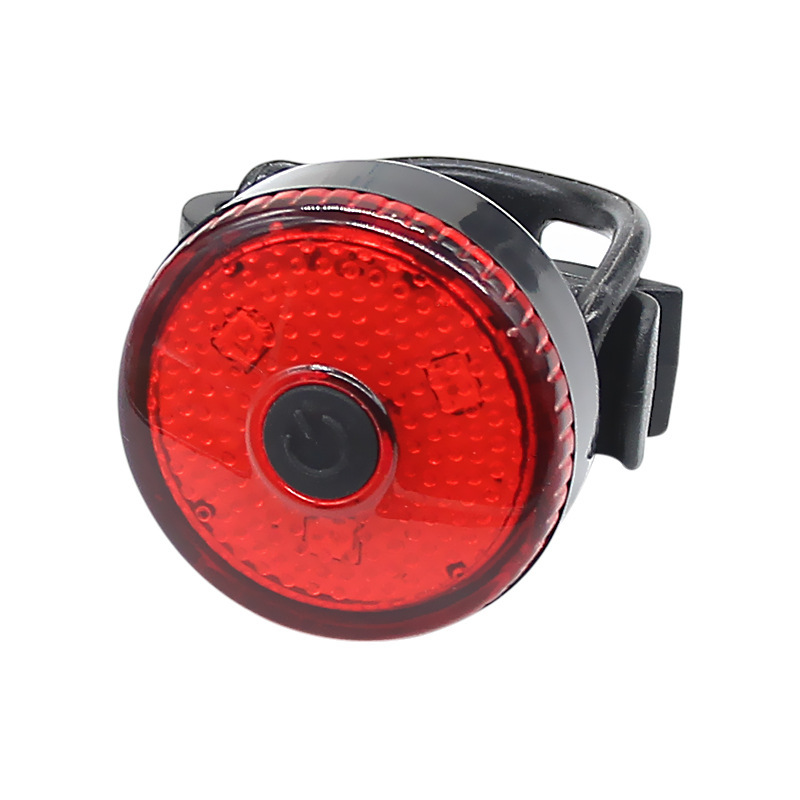
Lithuania's transitional temperate-continental climate demands lighting and electronic accessories equipped with low-internal-resistance lithium cells. Our rechargeable headlights maintain operational lumen stability and battery discharge longevity even at sustained temperatures dropping to -15°C across Vilnius's urban corridors.
Coastal Salt Mist & Klaipėda Marine Corrosion
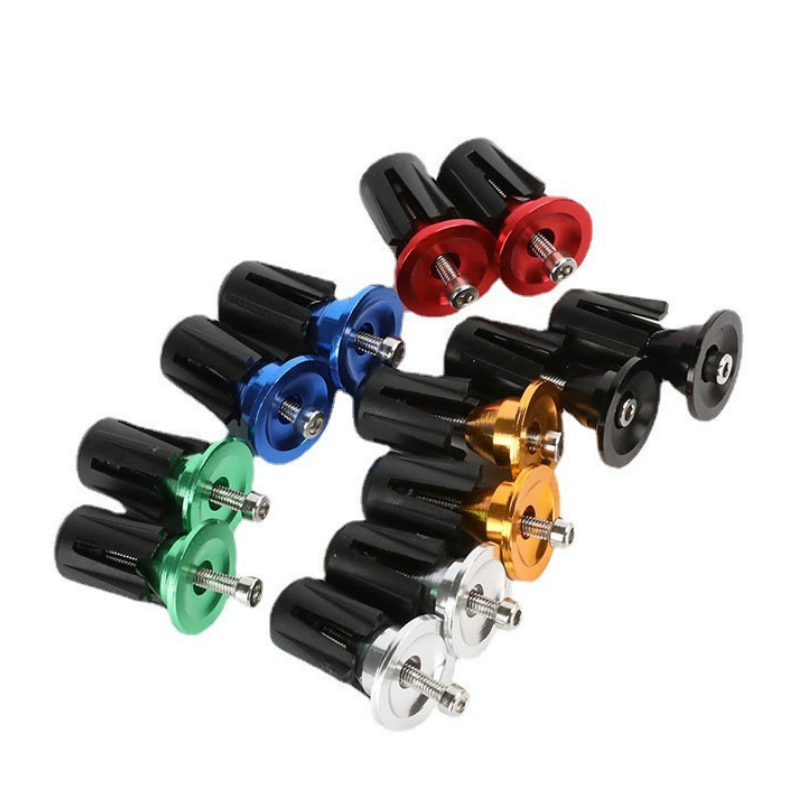
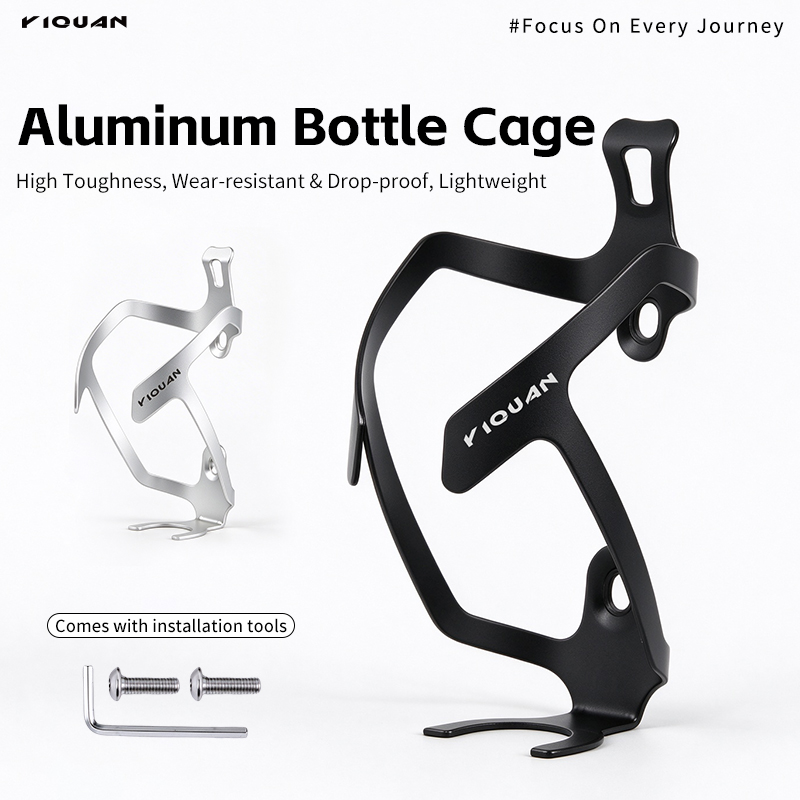
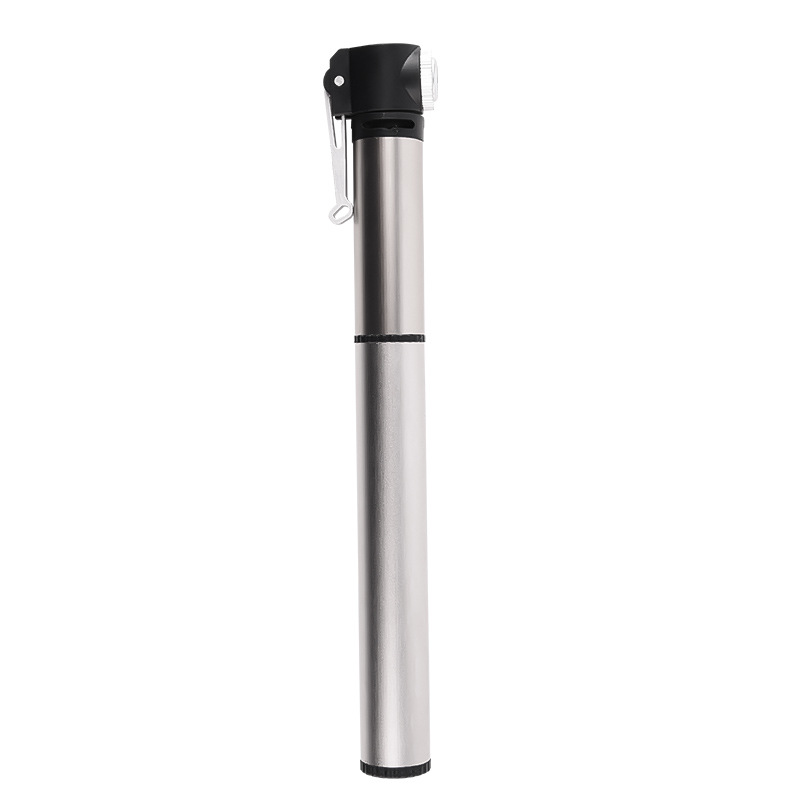
Riders frequenting the Curonian Spit and Baltic coastline face aggressive maritime corrosion. All aluminum hardware—including our CNC bottle cages, handlebar end caps, and pump barrels—utilize mil-spec anodized passivation to eliminate electrolytic pitting from saline winds and de-icing street agents.
EuroVelo 10 & 13 Long-Distance Touring
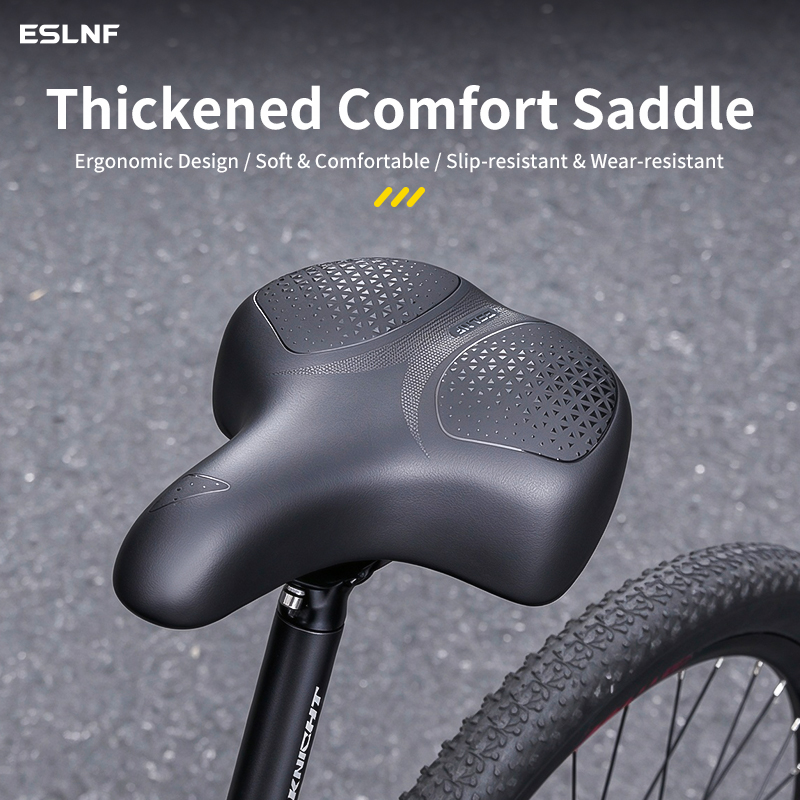
Passing directly through Lithuanian coastal highways, the Baltic Sea Cycle Route creates steady consumer demand for high-capacity cockpit luggage, shock-absorbing PU saddles, and multi-valve high-pressure minipumps engineered to withstand vibrations on mixed cobblestone and rural unpaved arteries.
Macro Economic Analysis
Lithuanian Bicycle Industry & Procurement Trends
Lithuania has rapidly emerged as one of the Baltic region's premier technology and sustainable mobility testing grounds. The expansion of cycling infrastructure under the European Green Deal, paired with municipal subsidies for micro-mobility commuting in Kaunas and Klaipėda, has catalyzed dramatic shifts in retail and OEM sourcing habits:
The E-Road & Commuter Convergence
Demand for accessories supporting heavier mechanical loads and higher road speeds is rising. Our nylon pedals feature reinforced sealed bearing spindles capable of handling the torque loads typical of modern electric assisted and performance road builds.
Stringent Baltic Road Safety Compliance
Lithuanian Road Traffic Regulations (KET) mandate clear, uninterrupted lighting visible from at least 150 meters in low-light conditions. Importers prioritize OEM lighting systems holding genuine CE and EMC test reports to avert customs seizure and liability.
Private-Label Consolidation
Baltic specialty retailers are pivoting from generic reseller models toward localized private brands. Consolidating lighting, tools, saddles, and cockpit accessories under a single accredited OEM manufacturer drives higher margins and builds regional brand equity.
Verified Manufacturing Credibility

Engineered by Kenus: Production Reliability You Can Audit
Kenus Intelligent Technology Co., Ltd. operates from Jinhua, Zhejiang—the manufacturing heartland of high-precision metal processing, advanced polymers, and export logistics. As an independently assessed factory verified by TÜV Rheinland, we provide Lithuanian and European importers with total transparency, engineering precision, and rapid custom turnaround.
Onsite Factory Capabilities Verified by TÜV Rheinland
Our facility integrates end-to-end tooling, tube reduction, welding, automated laser marking, in-line testing, and final retail assembly under one roof:
- Full In-House Metal Forming: Precision tube constrictors, drilling stations, and custom alloy welding jigs for cockpit and parking equipment.
- TÜV Verified Quality Management: Multi-stage QC audits from incoming raw aluminum and polyamides to luminous flux verification on cycling lights.
- Rapid Prototyping & Mold Tooling: In-house industrial 3D printing and CAD engineering to produce bespoke functional prototypes before full mold commitments.
- Complete Regulatory Paperwork: Valid test reports and certificates including CE (SIT230614230201E), RoHS (SIT240417230101R), and EMC (SIT250212230201ER).
Procurement Intelligence
Frequently Asked Questions for Lithuanian Importers
Essential regulatory, logistical, and technical considerations when sourcing OEM/ODM bicycle accessories for the Lithuanian and Baltic markets.
How do our accessories comply with Lithuanian customs and EU environmental norms?
All active lighting, electronic accessories, and polymer equipment exported to Klaipėda or Vilnius are fully certified to EU standard CE, RoHS, and EMC directives. We supply genuine certificate test numbers and documentation verified through accredited testing agencies, preventing customs clearance delays at EU external borders.
What are the standard freight routes and lead times to Lithuania?
We routinely support freight dispatch via Sea Freight (FCL/LCL) arriving at Klaipėda Seaport (approximately 32–38 days), China-Europe Railway Express (CR Express) delivering into Vilnius terminals (18–22 days), or expedited Air Cargo via Vilnius (VNO) and Kaunas (KUN) airports for rapid seasonal replenishment.
What is the minimum order quantity (MOQ) for custom private-label branding?
To support growing Baltic cycling brands, our sample orders and trial shipments start from as low as 2 units on standard inventory items. For custom laser-engraved logos, personalized color anodization, or custom retail packaging, MOQs generally begin at 100 to 500 units depending on the product line.
Can you manufacture custom-engineered accessories from our 3D CAD models?
Yes. As a verified custom manufacturer with onsite tube processing, CNC tooling, and rapid industrial 3D prototyping printers, our engineering team can review your STP/DWG technical drawings, manufacture working prototypes within 7 days, and execute high-precision tooling.