
Engineering Road Bike Helmets for Australia's Stringent Regulatory & Climatic Demands
A comprehensive technical breakdown of in-mold polycarbonate fusion, variable-density expanded polystyrene (EPS) liners, dynamic impact testing, and aerodynamic thermodynamic airflow management.
Entering the Australian cycling equipment market requires an unmatched level of technical precision and legal compliance. Unlike many international territories where consumer bicycle helmets operate under voluntary self-declaration or general consumer product safety frameworks, Australia enforces mandatory statutory compliance governed by the Australian Competition and Consumer Commission (ACCC) under the Consumer Goods (Bicycle Helmets) Safety Standard, which mandates uncompromising adherence to AS/NZS 2063. As a vertically integrated OEM/ODM manufacturer, our facility bridge the gap between high-volume manufacturing economies of scale and strict bench-level metrology required to pass Australian certification on the first submission.
Our production methodology centers on structural co-molding. In conventional low-cost fabrication, outer shells are stamped separately and bonded via mechanical tape or localized adhesives, leading to delamination under Australia's notorious solar radiation exposure. Our factory utilizes high-pressure thermo-pneumatic in-mold tooling. Virgin aerospace-grade polycarbonate (PC) micro-shells are pre-formed with integrated structural ribs and placed directly into precision CNC steel tool cavities. High-grade expandable polystyrene (EPS) beads, sourced exclusively with consistent expandability ratios, are injected under controlled steam pressure. This creates a homogeneous molecular fusion across the entire surface area, increasing torsional rigidity by over 34% while preventing shell peeling during high-speed kinetic impacts.
Dual-Density EPS Cushioning
Multi-zoned core construction combines high-density outer EPS (to dissipate initial deceleration forces during violent drops) with soft-density inner EPS (to dampen secondary micro-concussive g-forces transferred to the cranium).
Thermodynamic Venturi Ducts
Engineered using Computational Fluid Dynamics (CFD), internal air channels draw cool ambient air over the frontal lobes and accelerate warm exhaust out through rear low-pressure vortex exhaust ports.
Micro-Adjustable Retention Rigs
Features 3-position vertical occipital cradle adjustment coupled with reinforced nylon-webbed chinstraps, ITW quick-release buckles, and UV-stabilized micro-dial dials rated for 15,000+ continuous ratchet cycles.
Technical Specification Matrix: OEM Australian Road Helmet Form Factors
| Platform Code | Target Riding Category | Shell Material / Bonding | EPS Core Density | Retention & Buckle System | Weight (Size M) | Lab Certification Status |
|---|---|---|---|---|---|---|
| AU-AERO-01 | Road Race / Criterium / Time Trial | Polycarbonate Vacuum In-Mold (Full Wrap) | Triple Density (85g/L - 105g/L) | Magnetic Fidlock / Nylon Webbing | 235g ± 10g | AS/NZS 2063 Pass |
| AU-VENT-04 | Endurance / Gran Fondo / Alpine Climbs | Multi-Piece Skeleton Co-Molded PC | Dual Density (75g/L - 90g/L) | Micro-Dial Ratchet / ITW Buckle | 215g ± 8g | AS/NZS 2063 Pass |
| AU-COMMUTE-X | Urban Commuting / Fast Gravel / E-Road | Extended Occipital PC with Integrated Rear Light Mount | High Resilience Structural EPS (95g/L) | Cam-Lock Lateral Dividers / Reflective Webbing | 265g ± 12g | AS/NZS 2063 Pass |
In-house laboratory validation is fundamental to how we eliminate import risk for our clients. Every production run undergoes continuous batch destructive testing inside our climate-controlled testing cell. Helmets are conditioned at +50°C heat, -10°C cold, and ambient water immersion before undergoing guided free-fall drop tests onto flat and hemispherical steel anvils. Piezoelectric tri-axial accelerometers installed within ISO headforms record deceleration curves to confirm that peak cranial deceleration never exceeds the 250g threshold mandated by Australian law.
Onsite Assessed Infrastructure: From Rapid Prototyping to Mass Export
Consolidating high-precision plastic tooling, tube forming, CNC laser marking, cleanroom assembly, and stringent QC protocols under one audited roof in Jinhua, Zhejiang.
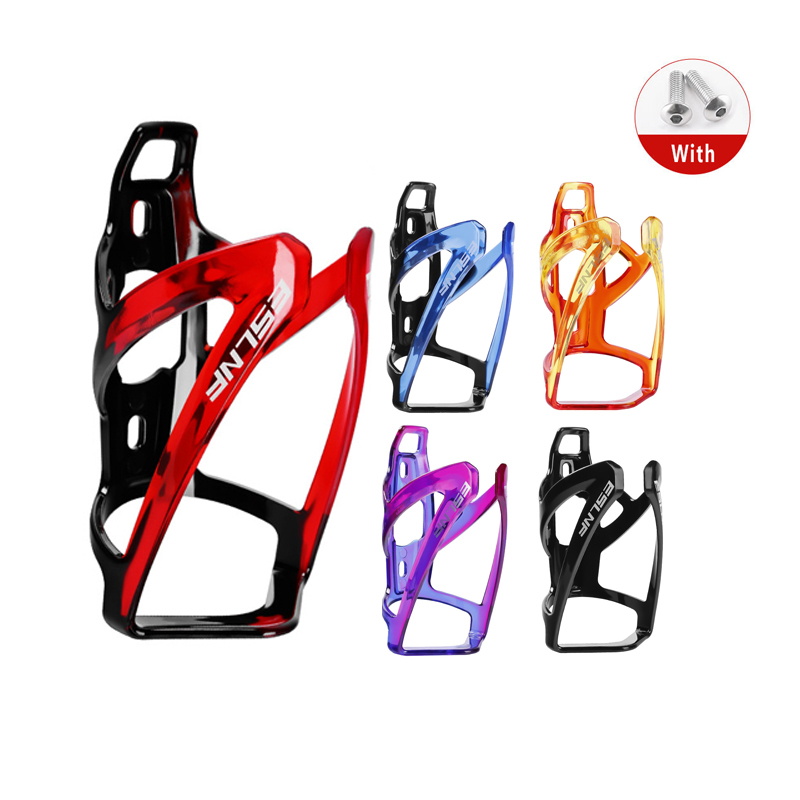
As documented through our independent TÜV Rheinland onsite supplier assessment, our manufacturing facility merges cutting-edge digital rapid prototyping with industrial-grade series production. Sourcing road cycling helmets and complementary accessories (such as aerodynamic bottle cages, lightweight alloy handlebar components, and high-lumen lighting) requires a manufacturing partner with proven capacity and absolute transparency. Importers no longer have to navigate fragmented multi-tier brokers; Kenus Intelligent Technology Co., Ltd. provides direct engineering ownership.
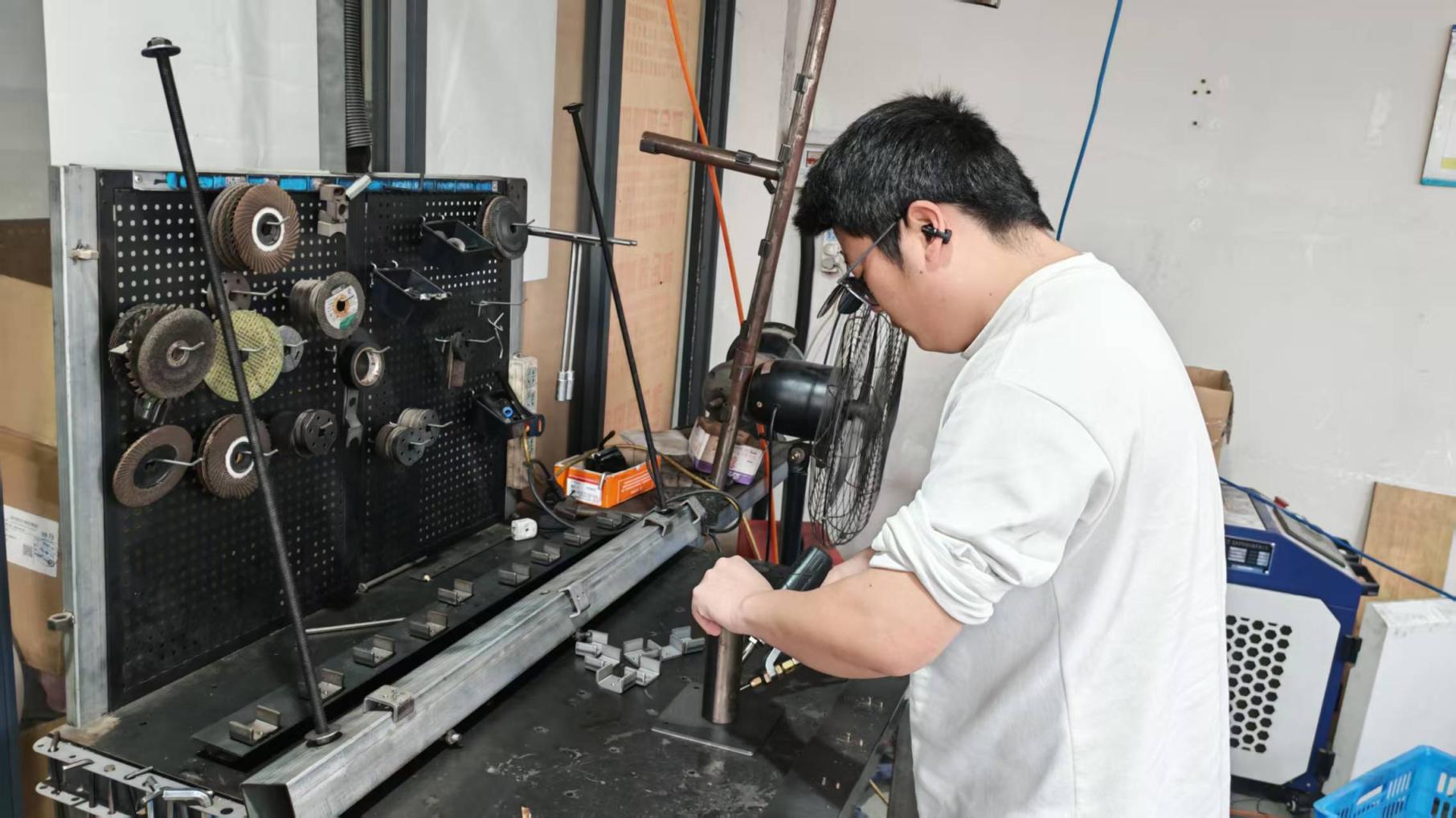
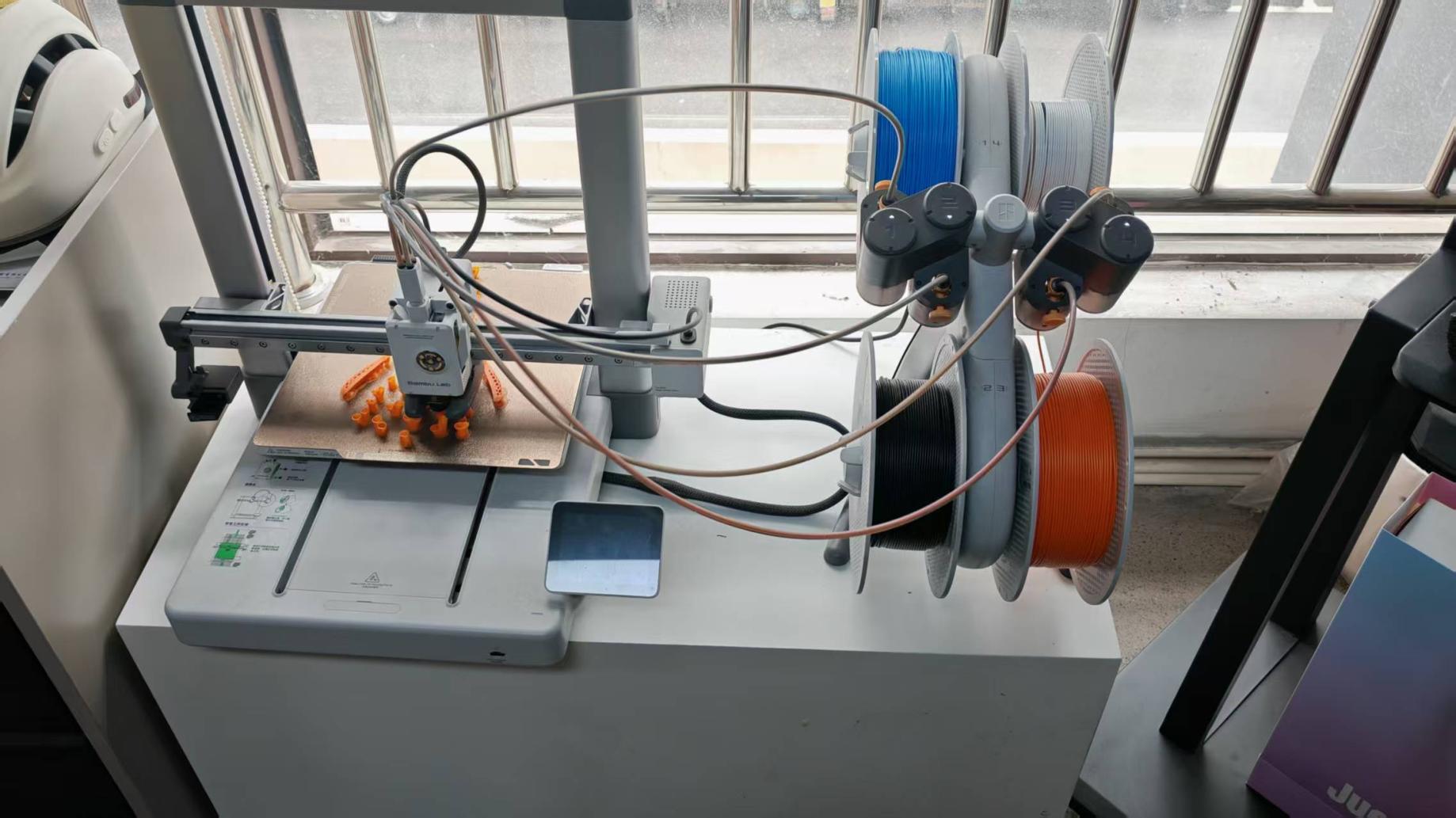
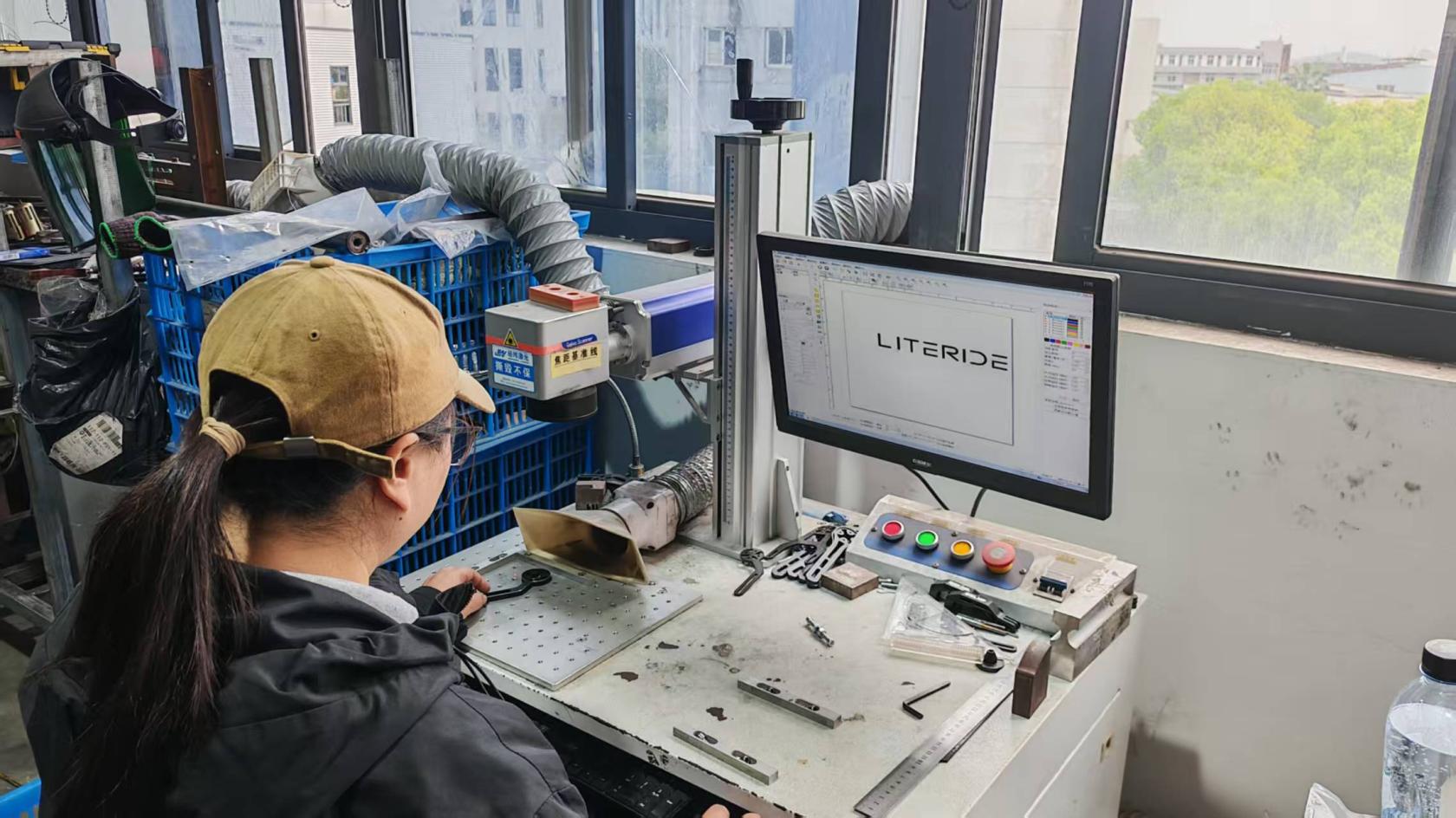
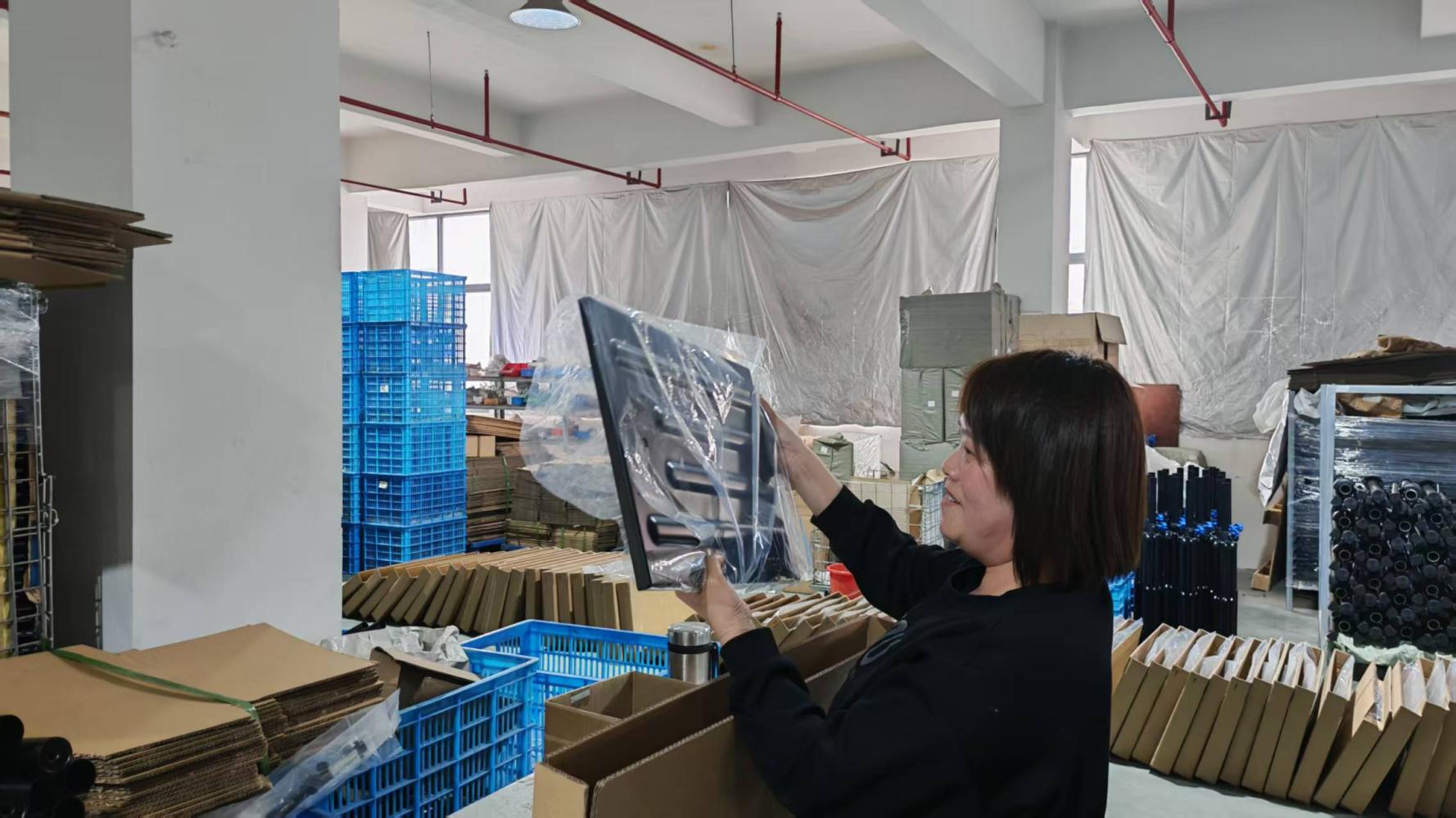
CAD / CAM Engineering Team
We work directly from STP/IGS files, concept sketches, or reverse-engineered samples. In-house 3D printing allows functional test samples within 7 business days, shortening new helmet development cycles by 60%.
Turnkey Private-Label Artwork
Full-coverage water-slide decaling, automated UV curing spray booths, scratch-resistant matte/gloss finishes, and Australian mandatory warning label printing seamlessly implemented into standard packaging lines.
Consolidated Freight Logistics
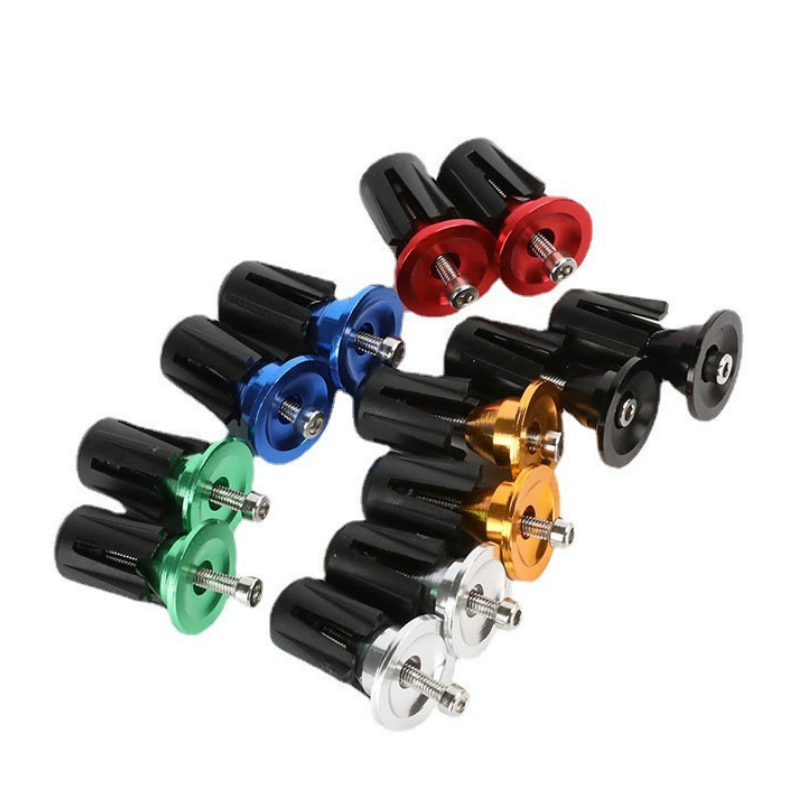
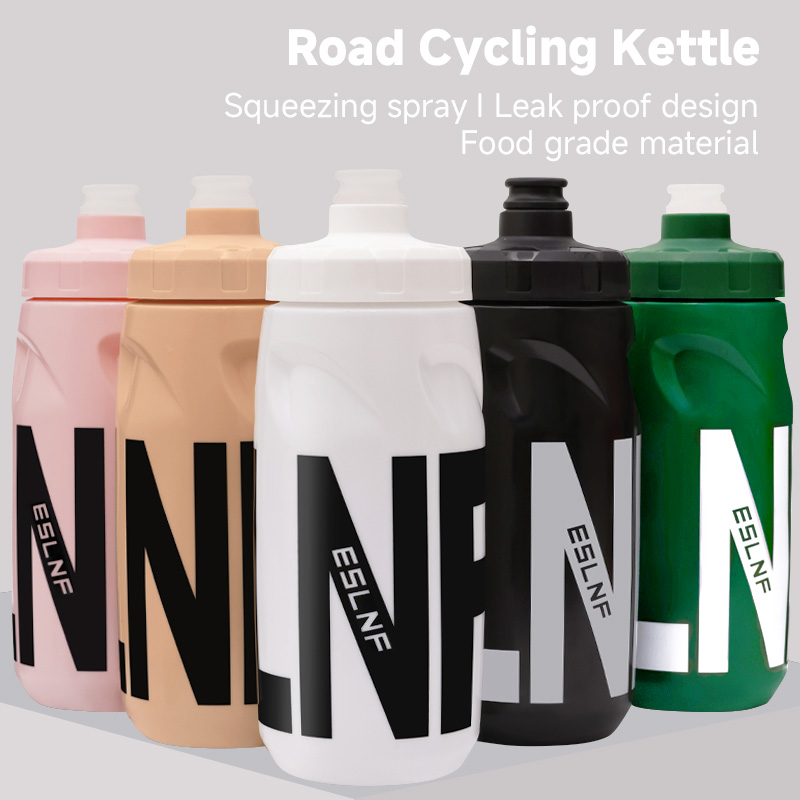
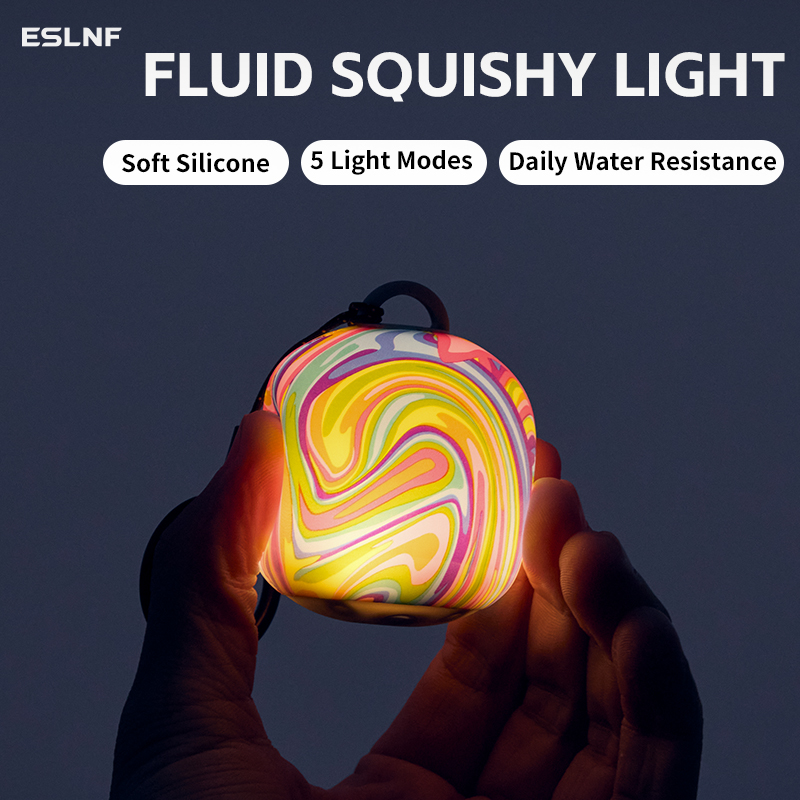
Full support for OEM mixed-container consolidation. Combine customized road helmets with private-label bike lights, alloy pedals, CNC bar plugs, and hydration gear directly from Jinhua to Ningbo/Shanghai ports.
Tailored Engineering for Australia's Harsh Micro-Climates and Terrains
From intense solar heat and coastal salt mist to high-cadence criterium bunch sprints, Australian road cycling imposes unique performance criteria.
High-UV Solar Heat Dissipation
Summer riding in Queensland, Western Australia, and inland New South Wales frequently exceeds 38°C with extreme UV indexes. Our helmets utilize UV-stabilized exterior polycarbonates to eliminate shell embrittlement, paired with antimicrobial silver-ion padding that wicks sweat rapidly under high perspiration rates.
Coastal Marine Humidity & Salinity
Iconic Australian coastal routes—such as Sydney's Northern Beaches, Melbourne's Beach Road, and the Great Ocean Road—expose gear to aggressive airborne salt spray. All mechanical hardware, micro-dial springs, and chin strap rivets are constructed from 304/316 grade stainless steel and corrosion-resistant alloys.
Fast Criterium & Gran Fondo Racing
Club racing under AusCycling sanctions requires low aerodynamic drag, broad peripheral vision for pack racing, and rigid multi-impact integrity. Truncated teardrop profiles minimize yaw drag across typical crosswinds while internal cage reinforcements prevent catastrophic shell shattering in tight bunch spills.
Urban Micro-Mobility & E-Bike Commute
Metropolitan commuting in Sydney, Brisbane, and Melbourne demands enhanced visibility in low-light twilight conditions. We integrate modular rear LED light brackets compatible with our high-lumen rechargeable lights, along with 360° retroreflective 3M micro-prismatic transfer graphics.
Gravel & Mixed-Surface Exploration
The Australian gravel boom requires road-inspired weight combined with extended rear cranial coverage. Our hybrid gravel/road platforms feature reinforced occipital drop sections and integrated sunglass gripper docking ports designed to absorb washboard vibration without dislodging eye protection.
Fleet, Tour Operator & Rental Programs
Tourism and municipal corporate rental operators across Victoria and Gold Coast require high-durability, scuff-resistant finishes and color-coded size dials that withstand continuous sanitization washes and rough daily public turnover without degrading structural foam.
Evolving Dynamics in the Australian Cycling Headwear Industry
Anticipating consumer preferences, regulatory updates, and commercial wholesale opportunities across ANZ distribution networks.
The Australian cycling market has entered an era of technological maturation. Australian riders are recognized globally as discerning early adopters who place a premium on safety technology, aerodynamic verification, and minimalist industrial design. For B2B importers, distributors, and private-label retail brands, four distinct macro trends are actively reshaping procurement strategies:
Rotational Force Mitigation
Australian consumers increasingly reject entry-level road helmets lacking rotational impact dissipation. Our ODM development offers custom low-friction slip planes and multi-directional elastomeric suspension systems designed to decouple angular acceleration during off-camber spills.
Circular & Bio-Circular Materials
Driven by Australian corporate ESG mandates and retail sustainability benchmarks, we are actively integrating recycled EPS (rEPS) cores, certified ocean-bound recycled polyester strap webbings, and water-based non-VOC exterior pigment formulations.
Integrated Cockpit Eco-Systems
Bicycle brands are actively seeking cohesive visual and functional synergy. Buyers streamline supply chains by ordering color-matched helmets, handlebar wraps, CNC end-plugs, and bottle cages in unified manufacturing batches under one roof.
Furthermore, mandatory helmet legislation in all Australian states (enacted from 1990–1992) ensures that helmet ownership is non-discretionary. With Australian cycling participation surging across both e-bike commuting and regional gravel touring, wholesale inventory turnover has accelerated. Importers who maintain reliable, compliant production partners with predictable 30-day production turnarounds hold a decisive competitive edge over competitors burdened by 120-day legacy lead times.
Frequently Asked Questions by Australian Importers & Brands
Everything sourcing managers, quality engineers, and brand directors need to know regarding AS/NZS 2063 compliance, testing, lead times, and MOQ.
What is the exact legal framework for importing bicycle helmets into Australia? +
In Australia, all bicycle helmets supplied into commercial trade must comply with the Consumer Goods (Bicycle Helmets) Safety Standard, which mandates compliance with AS/NZS 2063 (the standard for bicycle helmets). Unlike the European CE EN 1078 or US CPSC 1203 standards, AS/NZS 2063 has specific requirements including strict test rig drop heights, retention system dynamic load limits, projection restrictions (to prevent snagging during a slide), and mandatory consumer warning labels permanently attached inside the helmet.
Supplying non-compliant helmets is a criminal offence under the Australian Consumer Law (ACL), exposing importers to severe civil penalties, mandatory product recalls, and customs seizure by the Australian Border Force. Our factory designs specifically for AS/NZS 2063 parameters, ensuring zero friction during laboratory type audits.
How do you handle third-party testing with bodies like SAI Global, Benchmark, or BSI? +
We provide full turnkey support for third-party accredited laboratory verification. When developing an OEM helmet platform for Australia, our in-house lab first conducts complete pre-compliance testing (hot, cold, wet drops and retention pull tests). Once verified internally, we prepare golden production samples, dimensioned engineering technical dossiers, and material safety data sheets (MSDS).
We then coordinate sample dispatch to your chosen JAS-ANZ accredited testing facility (such as SAI Global's "Five Ticks" program, BSI Benchmark, or certified equivalent laboratories) for formal Type-5 certification testing. All batch records, test reports, and factory quality audit documentation are archived for immediate client access.
What is the Minimum Order Quantity (MOQ) for custom private-label road helmets? +
For existing open-mold tooling customized with your brand’s bespoke colorways, water-slide graphics, personalized internal comfort pads, customized strap webbing, and branded packaging, our standard MOQ starts at 300 to 500 units per colorway, with flexible size distribution (e.g., Small, Medium, Large).
For completely exclusive bespoke proprietary shell designs requiring newly commissioned aluminum tooling, tooling amortization is evaluated based on projected annual volume. Rapid 3D printing and polyurethane prototype models are produced beforehand for fit and aerodynamic approval before steel/aluminum cutting begins.
How does your factory manage shipping, packaging compliance, and Australian ports? +
Our export documentation complies fully with Australian customs and biosecurity regulations. All shipping cartons are manufactured using heavy-duty 5-ply fluted corrugated board with moisture-barrier liners to prevent collapse during humid sea transit. Pallets utilize heat-treated, ISPM-15 compliant timber or export-grade recyclable plastic to clear Department of Agriculture, Fisheries and Forestry (DAFF) biosecurity inspections without delay.
We routinely arrange FOB Ningbo/Shanghai, CIF, and DDP shipments directly to distribution warehouses in Sydney (Port Botany), Melbourne (Port of Melbourne), Brisbane (Port of Brisbane), and Fremantle. Clients can also consolidate bicycle helmets with our bike lights, cages, and tools to maximize container fill rates.
Can your engineering team adapt European (EN 1078) or American (CPSC) molds for Australia? +
Yes. Many brand owners discover that an off-the-shelf EN 1078 helmet will fail the more stringent impact drop velocities or anvil geometries mandated by AS/NZS 2063. Our engineering department can modify existing tooling inserts, increase EPS density gradients in critical apex and temple impact zones, and redesign retention anchor points to ensure full compliance with Australian law without incurring the cost of completely new tooling.