3,250 LM
Peak Illumination Threshold
IP64 / IP67
Maritime Ingress Waterproofing
TÜV Assessed
Audited Onsite Manufacturing
Antwerp Hub
Direct FCL/LCL North Sea Routing
Factory Catalog Selection
Engineered Bicycle Gear & Smart Illuminance Systems
Direct OEM manufacturing pipeline supporting Antwerp bicycle retail networks, commuters along the F1 Cycle Highway, and European cargo fleets.
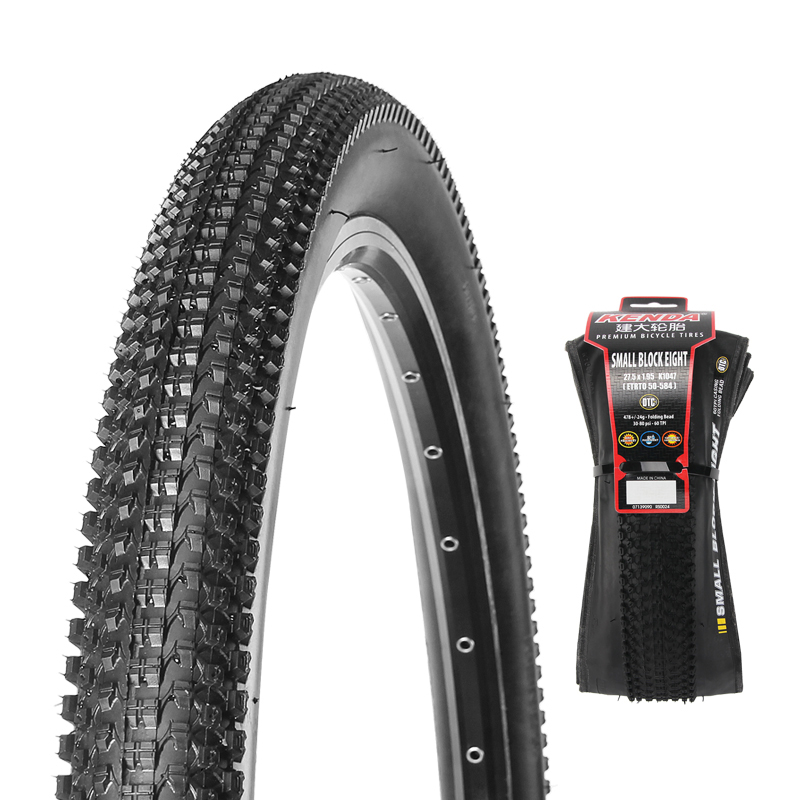
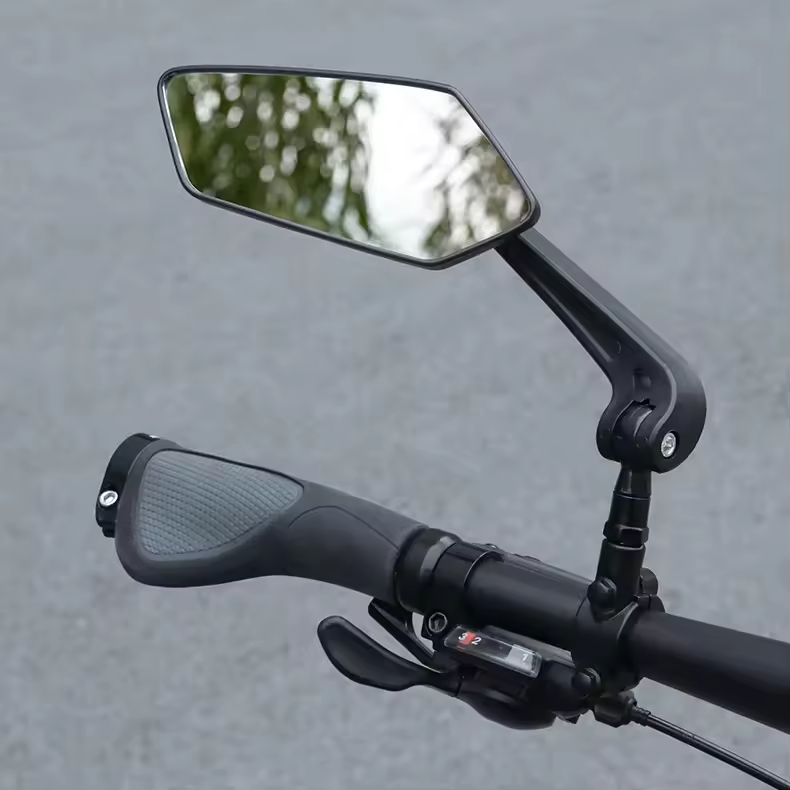
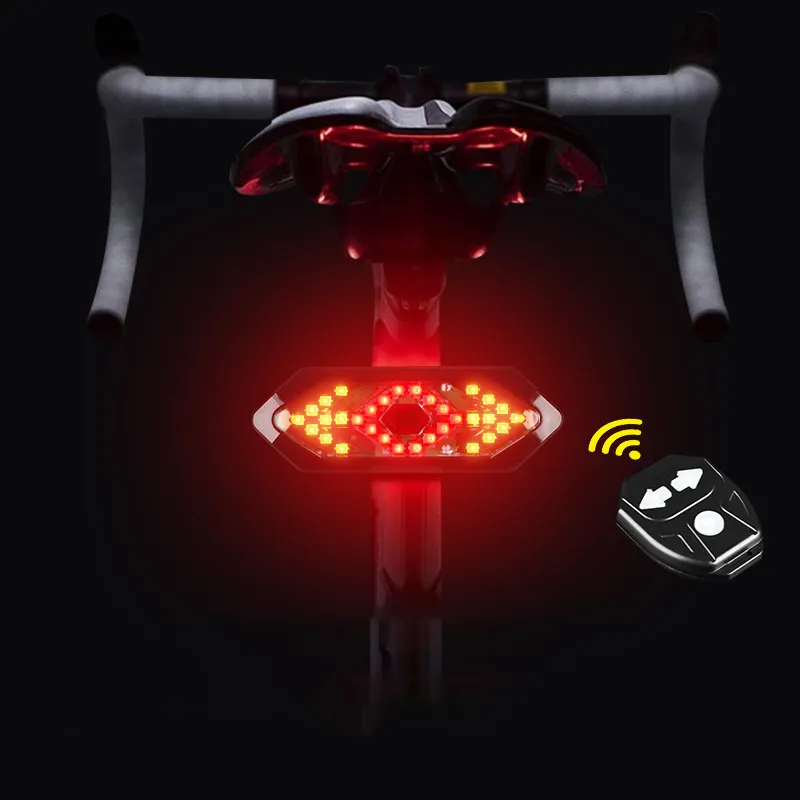
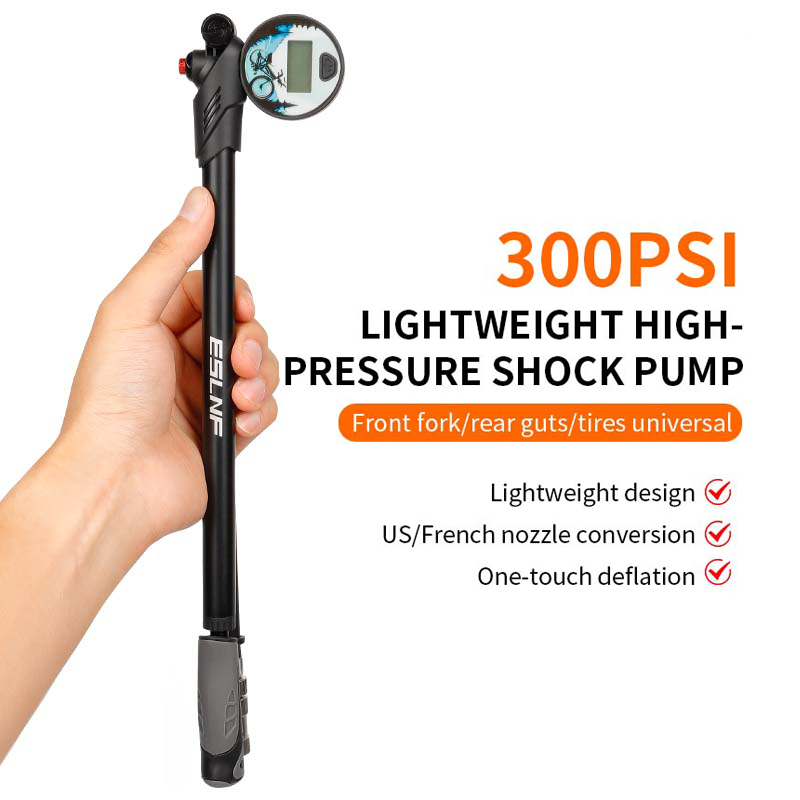
Industrial Whitepaper & Strategic Sourcing
Engineering Rechargeable Illumination Systems for Greater Antwerp's Micro-Mobility Architecture
The cycling ecosystem of Antwerp (Antwerpen) stands among the most sophisticated multi-modal transportation systems in Northwestern Europe. Anchored by the expansive Fietsostrade (F1 connecting Antwerp directly to Mechelen and Brussels, alongside the F11 reaching toward Lier), the city experiences rigorous, high-density bicycle traffic year-round. Commuters navigating along the Scheldt Quays, the Sint-Annatunnel (Underpass), and throughout the port expansion corridors demand optical apparatuses capable of cutting through coastal oceanic fog, unyielding North Sea precipitation, and long seasonal twilight hours. For B2B importers, volume distributors, and institutional buyers servicing this market, importing rechargeable cycling lights is no longer an exercise in standard retail procurement; it demands stringent adherence to luminous flux geometry, cut-off beam standards, lithium-ion thermodynamic safety, and strict European regulatory baselines.
Optical Cut-Off Engineering & StVZO-Aligned Beam Geometry
In urban Flemish settings, symmetric conical beam lenses designed for unpaved cross-country trails create acute horizontal glare, temporarily blinding oncoming cyclists on narrow bidirectional velopads (fietspaden). This optical liability has driven significant regulatory scrutiny under Belgian traffic legislation (Wegcode / Code de la route), which requires bicycle lights to project forward without dazzling opposing traffic. Our export-grade rechargeable LED bike lights utilize precision aluminum vacuum-metalized reflectors and custom-molded PMMA optical total internal reflection (TIR) lenses. This dual-zone beam architecture creates a razor-sharp horizontal cut-off line (comparable to German K-Mark / StVZO principles), directing 85% of luminous energy downward onto the pavement surface (between 5 and 25 meters ahead of the front tire) while eliminating scatter into the peripheral vision field of pedestrian and vehicular traffic.
Key Technical Insight for Belgian Municipal Fleets
Antwerp's regional humidity frequently exceeds 85% during winter months, coupled with micro-saline ocean air drifting inland from the North Sea via the Scheldt Estuary. Standard polycarbonate housing assemblies suffer internal micro-condensation and galvanic trace corrosion. Kenus lights feature CNC-machined 6063 aerospace aluminum heat-sink casings finished with Level III hard-anodized oxidation, delivering salt-spray endurance beyond 96 hours and continuous thermal dissipation at continuous 1,000–3,250 lumen operation.
BMS Redundancy & Cold-Weather Lithium Chemistries
A critical failure mode experienced by low-tier bicycle electronics operating in Northern Europe is sub-zero voltage drop. Between November and March, ambient cycling conditions in the Flanders basin fluctuate between -2°C and 6°C. Conventional lithium-ion cells lose up to 45% of nominal capacity due to internal electrolytic impedance under these regimes. As an ISO-guided manufacturer, Kenus integrates Grade-A high-density ternary lithium cells (18650 and 21700 form factors) equipped with custom Battery Management System (BMS) controllers. These microcontrollers incorporate low-temperature hysteresis curves, overcharge cut-offs, short-circuit protection, and low-voltage cutoff parameters. Charging infrastructure is streamlined via standard Type-C inputs protected by molded silicone gaskets rated to IP64 and IP67 ingress standards, allowing trouble-free commuter cycling through sudden downpours and muddy gravel detours.
Multi-Function Integration: Turn Signals, Radar Alerting & Smart Sensing
With the exponential expansion of e-bikes, speed pedelecs (capable of 45 km/h), and heavy front-loading cargo bicycles (bakfietsen) servicing urban logistics in Antwerp’s low-emission zones (LEZ), standard static lights are insufficient. We engineer smart rear warning assemblies incorporating 2.4GHz wireless remote turn indicators, acoustic 120-decibel warning horns, and high-frequency light-sensing modules. When rapid deceleration is detected via integrated three-axis accelerometer sensors, our lights switch into a high-visibility emergency strobe pattern, providing critical reactive braking distances for following cyclists within fast-moving peloton lines.
Regional Market Intelligence
Emerging Sourcing Dynamics in the Antwerp B2B Micro-Mobility Landscape
Strategic product positioning aligned with commercial adoption across Flanders, municipal leasing tenders, and freight hubs.
Speed Pedelec (45 km/h) & E-Bike Surges
Commuting along intercity cycle freeways has created unprecedented demand for lighting systems outputting upwards of 1,500 to 2,500 continuous lumens. Commuters traveling at elevated speeds require minimum forward visibility distances of 40 meters without risking peripheral disorientation, increasing the uptake of multi-diode handlebar mounted spotlights.
Urban Cargo Logistics & Dress Guards
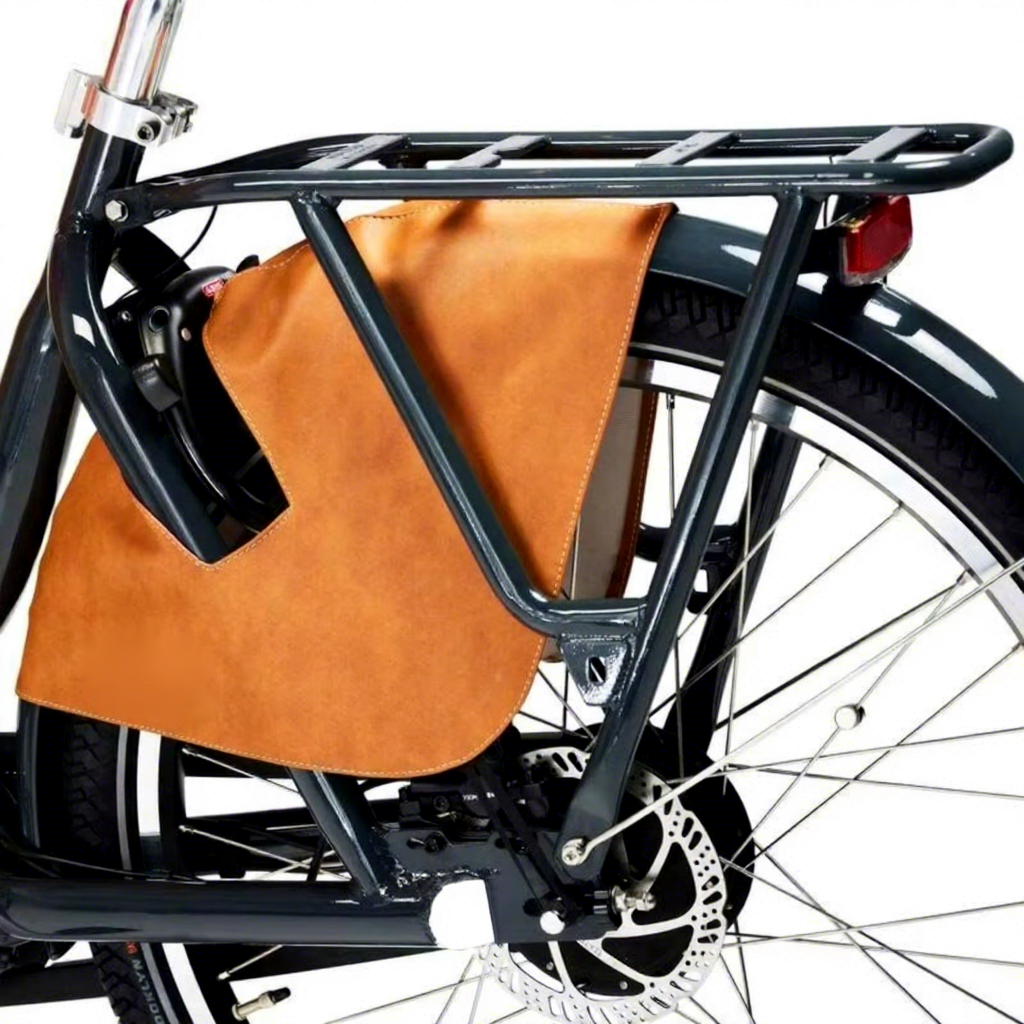
With Antwerp's strict Low Emission Zone enforcement around Het Eilandje and the Historic Center, three-wheeled and longtail cargo bikes dominate last-mile logistics. Fleet operators require custom-molded durable dress guards (skirt guards), dual-mount wide-spread taillights, and vibration-proof handlebar accessories that survive daily commercial utilization over Belgian cobblestones.
Port of Antwerp Consolidated Freight Hubs
Importers leverage Antwerp's deepwater multimodal terminals (DP World / PSA terminals) for optimized container clearing. Our export facility coordinates full FCL container drops and specialized palletized LCL consignments, cutting European transit times and reducing domestic secondary distribution costs across Benelux regional distribution hubs.
Factory Credentials & Manufacturing Rigor
Why Institutional Sourcing Agents Partner with Kenus
Audited manufacturing floor in Jinhua, Zhejiang, backed by internationally documented testing and complete quality transparency.
Audited Onsite by TÜV Rheinland
Kenus Intelligent Technology operates a lean, high-precision assembly and metal fabrication facility. Unlike standard brokers, our in-house capabilities encompass tube reduction, precision machine drilling, automated laser-marking, and multi-stage testing rigs. Every batch of bicycle lighting leaving our facility undergoes photometric bench analysis, continuous burn-in charging evaluations, and waterproof chamber verification.
-
CE Certified
Headlight Direct ComplianceRegistration SIT230614230201E (Valid to 2027)
-
RoHS 2.0
Hazardous Substance EliminationDocumented via SIT240417230101R & SIT24041230101R
-
EMC Directives
Electromagnetic Immunity & Non-InterferenceInspection Report SIT250212230201ER — Safe for E-Bike Systems
-
Rapid Prototyping
In-House 3D Printing & ToolingCustom tooling development for brackets, saddles, and enclosures
OEM / ODM Consolidation Architecture
Belgian retailers maximize inventory return by consolidating six accessory lines in a single shipping container:
#2 Ranked Bicycle Pedals
High-Lumen USB Headlights
3D Carbon Honeycomb Saddles
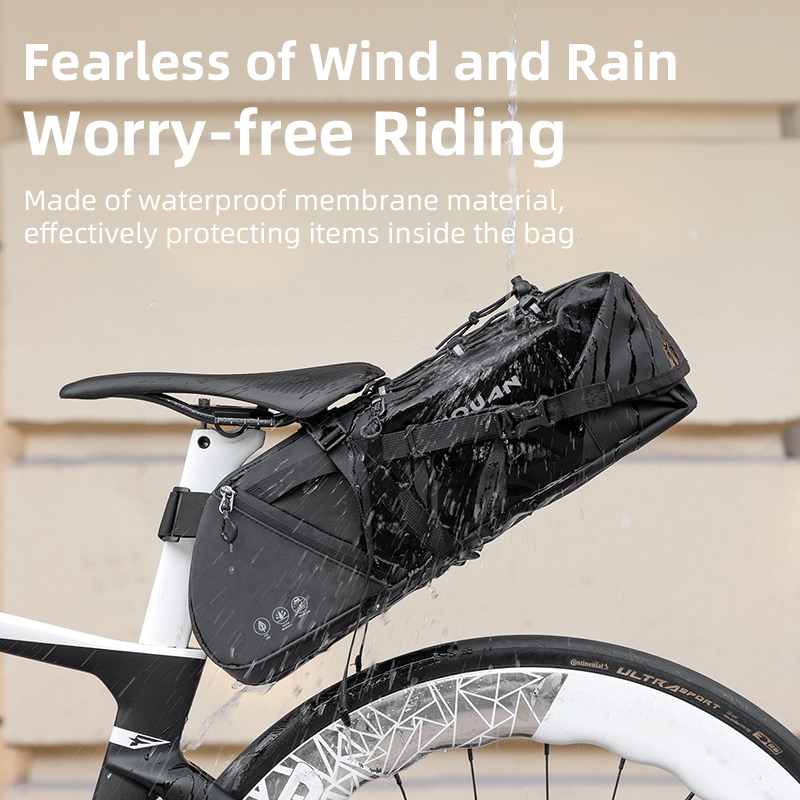
Waterproof Bikepacking Packs
Hydraulic Disc Brake Hardware
Folding Aluminum Workstands
Buyer Due Diligence
Frequently Asked Sourcing Questions: Antwerp & Flanders
Clear answers regarding regulatory conformance, minimum volumes, port dispatch, and custom engineering.
Do Kenus rechargeable bicycle lights comply with Belgian and EU road traffic safety standards?
Yes. All our rechargeable lighting collections engineered for the European continent carry valid CE certification (Directive 2014/30/EU), RoHS 2.0 material verification, and detailed EMC (Electromagnetic Compatibility) compliance reports (Report No. SIT250212230201ER). This ensures the units do not emit electromagnetic interference that could disrupt e-bike digital consoles, GPS units, or cardiac monitors. Furthermore, our optical cut-off beam models satisfy local anti-dazzle mandates defined by the Belgian highway code (Code de la route / Wegcode).
What are the typical sea freight lead times and terms for deliveries into the Port of Antwerp?
Production cycles for standard OEM orders range between 20 to 35 calendar days following pre-production sample sign-off. Maritime dispatch is typically arranged via Ningbo or Shanghai port terminals with direct liner voyages arriving at the Port of Antwerp (Haven van Antwerpen) in approximately 28 to 35 days. We quote standard Incoterms including FOB Ningbo/Shanghai, CIF Antwerp, and DDP for qualified corporate buyers handling centralized logistics in Flanders.
Can our brand order low minimum trial quantities (MOQ) before committing to a full container load?
Yes. For established retail brands, e-bike assemblers, and procurement syndicates, we support small-batch trial evaluation. Standard factory inventory in generic neutral packaging can be sampled from 2 to 50 pieces. Custom private-label laser-engraved light branding and custom retail color-box packaging typically require a low entry threshold starting at 500 units per SKU, allowing distributors to test consumer response across Belgian bike shops without extensive capital exposure.
How do your products handle cold-weather operation and rain common in the Belgian climate?
Our products are engineered for marine and northern temperate weather regimes. Casings utilize die-cast or CNC 6063 aluminum combined with ultrasonically welded impact-resistant polymers. Silicone gaskets ensure an IP64 to IP67 sealing baseline. Internal lithium battery packs use specialized low-temperature electrolyte blends that preserve runtime efficiency even during typical Belgian winters with temperatures oscillating around 0°C to 5°C.
What OEM/ODM customization capabilities are available for custom handlebar or frame interfaces?
We provide complete turnkey customization services. With in-house CAD/SolidWorks engineering and rapid 3D printing equipment on our factory floor, we can develop custom injection-molded bracketry to fit oversized 35mm mountain bike handlebars, integrated aerodynamic road bike stems, or heavy-duty square tubing found on cargo bicycles within 14 working days prior to final steel tooling.
Establish a Direct Factory Supply Agreement for the Belgian Market
Eliminate intermediary trading margins. Access high-output, certified rechargeable bike lights and complete cycling components engineered to European distributor specifications directly from Kenus Intelligent Technology.