Export-Ready Waterproof Bags & High-Velocity Gear
Verified production line items engineered to withstand coastal rain, regional trail grit, and rigorous Melbourne urban commuting cycles.
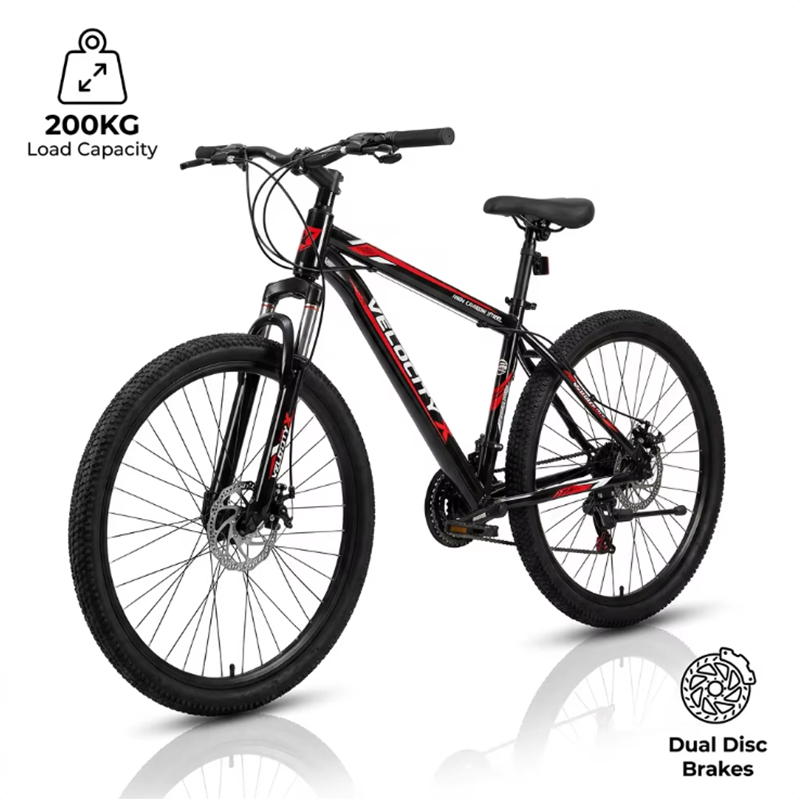
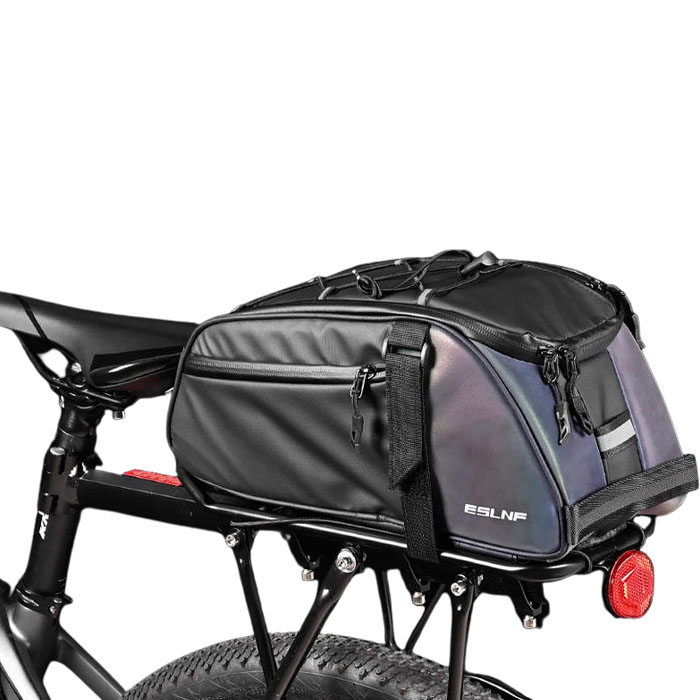
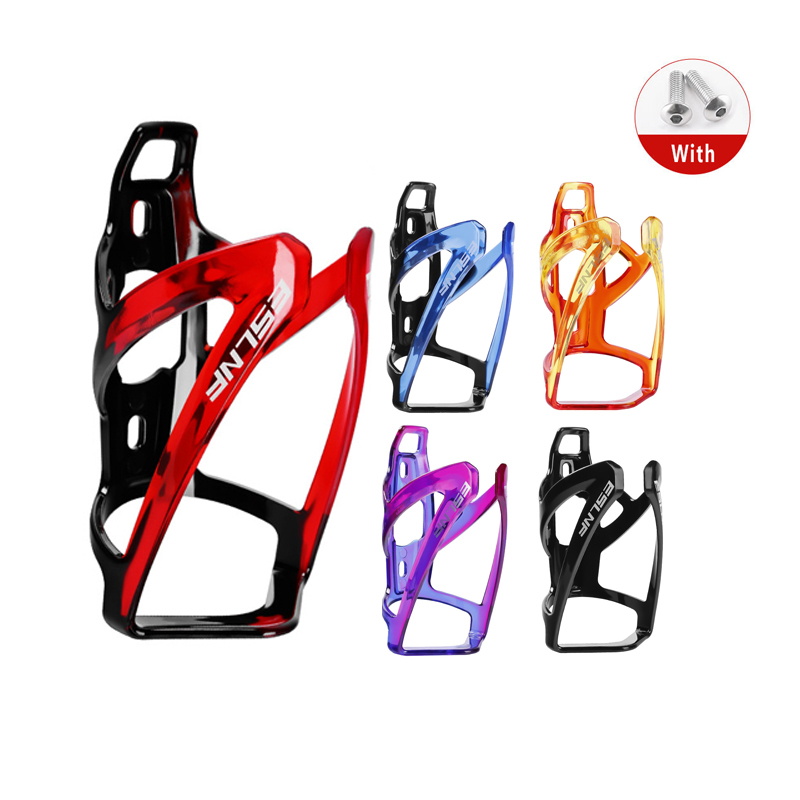
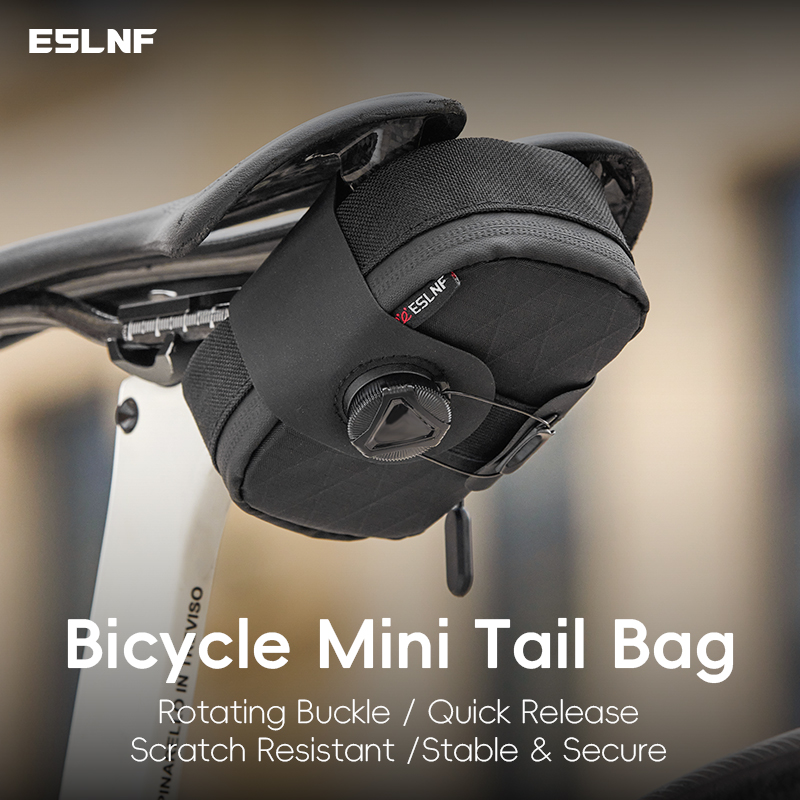
Victoria's Microclimatic Extremes & Bikepacking Evolution
Why standard stitched bags consistently fail in Southeastern Australia, and what procurement directors must specify for durability.
The "Four Seasons in One Day" Phenomenon
The state of Victoria, Australia—anchored by the Greater Melbourne metropolitan belt and extending across the Yarra Valley, the Dandenong Ranges, and the rugged Otway Coast along the Great Ocean Road—imposes an exceptionally demanding operating environment for cycling equipment. Unlike uniform Mediterranean climates, Victorian weather systems present sudden 15°C temperature drops coupled with torrential Antarctic squalls and localized gravel dust.
For high-volume bike bag retailers throughout Melbourne, Geelong, Bendigo, and Ballarat, standard needle-stitched polyester bags lined with basic internal PU coatings demonstrate a swift failure rate within 6 to 9 months. Under heavy precipitation, seam needle punctures act as micro-capillaries, drawing rainwater into dry compartments via capillary suction and damaging laptops, sensitive electronics, and cold-weather clothing.
Modern procurement strategies for the Victorian market require Radio-Frequency (RF) High-Frequency Ultrasonic Welding over traditional sewing. By fusing polyurethane (TPU) or heavy-duty 500D–840D nylon laminates at a molecular level, the resulting seam possesses zero needle perforations, completely neutralizing water penetration under torrential Melbourne downpours.
E-Commuter & Long-Haul Gravel Expansion
Victoria remains Australia’s premier cycling state, bolstered by intensive infrastructure investments including the Strategic Cycling Corridors (SCC), the Capital City Trail, the Upfield corridor, and regional rail trail networks such as the Murray to Mountains and Great Southern Rail Trails. Concurrently, the exponential surge in utility E-bikes and premium gravel bikes has fundamentally shifted baggage capacity requirements.
Commuters navigating daily rides along Port Phillip Bay face high wind velocities combined with airborne saline mist. Saltwater corrosion swiftly degrades low-grade metal zippers, nylon-coated zinc sliders, and untreated steel attachment hooks. Premium B2B importers specify POM (Polyoxymethylene) non-metallic cam-locking hardware, airtight roll-top closures, and stainless-steel internal rack bracing.
Furthermore, gravel bikepackers exploring the Victorian Alpine National Park demand vibration-resistant mounting systems. When traversed over hours of corrugated unpaved roads, poorly anchored bags experience mounting bracket fatigue and lateral swing. Reinforced nylon-66 composite chassis plates with multi-position strap ladders ensure panniers and saddle bags remain anchored without shearing or frame abrading.
Engineered for Victoria's High-Stress Cycling Corridors
Targeted product designs tailored to the exact riding patterns of local Victorian cyclists.
Melbourne CBD & Yarra River Trail Commuting
Daily multimodal journeys demanding quick-release roll-top panniers with integrated padded 15-inch laptop sleeves. Must feature high-candela 3M Scotchlite reflective graphics for low-visibility winter commutes along wet riverside tracks.
Great Ocean Road & Coastal Touring
Exposure to relentless oceanic mist and gale-force gusts. Requires airtight roll-down dry bags constructed from 0.5mm TPU laminates, featuring IPX7 immersion ratings and marine-grade anti-corrosive plastic tension locks.
High Country Gravel & Corrugated Backroads
From Bright through Mount Beauty, bags encounter heavy mud splatter and violent high-frequency washboard vibrations. Demands triple-welded frame packs, heavy-duty abrasion-resistant hypalon contact pads, and rigid internal PE liners.
Urban Last-Mile E-Cargo Delivery
Heavy-duty courier operations across Richmond, Fitzroy, and Southbank. Demands 45L+ dual cargo trunk panniers featuring oil-resistant PVC tarpaulin exteriors, heavy-load base plates, and rapid universal rack latching systems.
Top 10 Waterproof Bike Bag Manufacturers & Exporters Benchmark (Oceania Market)
Comparative technical analysis evaluating waterproofing architecture, QA certification, MOQ flexibility, and export capability to the Port of Melbourne.
| Manufacturer Profile | Core Technology | Waterproofing Rating | Testing & Compliance | OEM MOQ | Victoria Market Fit |
|---|---|---|---|---|---|
| Kenus Intelligent Technology | High-Frequency RF Welding / TPU / Tube Processing | IPX6 / IPX7 (25,000mm) | TÜV Rheinland, CE, RoHS, EMC, PSE | 100 - 300 pcs | Optimal Benchmark |
| Zhejiang Giant Tech Co. | PVC Tarpaulin Hot-Air Sealing | IPX4 / IPX5 (10,000mm) | ISO9001, BSCI | 1,000 pcs | Standard Utility / Bulk |
| Ningbo Apex Outdoors | Heat-Taped Polyester Seams | Water-Resistant (5,000mm) | REACH, Prop 65 | 500 pcs | Budget Urban Commute |
| Guangdong Master Luggage | Ultrasonic Sealing + Waterproof Zippers | IPX6 (15,000mm) | ISO14001, SEDEX | 1,000 pcs | Performance Gravel / Mid-Tier |
| Xiamen Overland Gear | 420D Nylon TPU Double-Coated | IPX7 Submersible | ISO9001, OEKO-TEX | 500 pcs | Premium Touring / Bikepacking |
| Jiangsu Pro-Ride Manufacturing | Stitched Cordura with Rain Covers | Non-Welded (Rainfly Dependent) | Internal QA Standards | 300 pcs | Traditional Commuter Bags |
| Dongguan Precision Sports | EVA Molded Hard-Shell Welded Bags | IPX5 Weatherproof | CE, RoHS Certified | 500 pcs | Handlebar & Phone Cockpit Packs |
| Jinhua Velocity Accessories | High-Density Nylon + Seamless Pressing | IPX6 (18,000mm) | TUV Assessed Partner | 200 pcs | Flexible Multi-Category Importers |
| Fujian Coastal Equipment | 840D Heavy PVC Tarpaulin | IPX6 Heavy Spray | ISO9001 Export Audited | 1,000 pcs | Commercial Courier / E-Cargo |
| Suzhou Aero Cycling Tech | Ultra-light Dyneema / TPU Heat Press | IPX6 (20,000mm) | ISO9001, Carbon Audited | 500 pcs | Ultra-Distance Racing Series |
Engineered Precision: Kenus Intelligent Technology
Headquartered in Jinhua, Zhejiang—one of China’s most concentrated hubs for precision industrial hardware, technical textiles, and seamless logistics—Kenus Intelligent Technology Co., Ltd. operates as a verified direct manufacturer and integrated export partner. Assessed onsite by TÜV Rheinland, our facility combines automated RF welding, in-house tube bending, robotic laser marking, and advanced rapid 3D prototyping.
Unlike conventional middle-tier trading agencies, Kenus controls both mechanical hardware engineering and technical polymer fabrication under one roof. Whether Victorian importers require custom-molded anti-vibration cam-hooks for pannier racks, 3D printed carbon lattice components, or high-lumens integrated lighting units, our production lines deliver rapid turnaround times from initial CAD rendering to final export container dispatch.
- TÜV Rheinland Onsite Inspected Facilities
- CE, RoHS, EMC & PSE Certified Lighting
- In-House Rapid 3D Prototyping & Mold Tooling
- Multi-Stage Hydrostatic Pressure & Salt-Spray QA
- Direct Ningbo/Shanghai Port Shipping Integration
- Agile Custom OEM Branding from 100-300 Pcs
Frequently Asked Questions by Australian & Victorian Buyers
Practical guidance addressing customs, freight logistics, environmental standards, and technical specifications.
What import tariffs and documentation apply when importing bike bags to Melbourne?
Under the China-Australia Free Trade Agreement (ChAFTA), preferential zero-tariff or reduced-duty treatment applies to qualifying bicycle accessories imported under HS codes 4202.92 (bags with outer surface of plastic sheet or textile) and 8714.99 (parts and accessories of bicycles). Importers must secure a valid ChAFTA Certificate of Origin (COO) from the exporter to claim duty exemptions at the Port of Melbourne, while standard Australian GST (10%) applies at customs clearance.
Why choose TPU laminates over traditional PVC for the Australian market?
While PVC tarpaulin offers cost advantages, Thermoplastic Polyurethane (TPU) provides critical operational benefits under Australia's intense UV radiation index. PVC contains plasticizers that leach over time under Victorian summer heat, leading to embrittlement, cracking, and eventual seam delamination. TPU is intrinsically UV-stable, delivers 30% higher tear resistance at a significantly lower gram-weight, remains fully flexible at sub-zero alpine temperatures, and aligns with modern eco-conscious consumer standards.
How do airtight roll-top closures compare with water-repellent zippers?
Water-resistant coil zippers (such as generic polyurethane-laminated zippers) are prone to water ingress when exposed to prolonged horizontal squalls along coastal roads or river valleys. Roll-top closures folded three times create a mechanical labyrinth barrier that withstands continuous hydrostatic spray without mechanical failure points. For premium bags where quick zip access is mandatory, our factory integrates genuine IPX7-rated airtight teeth-extrusion zippers tested up to 0.3 bar pressure.
What are the typical sea freight transit windows from Jinhua to Victoria?
Shipments origin from our Jinhua, Zhejiang manufacturing facility routed through Ningbo-Zhoushan or Shanghai terminals typically reach the Port of Melbourne in approximately 14 to 21 sea-transit days on direct express rotations. Combined with our agile factory production lead times of 25 to 35 days for fully customized OEM orders, Victorian distributors can reliably plan their spring-summer retail stocking cycles well in advance of peak purchasing periods.
Can we consolidate bike bags with lighting, tools, and saddles in one shipment?
Yes. One of the principal advantages of partnering with Kenus is our cross-category consolidation capability. Sourcing teams can merge waterproof panniers, high-lumen CE-certified bicycle headlights, 3D printed carbon saddles, and workshop repair stands into a single FCL (Full Container Load) or shared LCL shipment. This drastically lowers clearance processing overheads, simplifies bill-of-lading handling, and prevents single-category inventory bottlenecks.
What custom private-label branding options are supported for local brands?
We support high-definition reflective silk-screen printing, debossed TPU welded patches, laser-etched metal hardware, and bespoke woven labels. For custom technical fabrics and unique pantone dye-lot matching, minimum order quantities generally start at 300 to 500 units per colorway. Sampling cycles typically require 5 to 7 business days utilizing our in-house 3D prototyping and automated cutting tables.
Build Your Brand's Next-Generation Cycling Line
Consult directly with our engineering team to review technical fabric swatches, RF welding specifications, and custom tooling schedules. Fast-track your procurement with certified factory pricing and dedicated Oceania export support.