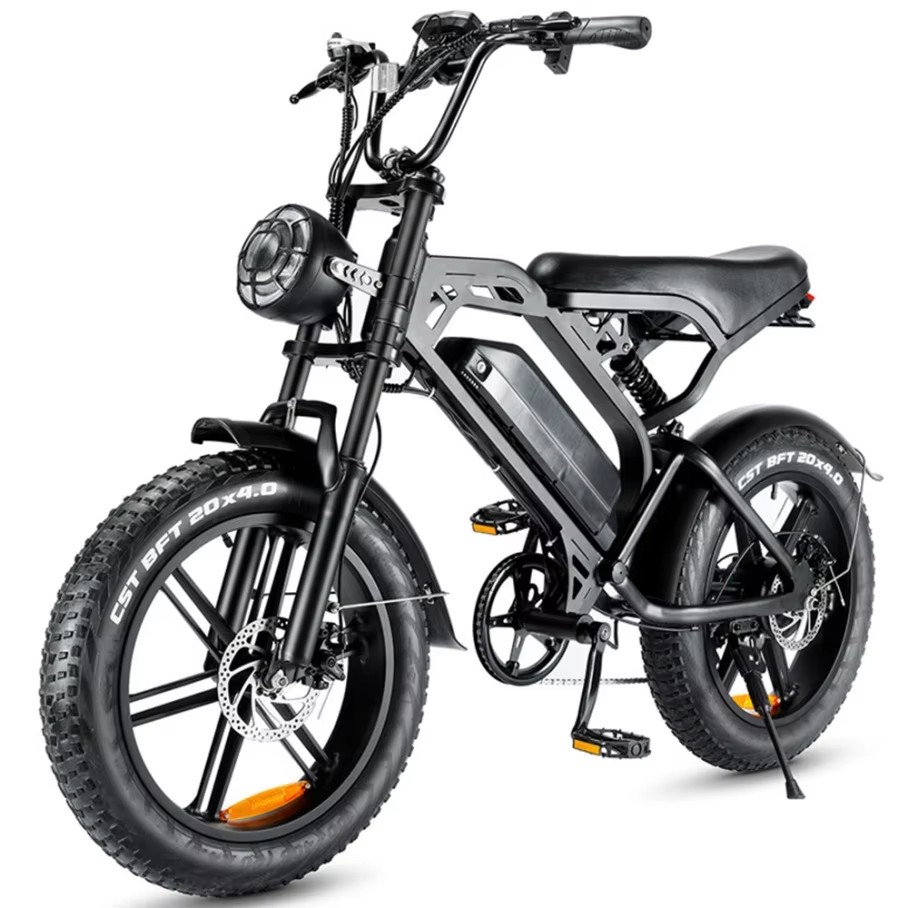
ESLNF EU V20 48V 250W–1000W Full Suspension Electric Fatbike
- 48V 15Ah Battery, Hydraulic Brakes
- High Torque for Steep Inclines
Engineered to endure the rigorous conditions of Latin American topography and urban commutes. Seamless integration for importers, brand licensors, and institutional wholesale tenders.
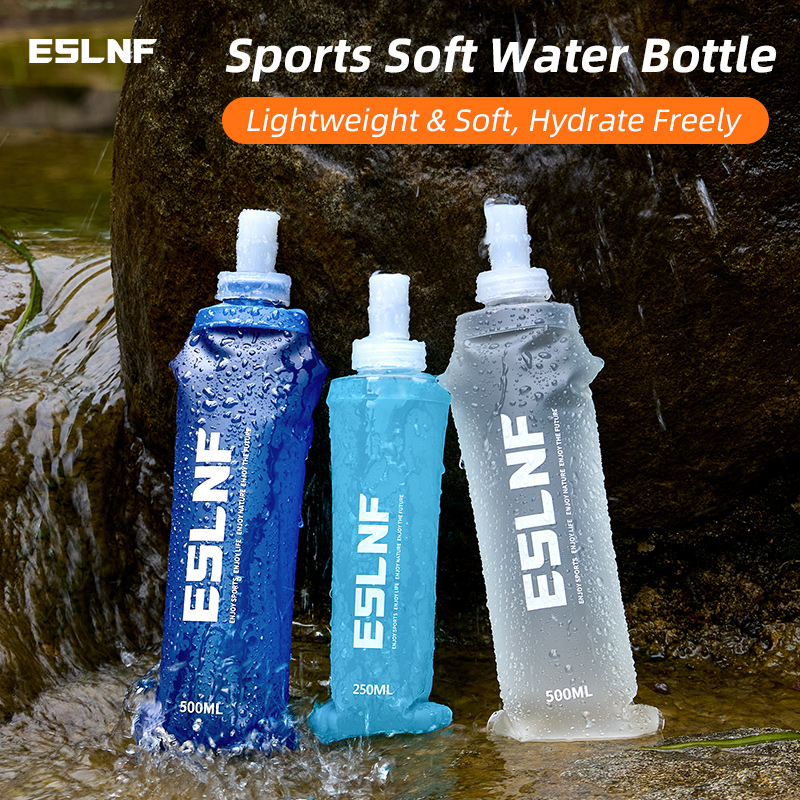
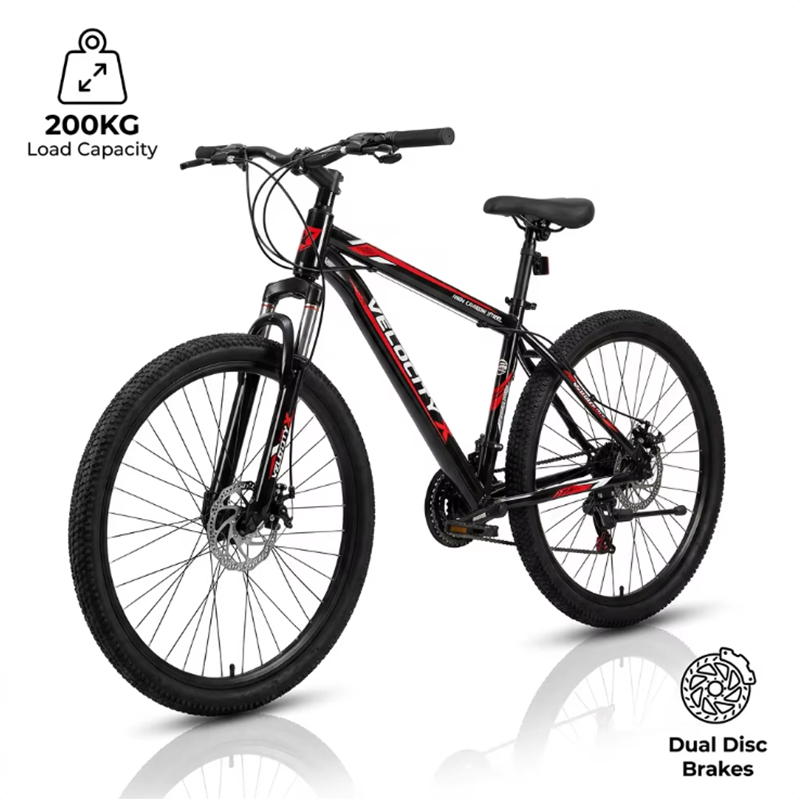
Strategic product engineering tailored to the complex micro-mobility dynamics, elevation shifts, and climate stresses across Mixco's urban corridors.
Mixco, located immediately west of Guatemala City, represents one of Central America's most dynamic yet topographically demanding transit zones. Characterized by profound elevation gradients—transitioning sharply from deep ravines (barrancos) to steep ridge corridors such as the Calzada Rooseveldt, Bulevar San Cristóbal, and the arterial arteries connecting Ciudad San Cristóbal to Zone 11 and Antigua Guatemala—the daily commute imposes severe physical demands on cycling and micro-mobility protective gear.
Furthermore, Mixco experiences extreme seasonal environmental swings. The prolonged rainy season (invierno) brings torrential afternoon downpours paired with high humidity, followed by dense dry periods characterized by intense UV radiation and airborne volcanic/road dust. Commercial bicycle helmets and associated commuting peripherals deployed in this market must address three local technical requirements:
Deep internal air channels optimized via CFD (Computational Fluid Dynamics) guarantee continuous airflow during slow climbs up San Cristóbal hills, while thermoformed quick-drying antimicrobial liners inhibit bacterial growth in tropical humidity.
Mixco sits at an altitude ranging from 1,600 to 1,800+ meters above sea level, resulting in elevated solar radiation index. In-mold fusing processes incorporate UV-inhibiting polymers to prevent shell embrittlement, delamination, or color degradation over multi-year commercial lifecycles.
Given limited public street lighting along peripheral connective roads in Mixco's suburbs, our exported helmets feature integrated rear LED safety beacons with wide peripheral visibility (compliant with CE/EMC) paired with retroreflective 3M decals for passive nighttime recognition.
Analyzing regulatory movements, fleet electrification, and retail channel shifts impacting wholesale procurement in the metropolitan department.
The municipal dynamics of Mixco are intrinsically tied to the economic matrix of the Metropolitan Area of Guatemala. Severe motor vehicle gridlock along the CA-1 Occidente and arterial bridges has catalyzed a transformative shift toward two-wheeled transit. While historically dominated by small-displacement internal combustion motorcycles, the past three years have seen unprecedented compound annual growth in hybrid commuting setups: electric bicycles (such as fat-tire utility bikes), electric scooters, and traditional pedal bicycles for last-mile delivery services.
This rapid shift is fundamentally reshaping protective equipment procurement across three distinct vectors:
With the proliferation of 500W–1000W electric bikes capable of sustaining 45 km/h on urban straightaways, traditional EN 1078 or CPSC bicycle helmet benchmarks are no longer sufficient for institutional distributors. Importers serving Mixco are pivoting toward high-velocity speed pedelec standards (NTA 8776), demanding 40% greater temple and occipital energy absorption capacity from verified OEM suppliers.
The Municipal Transit Police of Mixco (Emixtra) has steadily increased enforcement of protective gear for two-wheelers navigating arterial boulevards. Commercial courier fleets, app-based delivery aggregators (Pedir, Uber Eats), and private security patrols increasingly mandate certified head protection with verifiable batch test documentation to minimize corporate liability.
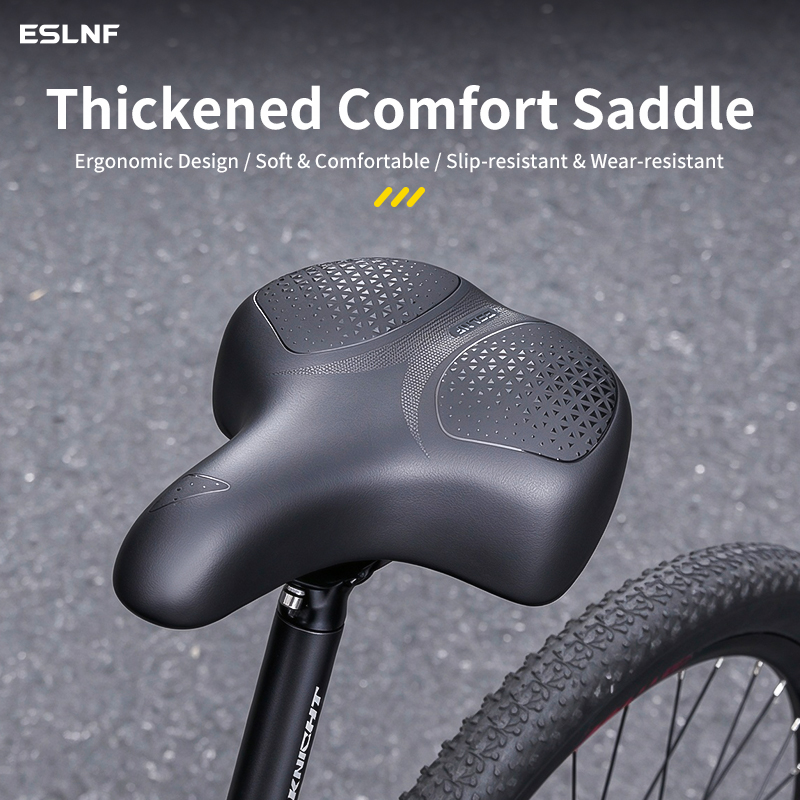
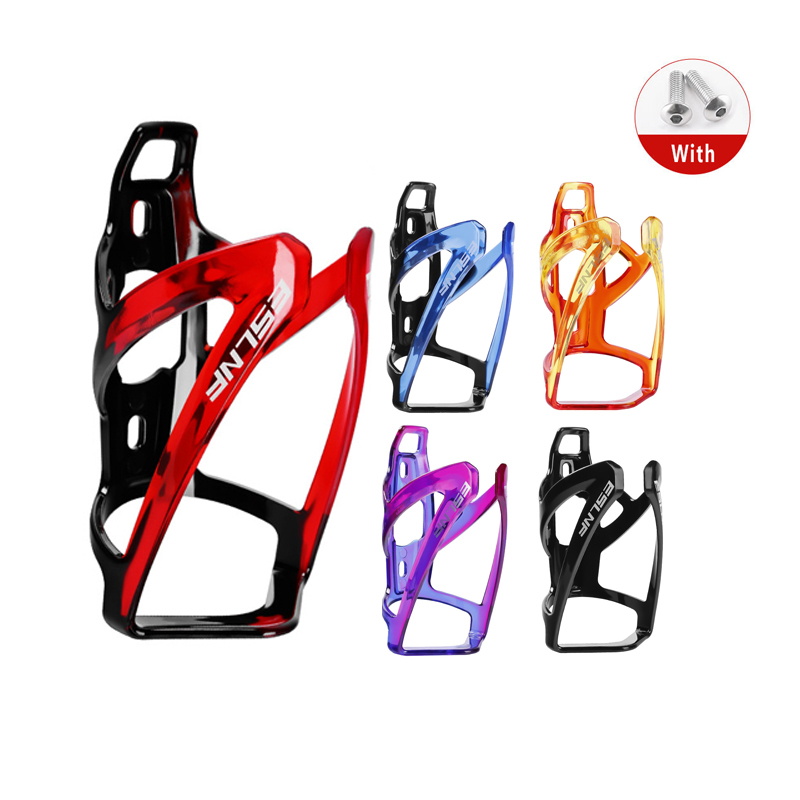
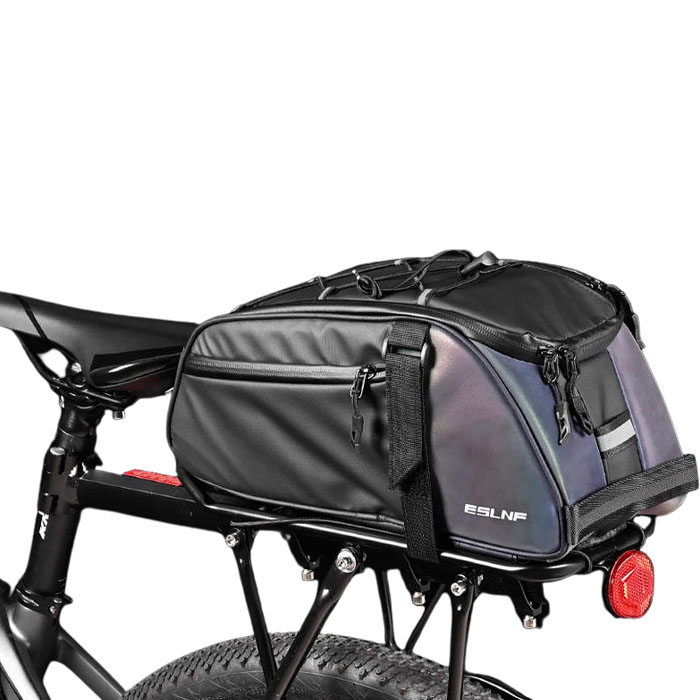
Bicycle dealerships and department retailers in Guatemala (Distribuidores y Almacenes) no longer order isolated SKUs. Profitable retail execution demands integrated ecosystem bundling: a safety helmet paired with USB high-lumen headlights, anti-theft disc locks, waterproof cargo panniers, and ergonomic shock-absorbing saddles under a unified private brand identity.
Third-party audited manufacturing infrastructure located in Jinhua, Zhejiang, China. Purpose-built to eliminate supply chain volatility for Latin American distributors.
Our premises, operational lines, and QA/QC management protocols are audited onsite by TÜV Rheinland. Full inspection reports and 360° factory panos confirm our legitimate manufacturing capability.
Tube reduction, laser marking, robotic precision welding, and CNC tooling are managed in-house. We maintain direct oversight on aluminum wall thickness and structural integrity across all components.
Our engineering team translates client drawings into functional 3D-printed physical prototypes before opening expensive production tooling, cutting private label development cycles by 60%.
Fully documented testing credentials including CE (Headlight No. SIT230614230201E), RoHS (No. SIT240417230101R), PSE Japan, and EMC inspection reports guaranteeing smooth customs clearance in Guatemala (SAT).
Clear, documented answers addressing customs tariff codes, ocean shipping channels, branding lead times, and regional compliance.
Connect with our technical engineering sales desk for factory-direct price sheets, custom OEM branding minimums, and Puerto Quetzal freight estimates.